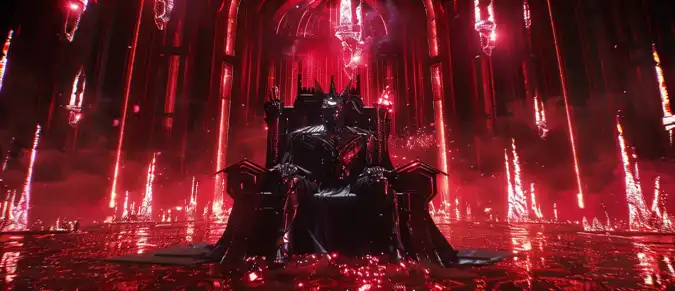

Hodl God is a Web3 game that combines a dynamic PvP shooter with elements of a blockchain economy. The project offers fast-paced battles where reaction time and strategy are crucial, while also integrating NFTs and tokens into the progression system. Unlike many GameFi games, the focus here is on gameplay rather than just earning. As a result, Hodl God creates a balance between entertainment, competition, and digital assets, making it a more sustainable product.
Contents
- Hodl God Concept and Positioning
- Gameplay and Combat Mechanics
- Characters and Progression System
- Hodl God Economy and Tokens
- Project Prospects and Risks
1. Hodl God Concept and Positioning
Hodl God is a hybrid project at the intersection of traditional gaming and Web3. Its core idea is to deliver a полноценный игровый опыт where blockchain serves as an enhancement rather than the foundation. This approach helps attract a broader audience, including users unfamiliar with cryptocurrencies.
Unlike many GameFi projects that prioritize earnings, gameplay is the central element here. Players engage in dynamic matches first and only later interact with the economic system. This reduces the entry barrier and makes the game easier to understand.
The project aims to balance accessibility and depth. Players can start without investment, while more advanced opportunities unlock over time. This gradual engagement improves retention. As a result, Hodl God positions itself as a new-generation Web3 game where blockchain enhances the experience rather than replacing it.
This strategy also helps the project adapt to market changes. Even if interest in crypto games declines, it can remain relevant благодаря качественному геймплею. This increases overall product sustainability. The hybrid model also simplifies scaling the audience, allowing players to gradually explore the economy without pressure.
2. Gameplay and Combat Mechanics
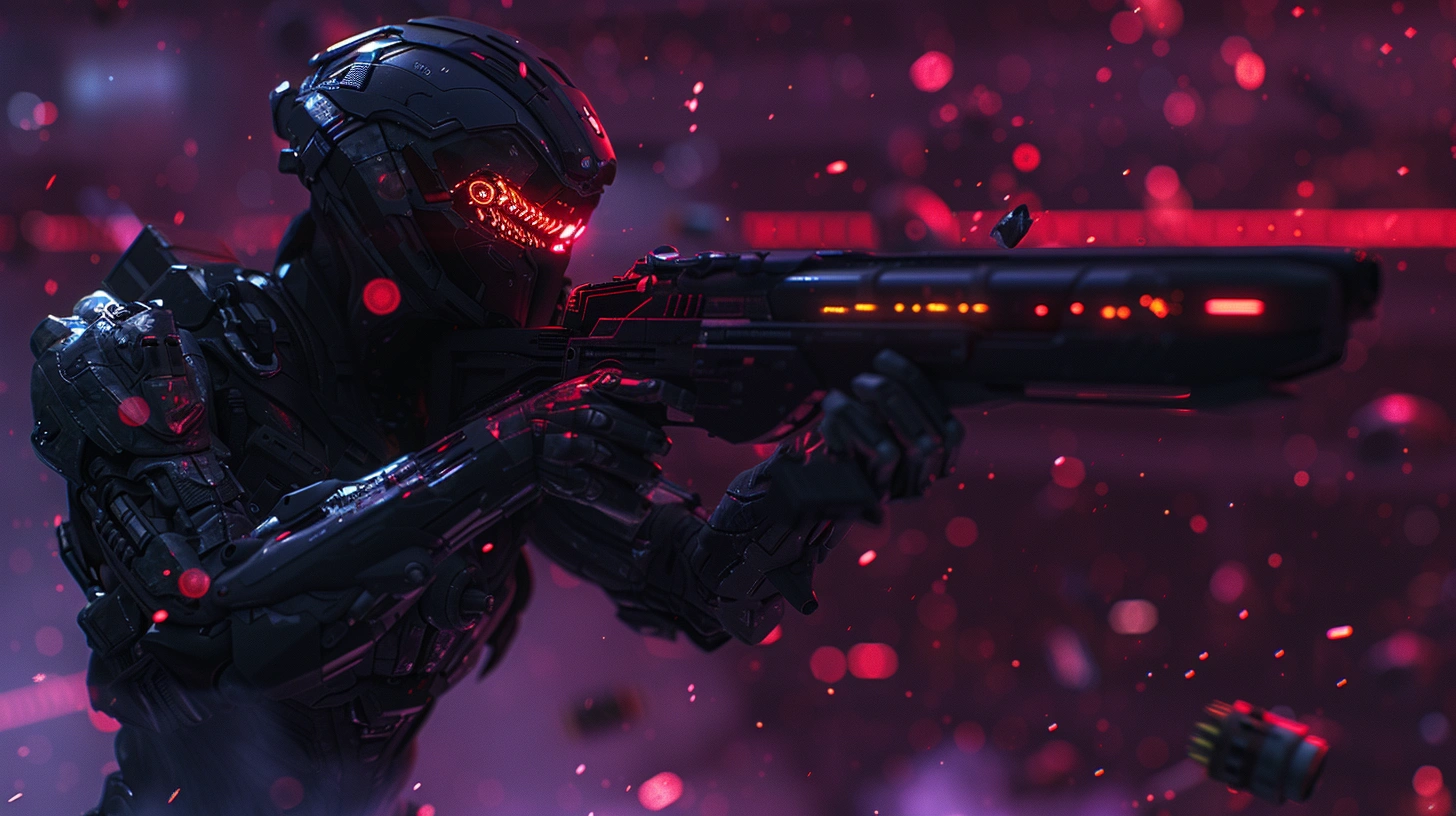
The core of Hodl God consists of fast-paced PvP battles. Players control characters, use weapons and abilities, and aim to defeat opponents in confined arenas. The high tempo makes each match intense and requires constant focus.
The gameplay encourages experimentation and adaptation. Players can change strategies depending on the situation and opponents, making each session unique.
Competitive elements also play a key role. Rankings and matchmaking systems motivate players to improve their skills, fostering an active gaming community.
- fast-paced PvP battles with short matches;
- a variety of weapons and abilities;
- tactical use of the map;
- skill-based outcomes;
- multiple playstyles: aggressive, defensive, hybrid.
Balance between weapons and abilities is crucial. Developers aim to maintain fair conditions for all players, ensuring competitive integrity. The high pace also requires continuous learning, as players analyze their performance and refine strategies, adding depth to the gameplay.
3. Characters and Progression System
The progression system in Hodl God revolves around characters and their equipment. Each hero has unique attributes that influence playstyle, enabling diverse strategies and adaptability in combat.
Progression includes skill upgrades, acquiring new items, and participating in matches. Over time, players strengthen their characters and unlock new opportunities, creating long-term motivation.
NFT elements add another layer of depth, allowing ownership of unique items that impact gameplay. This merges traditional progression systems with Web3 mechanics.
Players can experiment with different equipment combinations, making development flexible and engaging over the long term. Item rarity also affects character performance, introducing a collectible aspect and encouraging players to optimize builds.
This system promotes long-term engagement, as users return to improve their performance and progress further, extending the project’s lifecycle.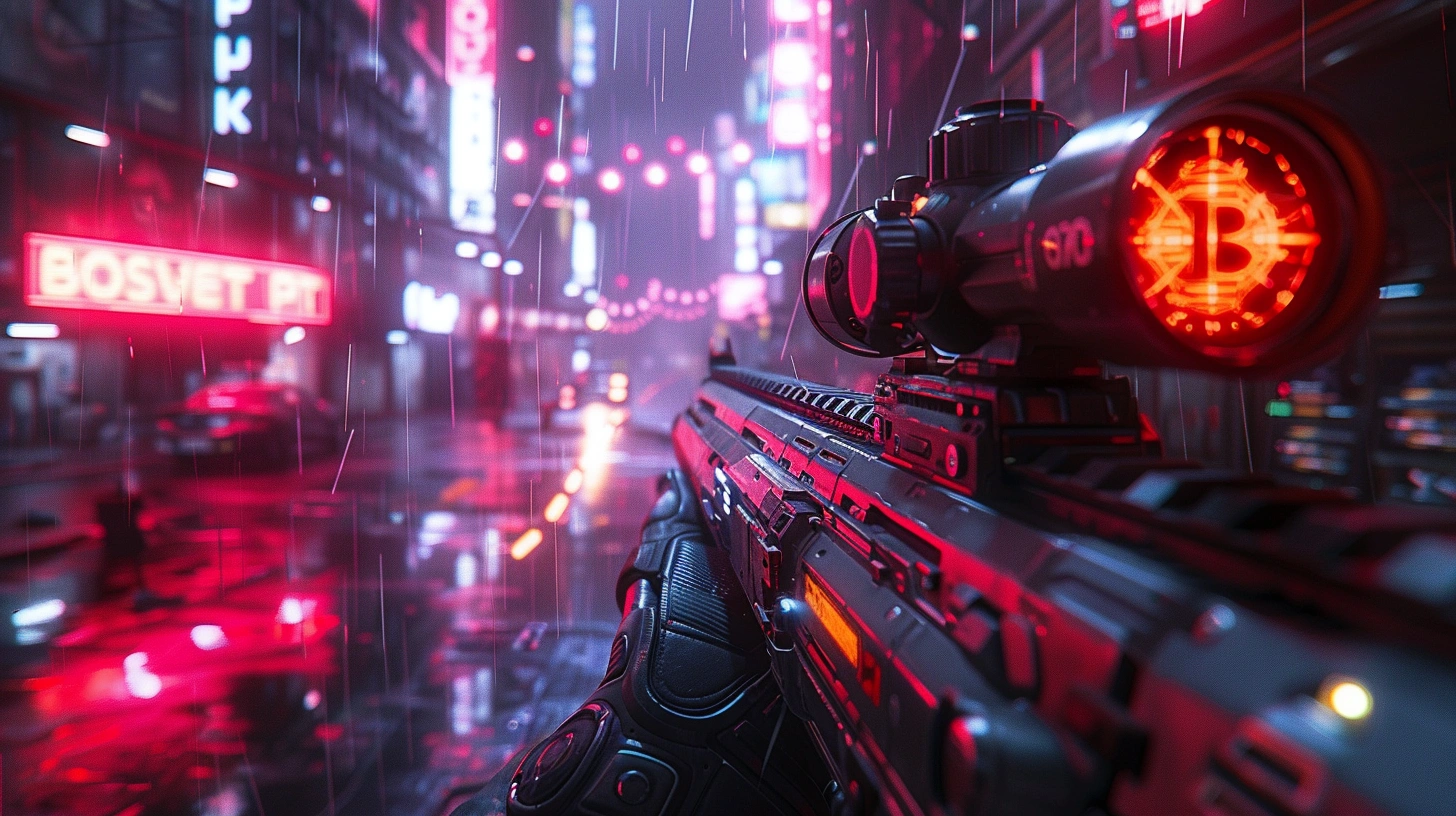
4. Hodl God Economy and Tokens
The Hodl God economy combines in-game resources with blockchain tokens. This approach separates gameplay and financial elements while maintaining balance between them.
This structure makes the economy more flexible. Players can interact with it at different levels, reducing complexity for newcomers. However, maintaining balance is critical—if the economy dominates, player interest in gameplay may decline.
| Token | Purpose | Role |
|---|---|---|
| $HODL | Primary token | Used for operations within the ecosystem |
| In-game currency | Game currency | Used for upgrades and progression |
| NFT | Digital assets | Represent unique items and characters |
Tokens also incentivize player activity, increasing engagement. However, poor economic design can lead to imbalance, so continuous adjustments are necessary for long-term sustainability.
5. Project Prospects and Risks
Hodl God has strong potential due to its combination of dynamic gameplay and Web3 mechanics. As interest in blockchain games grows, demand for such projects may increase, especially with a strong competitive component.
A key strength is its focus on player skill, making the game fairer and less dependent on financial investment. However, the project faces risks, including high competition, challenges of Web3 integration, and dependence on the crypto market.
Maintaining balance between gameplay and the economy is crucial, as disruption can reduce user interest. Ultimately, the success of Hodl God will depend on its ability to sustain engagement and continuously evolve the product.
The project also has the potential to secure a stable position in the GameFi segment. The quality of updates and expansion of game content will play a critical role. The more активно внедряются новые механики и режимы, the higher the player retention, directly impacting long-term ecosystem stability and growth.











