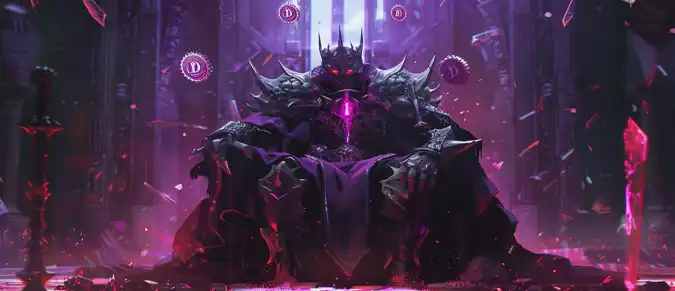

Kingdom Story Heroes is a Web3 game that combines classic RPG elements with blockchain technology. The project offers a familiar character progression system enhanced by NFT assets and an in-game economy. Players collect heroes, participate in battles, and gradually strengthen their teams. At the same time, digital assets hold real value within the ecosystem, creating a deeper gameplay experience.
Contents
- Concept and Structure of Kingdom Story Heroes
- Gameplay and Progression
- Heroes and the Rarity System
- Kingdom Story Heroes Economy and Tokens
- Project Prospects
1. Concept and Structure of Kingdom Story Heroes
Kingdom Story Heroes is designed as a hybrid of a mobile RPG and a Web3 ecosystem. The main focus remains on familiar gameplay, while blockchain technology serves as a supporting layer. Players interact with the game through a user-friendly interface that does not require deep knowledge of crypto technologies. This lowers the entry barrier and makes the project accessible to a wider audience.
The internal structure includes several layers: gameplay, heroes, resources, and tokens. These elements form a unified cycle where every action impacts progression. For example, participating in battles rewards players with resources that can later be used to strengthen characters.
The key idea behind the project is integrating digital ownership without overwhelming the user. NFTs are not treated as isolated elements but as part of the gameplay itself. This creates a more sustainable model compared to projects where the economy dominates the gaming experience. It is also important that the project focuses on gradual progression rather than instant results, helping maintain a healthier long-term balance.
2. Gameplay and Progression
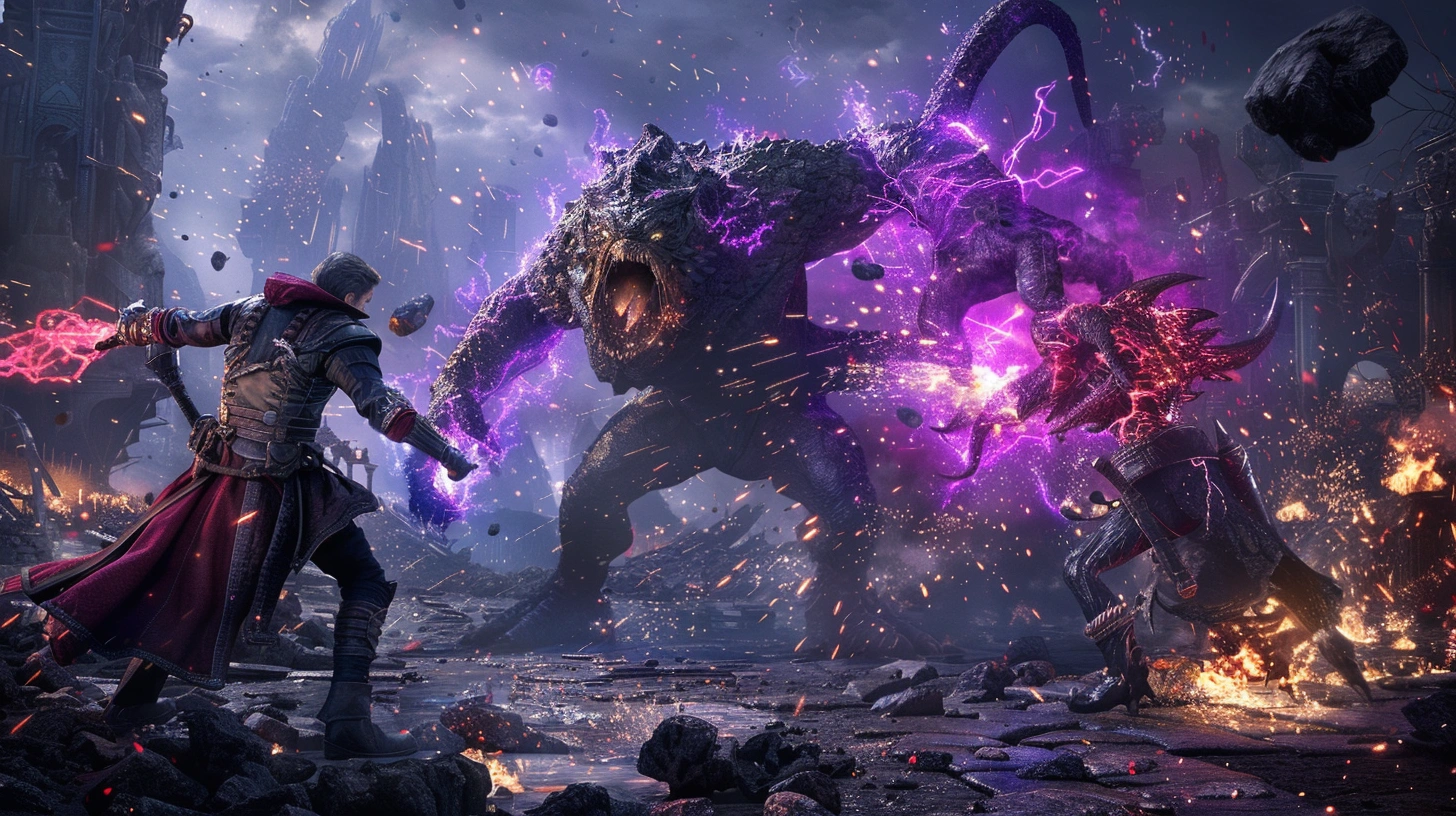
The gameplay of Kingdom Story Heroes is based on team battles where players control squads of characters. Each hero fulfills a specific role, and the outcome of combat depends on the combination of skills and attributes. This creates a need for strategic team building and tactical decision-making.
Character progression is achieved through leveling, equipment upgrades, and unlocking new abilities. Over time, players gain access to more challenging modes that require adapting strategies. This approach keeps gameplay engaging and adds long-term variety. Sessions are designed to combine fast-paced battles with extended progression systems, making the game convenient for regular play.
Balance between heroes also plays an important role in maintaining fair competition. Developers can adjust character stats to keep the meta evolving and prevent single strategies from dominating. As a result, players are encouraged to experiment and continuously adapt their teams.
3. Heroes and the Rarity System
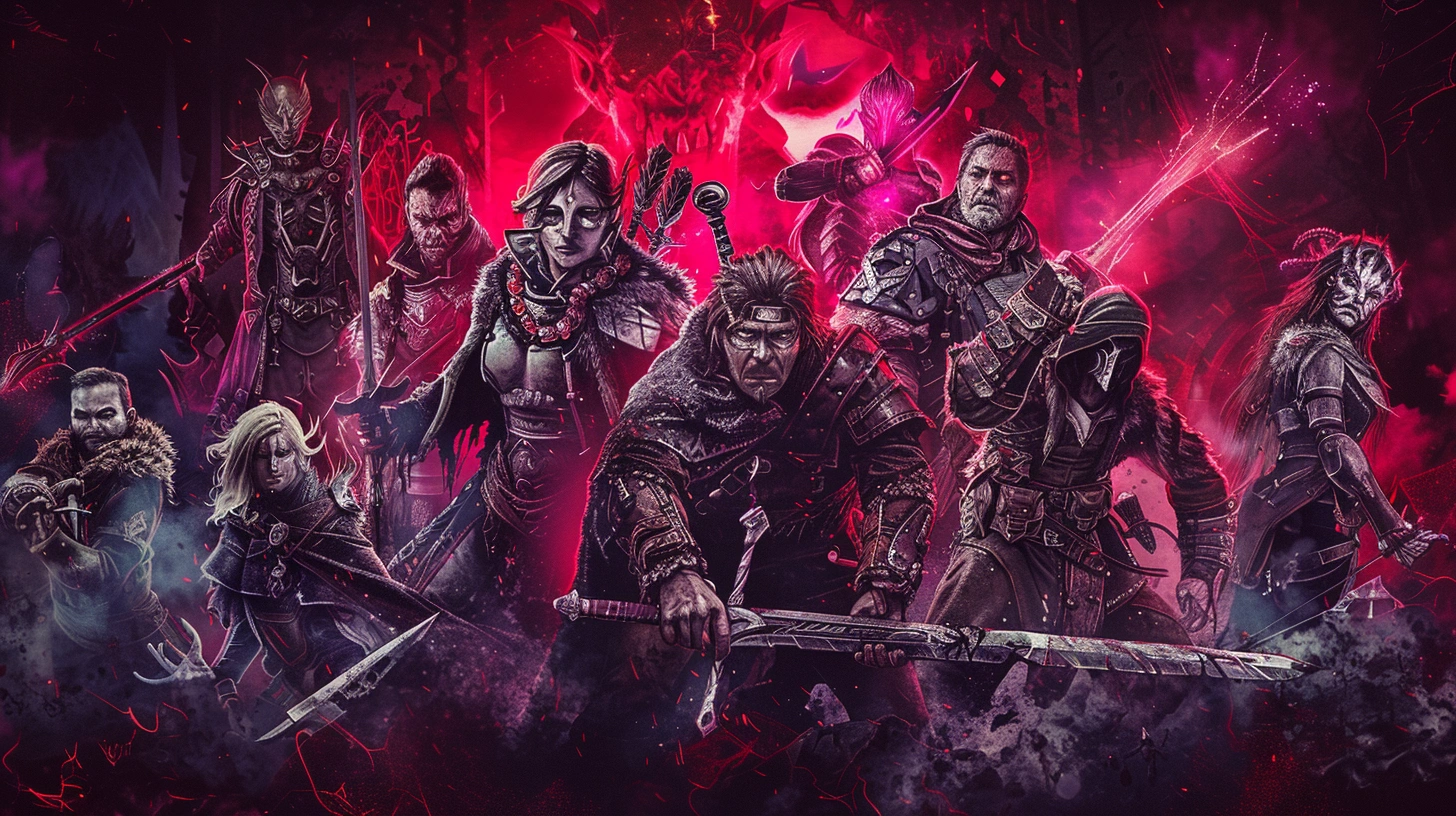
Heroes are the central element of Kingdom Story Heroes. Each character has unique attributes and abilities that determine their role in combat. The rarity system influences both the power and development potential of heroes.
Different rarity levels create a balance between accessibility and value. Players can gradually strengthen their squads by obtaining rarer characters and improving their statistics.
- each hero has unique abilities;
- multiple rarity levels are available;
- rare heroes possess stronger attributes;
- team composition affects battle outcomes;
- heroes can be upgraded and developed.
This system turns collecting into a strategic element. Players choose characters based on specific goals and build effective combinations. As a result, collections become more than just sets of assets — they function as tools for achieving victory.
Additionally, rarity affects the long-term value of heroes within the ecosystem. Some characters may become highly востребованы in specific modes, creating internal demand dynamics. This gives players additional motivation to expand and improve their collections.
4. Kingdom Story Heroes Economy and Tokens
The economic model of Kingdom Story Heroes revolves around tokens and in-game resources. They are used for character upgrades, participation in activities, and interaction with progression systems. Unlike simplified GameFi models, the economy here is tightly connected to gameplay.
Players earn resources through battles and missions. These assets are then spent on improving heroes, creating a continuous gameplay loop that links progression with resource management.
| Asset | Type | Function | Role |
|---|---|---|---|
| KING | Token | Used in key ecosystem operations | Foundation of the economy |
| Resources | In-game assets | Hero upgrades and progression | Supports development |
| NFT Heroes | Digital assets | Used in battles | Core gameplay element |
The economy remains relatively simple and avoids unnecessary complexity. Players are encouraged not only to earn resources but also to use them strategically. This reduces excessive speculation and strengthens the connection between gameplay and digital ownership.
Maintaining balance between income and spending is also important for long-term sustainability. It helps prevent resource inflation and encourages thoughtful progression planning. As a result, advancement feels more meaningful and strategic.
5. Project Prospects
Kingdom Story Heroes combines traditional gameplay with Web3 functionality. Its straightforward structure makes the game accessible, while NFTs and tokens add depth and variety. This allows the project to attract both regular gamers and the GameFi audience.
At the same time, long-term success depends on balancing gameplay and economics. Overemphasis on tokens could reduce interest in the core experience, while a lack of fresh content may weaken player engagement.
Stable growth requires regular updates, new modes, and an active community. Competition within the industry also pushes the project to improve mechanics and expand its features. Kingdom Story Heroes demonstrates how Web3 can complement traditional RPG systems without overwhelming players with unnecessary complexity. If development continues successfully, the project could establish a stable position within the Web3 gaming market.











