
In the rapidly growing world of decentralized finance (DeFi), new projects constantly emerge, striving to offer more efficient and profitable solutions. Kodiak Finance stands out as an innovative decentralized exchange (DEX) built on the Avalanche blockchain.
The platform aims to overcome key limitations of existing protocols, offering users not just asset exchange, but an advanced ecosystem for liquidity management and passive income generation. Its unique approach makes it an attractive tool for both experienced traders and new cryptocurrency market participants.
Contents:
- What is Kodiak Finance?
- Kodi: The Unique Protocol Token
- Liquidity Architecture and Pools of Kodiak Finance
- Yield Farming and Staking
- Security and Project Development Prospects
- Conclusion
What is Kodiak Finance?
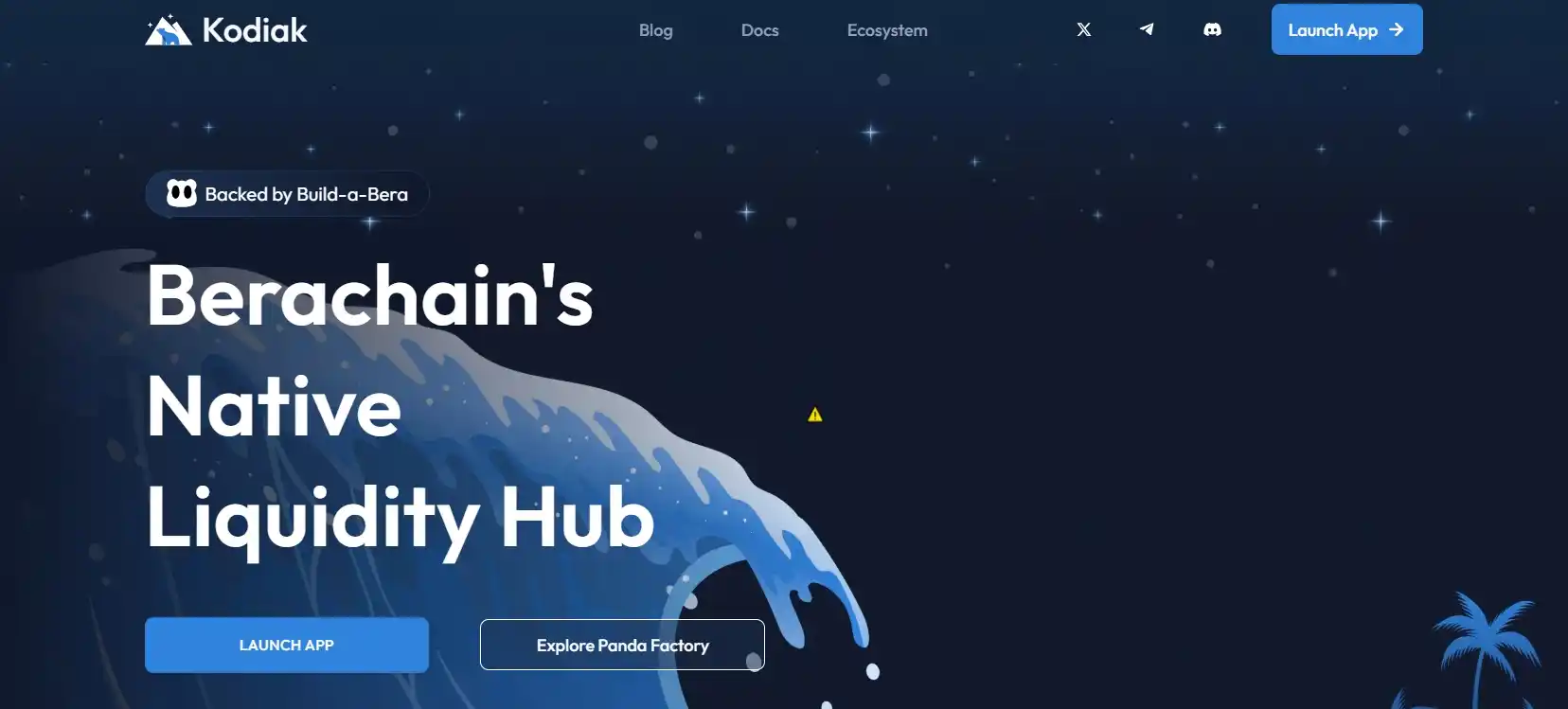
Kodiak Finance is a decentralized exchange operating on the Avalanche network, offering users advanced capabilities for providing liquidity and trading crypto assets. Unlike standard DEXs, this protocol implements complex mechanisms designed to incentivize long-term participation in pools and increase their capital efficiency. The main goal of the platform is to create a sustainable economic model where all participants, from liquidity providers to native token holders, receive mutual benefits. This is achieved through well-designed tokenomics and a reward system that encourages deep liquidity on the platform.
The project strives to solve the problem of "impermanent loss," mitigating its impact through special fee distribution algorithms. Thanks to the use of the high-performance Avalanche blockchain, the exchange ensures instant transaction finality and minimal fees, which is critically important for active traders and arbitrageurs. Thus, Kodiak positions itself not just as another Uniswap clone, but as the next generation of decentralized exchanges, focused on capital efficiency and long-term sustainability.
Kodi: The Unique Protocol Token
The central element of the Kodiak ecosystem is its native governance token, KODI. This digital unit performs several key functions beyond simple voting. KODI holders can participate in staking to receive a share of the trading fees generated on the platform, creating a strong incentive for long-term holding of the asset. Furthermore, the token is used for making important decisions regarding future protocol updates and treasury fund allocation, giving the community real power over the project's development.
The distribution of KODI is designed to fairly reward the most active and dedicated participants in the ecosystem. A significant portion of the emission is directed as rewards for liquidity providers and those who lock their tokens in smart contracts. This approach fosters healthy circular demand for the token and strengthens its long-term value. Owning KODI grants users access to exclusive features and premium earning opportunities within the platform.
Liquidity Architecture and Pools of Kodiak Finance
At the core of Kodiak Finance lies an enhanced Automated Market Maker (AMM) model that transforms the traditional approach to providing liquidity. The protocol implements an intelligent system for distributing fees and rewards, aimed at maximizing returns for capital providers. For user convenience, the platform offers detailed analytics for each pool.
Key pool parameters include:
- Total Value Locked (TVL): Shows the total amount of capital in the pool.
- Annual Percentage Rate (APR): Reflects the estimated profitability.
- Trading Fee Size: The percentage charged for each transaction.
- KODI Token Distribution: The share of emission directed to liquidity providers.
This detailed approach allows participants to make informed investment decisions, choosing optimal strategies for placing their assets. The flexible pool architecture can adapt to market volatility, ensuring fair compensation for assumed risks and increasing the overall resilience of the ecosystem.
Yield Farming and Staking
Kodiak Finance provides two main methods for passive earnings, each with unique characteristics. Yield farming involves providing liquidity to trading pools and receiving fees and KODI tokens as rewards. Staking is aimed at long-term holders who lock their tokens to receive a share of the platform's overall network fees.
For a visual comparison of these strategies, consider their key features:
| Criterion | Yield Farming | KODI Staking |
|---|---|---|
| Primary Action | Depositing a token pair into a liquidity pool | Locking KODI tokens in a smart contract |
| Primary Income Source | Trading fees + KODI rewards | Share of the platform's total trading fees |
| Potential Risks | Impermanent loss | KODI token price volatility |
The choice between these strategies depends on individual preferences and risk tolerance. Yield farming suits those willing to actively manage their assets in pools, while staking is oriented towards long-term support of the ecosystem. Both methods effectively complement each other, creating a synergistic effect for the platform's growth.
Security and Project Development Prospects
A priority for Kodiak Finance is creating a secure and reliable environment for user assets. The platform's smart contracts undergo thorough audits by specialized companies, minimizing the risks of vulnerability exploitation. For additional protection, proven development methodologies and conservative fund management approaches are applied, ensuring a high level of trust in the protocol.
Further development of the project includes the implementation of new types of liquidity pools with enhanced functionality and deep integration with other protocols in the Avalanche ecosystem. The team also plans to release advanced capital management tools, strengthening the platform's position in the DeFi market. Continuous improvement is carried out considering community feedback and market trends, ensuring long-term competitiveness and technological relevance of the solution.
Conclusion
Kodiak Finance represents a significant step in the evolution of decentralized exchanges, offering a comprehensive solution for trading, liquidity management, and passive income. The project successfully combines an enhanced AMM model with thoughtful KODI tokenomics, creating a sustainable economic ecosystem. Thanks to its operation on the fast and scalable Avalanche blockchain, the platform provides technical superiority and competitive advantages.
The development prospects of Kodiak are closely linked to the growth of the Avalanche ecosystem, where the project aims to take a leading position among DeFi solutions. The constant improvement of the protocol, focused on community needs and current market trends, strengthens its long-term competitiveness. The project demonstrates a mature approach to creating a capital-efficient and secure decentralized trading infrastructure.











