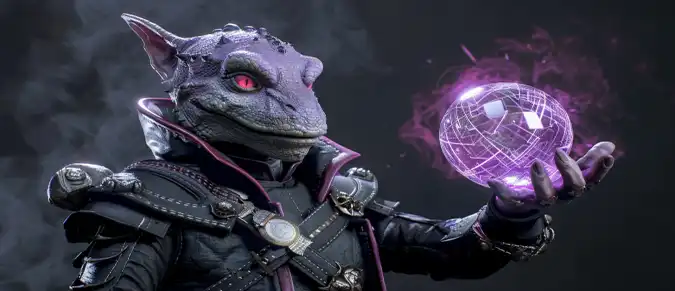

Legend of the Crime Lizard is a GameFi project on BNB Chain that brings together several Web3 use cases in one place: an RPG-style adventure with character progression, the creation and use of NFTs, and a set of on-chain activities such as prediction modes and “casino-style” mini-games. In listings across dApp aggregators, the project highlights its focus on AI-generated characters, prediction markets, and the integration of crypto news as part of the gameplay loop. Below is a breakdown of the core idea: how the game differs from typical clicker-style projects and NFT collections, how its economy works, what risks to consider, and how to get started.
Contents
- The Idea and Positioning of Legend of the Crime Lizard
- Gameplay and Core Mechanics
- On-Chain Mechanics and Web3 Integration
- Economy: CLZD Token and NFTs
- Getting Started with Legend of the Crime Lizard, Risks, and Conclusion
1. The Idea and Positioning of Legend of the Crime Lizard
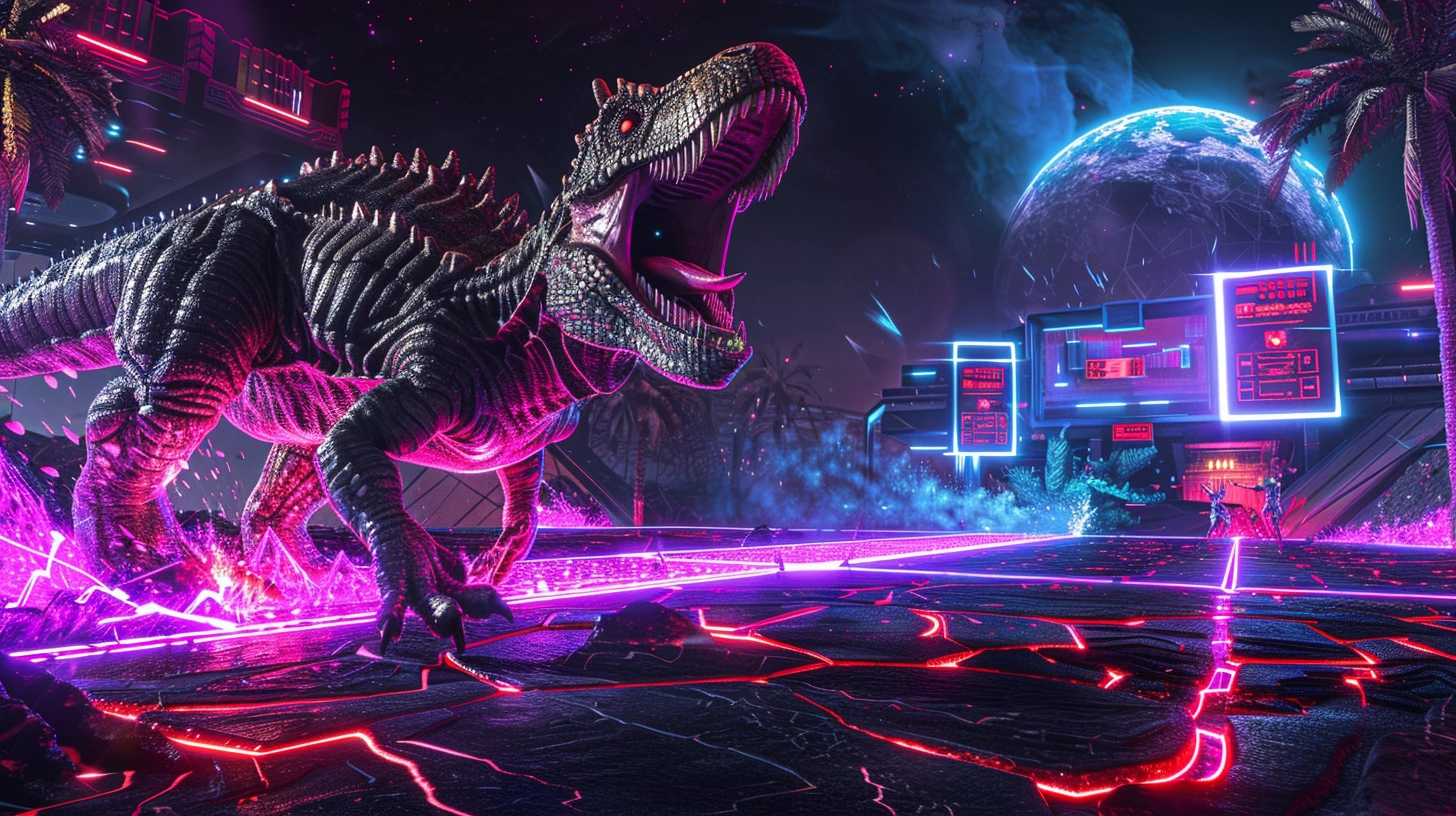
At its core, Legend of the Crime Lizard follows a familiar gaming framework: an RPG adventure where the player has a character, progression, equipment, and goals. However, the project presents this as an “on-chain experience,” where a significant part of interactions relies on smart contracts and crypto assets. In decentralized app directories, the game is described as an AI-driven RPG on BNB Chain featuring custom AI-generated NFTs, prediction-based modes, daily crypto news, and various on-chain mini-games. For players, this means that key assets—especially NFT characters and related in-game items—are designed to be portable and verifiable on the blockchain rather than locked on centralized servers.
This approach has a practical logic: a Web3 game aims to offer not only engaging gameplay but also a layer of ownership—the ability to hold a character as digital property, trade assets with other players, and connect in-game progress with economic incentives. Still, it’s important to remember that blockchain integration does not automatically make a game profitable; instead, it adds transparency to transactions and creates infrastructure for token and item markets.
2. Gameplay and Core Mechanics
From a game design perspective, the project tries to balance “playing for progression” and “playing for economy.” Descriptions on dApp platforms and in community materials emphasize that users are not just collecting assets but engaging in a set of interconnected modes. Below are the key elements that form the backbone of the gameplay and explain why the project is often labeled as GameFi.
- RPG loop (adventure and character development). Players obtain a hero and move through the world, improving stats, completing tasks, and fighting enemies. Public descriptions mention exploring locations such as cities and battling creatures like goblins, creating a familiar PvE rhythm.
- AI-generated NFT characters. Characters are presented as NFTs with AI-based generation or customization. Instead of being just database entries, they are tokenized assets stored in a wallet and used as core in-game entities.
- On-chain mini-game modes. The RPG experience is combined with additional activities such as predictions, slots, dice, and other mini-games powered by smart contracts, expanding the ways players can engage and use or earn resources.
- Prediction markets as part of the game loop. Built-in prediction features go beyond simple guessing events; they introduce a structured risk–reward format that can influence both the in-game economy and player retention.
- A layer of “live” crypto news. The game is described as integrating daily crypto news, aiming to connect the game interface with real-world market information and make external context part of the ecosystem.
Comparing how the project is presented across different sources helps form a broader picture. For example, on DappRadar it is listed as an on-chain RPG combining GameFi, AI-NFTs, prediction markets, and live crypto news. While this doesn’t replace hands-on testing, it highlights the structure and intended mechanics.
3. On-Chain Mechanics and Web3 Integration
Stripped of marketing language, the on-chain aspect of Legend of the Crime Lizard refers to game actions that involve blockchain infrastructure: transactions, interaction with smart contracts, and the use of tokens and NFTs. Unlike traditional games where the entire economy is controlled by the developer’s server, here operations are transparent, and digital assets can belong to the player rather than the platform.
The project expands gameplay beyond standard PvE. Prediction modes and mini-games introduce alternative scenarios where strategy and risk management matter just as much as character leveling. The integration of crypto news adds context, allowing players to stay within the ecosystem while following market developments. Conceptually, this positions the game as a Web3 hub for an audience already interested in crypto.
At the same time, security awareness is crucial. dApp directories sometimes display warnings or technical flags related to risk, signaling the need to check wallet permissions and contract addresses. A sensible approach for users includes basic crypto hygiene: using a separate wallet for testing, limiting approvals, and verifying transactions through BNB Chain explorers.
4. Economy: CLZD Token and NFT Assets
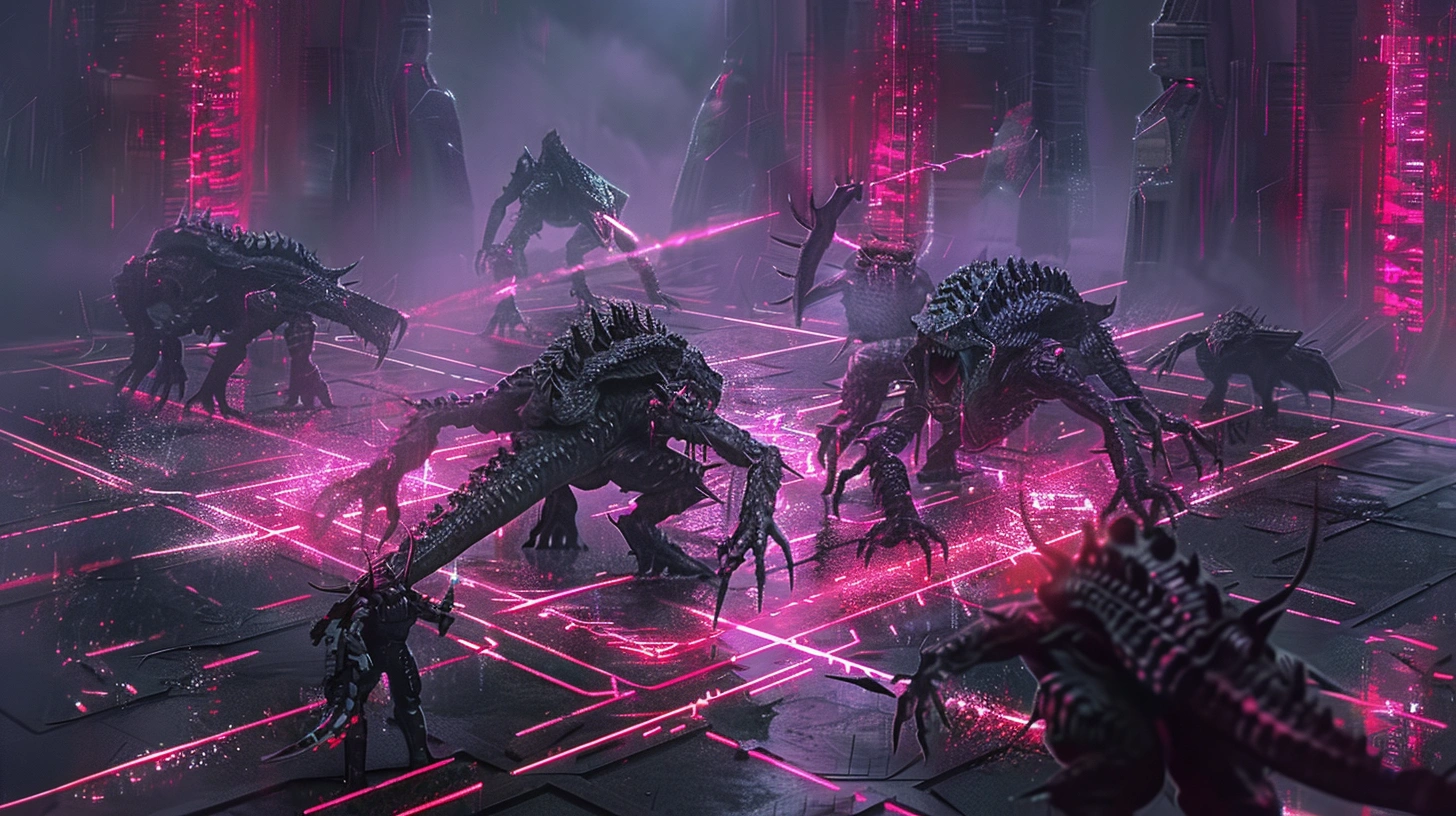
The economic layer is a key reason why Legend of the Crime Lizard is categorized as GameFi. At a foundational level, the project revolves around the CLZD token and NFT characters: the token acts as a utility currency within the ecosystem, while NFTs function as in-game entities owned by players. Market trackers list the token on BNB Chain and often cite a maximum supply of around 1 billion tokens. Below is a simplified overview of how the project’s economy is typically interpreted.
| Element | What It Is | Why It Matters to Players | Practical Note |
|---|---|---|---|
| CLZD | Utility token of the ecosystem on BNB Chain | Used for in-game transactions, rewards, and participation in activities | Price, volume, and historical data are best checked on market trackers like CoinGecko. |
| NFT Characters | Tokenized in-game heroes with AI-based generation/customization | Core progression carriers used in RPG and on-chain modes | Their value depends on demand and in-game utility, not just rarity. |
| On-Chain Mini-Games | Additional modes (slots, dice, predictions) powered by smart contracts | Alternative ways to earn or spend resources and stay engaged | More on-chain activity means higher importance of fees and security discipline. |
| Marketplace/Trading | Ability to exchange assets between players | Monetizing progress, reallocating assets, building optimal setups | Liquidity is not guaranteed; assets may sell below expectations. |
It’s important to stay realistic about the economy: tokens and NFTs are volatile, and “earning in a game” depends on many variables such as reward balance, player activity, DEX liquidity, and rule changes. A rational strategy is to treat the economic layer as an optional feature rather than a promise of profit and to limit the budget allocated to experimentation.
5. Getting Started with Legend of the Crime Lizard, Risks, and Conclusion
Before diving into Legend of the Crime Lizard, it’s wise to follow basic security practices: use a separate wallet with a small test balance, carefully review requested permissions, and access the project only through official links. This approach reduces the risk of losses caused by phishing, fake contracts, or excessive approvals, which are common issues in Web3 environments.
Market factors also matter. Even if the game develops actively, token prices and NFT liquidity can fluctuate significantly, and risk-based in-game activities require a clear understanding of mechanics. It’s more reasonable to view the project as a mix of entertainment and experimentation with digital assets rather than a guaranteed income source.
Overall, the game is notable for its attempt to combine RPG gameplay, AI-generated NFTs, and on-chain mechanics within a single ecosystem. With a mindful approach and good crypto hygiene, it can serve as an interesting introduction to GameFi, where the primary focus should remain on the gaming experience, while the financial aspect is treated as a secondary and risk-bearing component.











