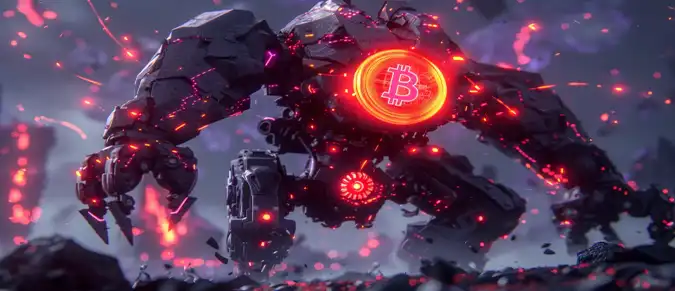

MetaWars is a Web3 game set in a sci-fi universe that combines strategy, RPG elements, and digital economy mechanics. Unlike early blockchain games focused mainly on token farming, this project emphasizes asset management, infrastructure development, and participation in a multi-layered ecosystem. Players are not just participants in battles but part of a system where resources, NFTs, planning, and long-term decisions matter. This approach makes MetaWars an example of a more mature GameFi model, where value is created through the interaction of gameplay mechanics and tokenomics.
Contents
- MetaWars Concept and World Structure
- Gameplay and Core Mechanics
- NFTs and Digital Ownership in MetaWars
- Economy and Project Tokens
- Advantages and Key Features
1. MetaWars Concept and World Structure
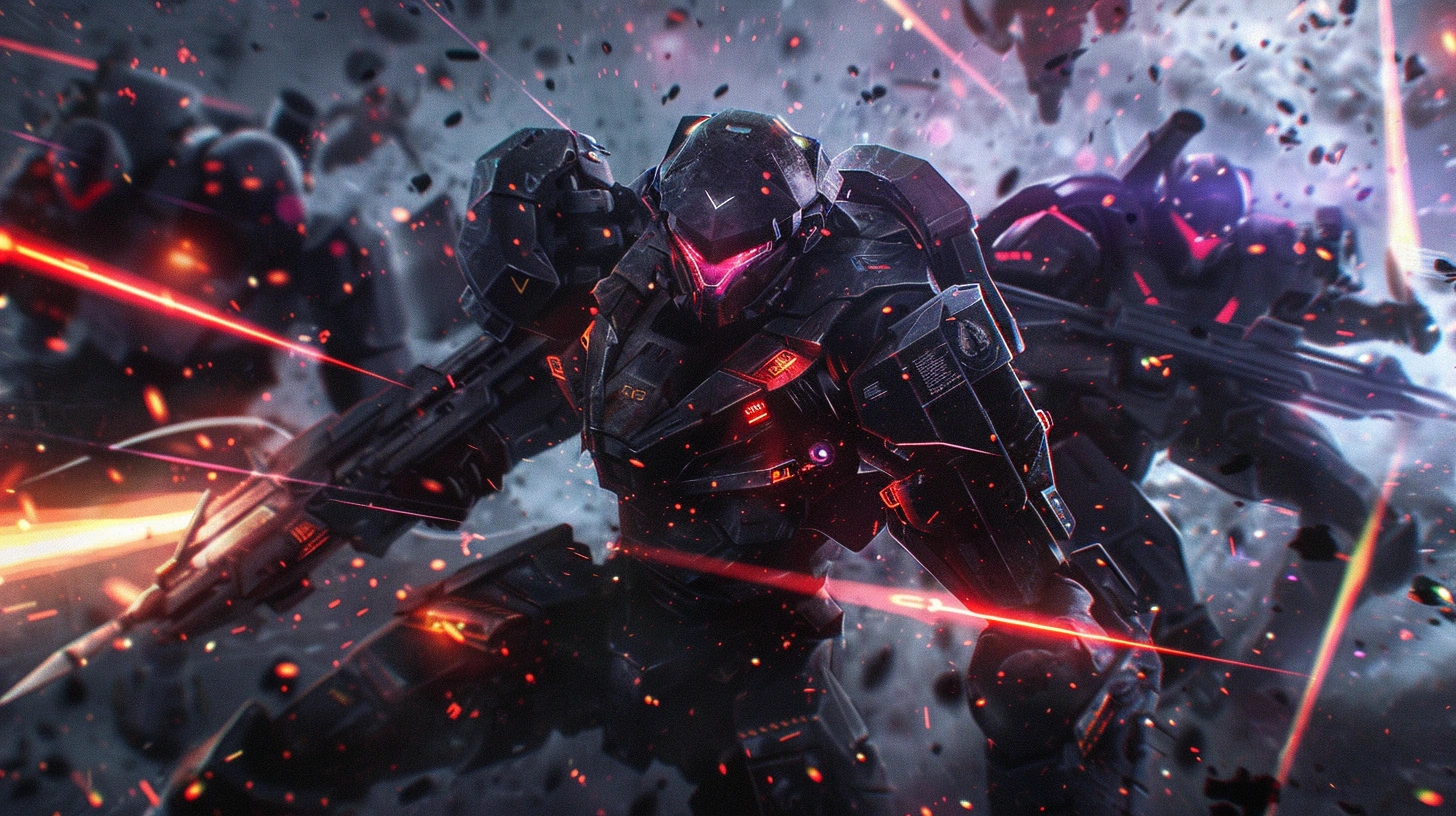
MetaWars is a Web3 ecosystem that combines gameplay with blockchain infrastructure. The action takes place in a space universe where players interact with assets such as mechs, planets, and resources. The core idea is to make users part of the economy rather than just participants in isolated missions.
Unlike traditional games, success here depends not only on victories but also on asset management, infrastructure development, and adaptation to changing conditions. This makes MetaWars closer to a strategy simulator with an economic layer. Players can choose their role — focusing on combat, resource generation, or NFT development.
This flexibility allows users to build personalized strategies and engage more deeply with the system. The world of MetaWars is designed to evolve, introducing new mechanics and opportunities, while the community influences its growth. As a result, the project feels like a living system rather than a static game. Ultimately, MetaWars connects gameplay and economy into a unified ecosystem where every action matters.
2. Gameplay and Core Mechanics
The gameplay of MetaWars revolves around two key elements: combat mechs and planets. Mechs serve as the main combat units and can be upgraded, while planets provide resources and support infrastructure development.
The experience combines tactical and strategic layers. In battles, players must consider unit characteristics and choose effective tactics, while outside combat they manage resources and long-term growth.
Progression is non-linear, allowing players to either strengthen combat units or invest in economic development. Additional features such as research and technological upgrades expand gameplay possibilities.
Player decisions have long-term consequences, making planning essential. This creates a deeper experience where MetaWars functions not just as a game, but as a strategic system with an economic foundation.
3. NFTs and Digital Ownership in MetaWars
One of the key features of MetaWars is its use of NFTs. Unlike traditional games where assets belong to developers, here they are owned by players through blockchain technology, providing true digital ownership.
NFTs serve multiple purposes within the ecosystem. They are required for gameplay participation, influence progression efficiency, and create real utility. This gives digital assets practical value beyond simple collectibles.
They also enable different participation strategies. Some players focus on collecting rare assets, while others actively use them in gameplay.
- access to game mechanics;
- enhancement of capabilities;
- participation in the economy;
- rarity and value creation;
- trading and storage.
Another advantage is transparency. All transactions are recorded on-chain, increasing trust and allowing players to manage their assets independently. NFTs also support long-term engagement, as they can retain value even outside active gameplay, making them a core part of the ecosystem.
4. Economy and Project Tokens
The MetaWars economy is built around two tokens with distinct roles. This separation helps reduce pressure on a single asset and improves system stability. WARS acts as the main ecosystem token tied to governance and participation, while GAM is used for in-game operations and interactions.
| Token | Type | Purpose |
|---|---|---|
| WARS | Governance | governance and staking |
| GAM | Utility | in-game operations |
Maintaining balance between these tokens is essential, as their interaction defines the stability of the economy. When properly structured, the system becomes more predictable and resilient.
Tokens are also used in various scenarios such as rewards and ecosystem participation, expanding user opportunities and making the economic model more flexible.
5. Advantages and Key Features
MetaWars stands out among Web3 games due to its complex structure combining strategy, RPG elements, and economic systems. It offers flexible gameplay where players can choose their own path — from combat to resource management.
A major advantage is the deep integration of NFTs and tokens into gameplay. These elements directly influence progression rather than existing as separate features. The project is also scalable, with the ability to expand through new mechanics and updates.
However, the system’s complexity may create a barrier for newcomers. Its success depends heavily on economic balance and active community participation.
Overall, MetaWars is suited for users seeking a deeper Web3 experience. It represents the evolution of GameFi toward more sophisticated ecosystems, where gameplay, NFTs, and tokens work together as a unified system shaping future digital worlds.











