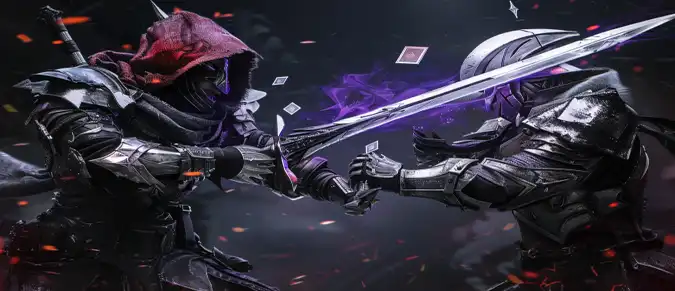

Might & Magic Fates TCG is a card strategy game that combines classic gameplay with Web3 capabilities. The project expands a well-known universe by introducing elements of digital ownership and a flexible in-game economy. Players not only compete in matches but also gain control over their assets. The main focus remains on gameplay, while blockchain enhances functionality without adding complexity. This approach maintains a balance between usability and technology. It makes the game accessible to both newcomers and experienced players. As a result, it creates a flexible model that blends traditional gaming with modern innovations.
Contents
- Concept and Positioning of Might & Magic Fates TCG
- Gameplay and Card Mechanics
- Economy and Tokens
- Platform Technology and Architecture
- Future Potential and Project Significance
1. Concept and Positioning of Might & Magic Fates TCG
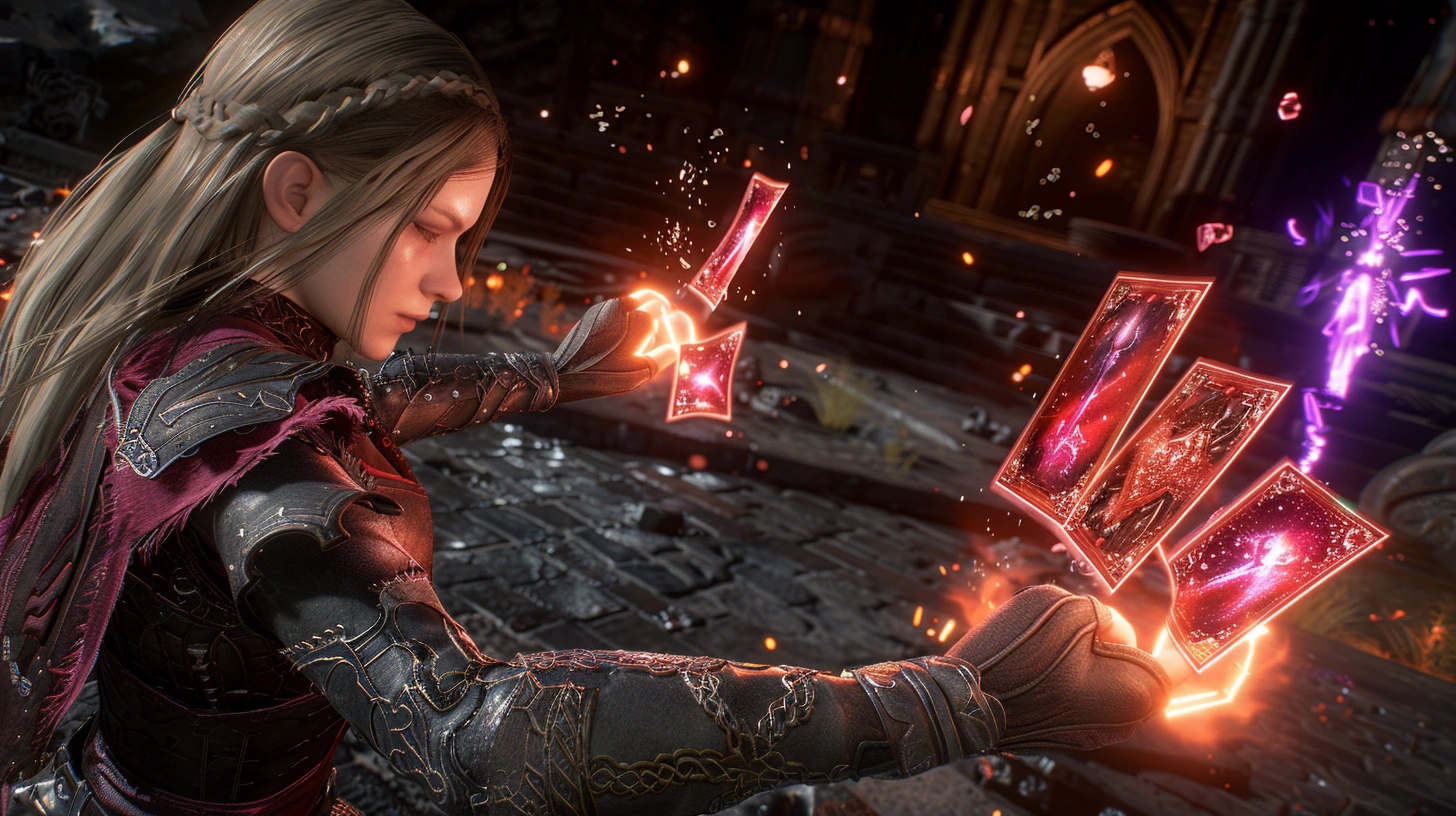
Might & Magic Fates TCG is a strategic card game built on a well-known fantasy universe. The core idea is to combine traditional TCG mechanics with modern Web3 technologies. This preserves a familiar gameplay format while expanding interaction with digital assets. The gameplay focuses on competition, where success depends on skill rather than financial investment. Developers emphasize that blockchain functionality remains optional and does not affect game balance.
This approach makes the project accessible to a wide audience. New players can enjoy the game without understanding crypto technologies, while experienced users gain additional tools for interacting with the ecosystem. As a result, a hybrid model emerges, combining traditional gaming with Web3. The project also demonstrates a careful integration of new technologies, reducing resistance from classic gaming audiences and creating a smoother transition into Web3 gaming.
2. Gameplay and Card Mechanics
The gameplay is built around card-based duels, where players assemble decks and compete against each other. The game features different card types, including heroes, creatures, spells, and artifacts. Each category influences strategy and allows for unique combinations.
A distinctive feature is the resource system based on gold rather than traditional mana. This changes the pace of the game and requires more precise planning. Resource management becomes a key element of strategy.
- Building decks from different factions
- Using heroes with unique abilities
- Managing resources and battle tempo
- Combining cards to enhance effects
- Adapting strategy in real time
This structure ensures that each match feels unique. Players must constantly analyze the situation and make decisions based on the current state of the game. It increases gameplay depth and keeps long-term engagement high. The system also encourages experimentation, allowing players to discover unconventional strategies and making matches less predictable.
3. Economy and Tokens
The economic system of the game is based on digital assets and in-game resources. The main focus is on collecting cards and using them in matches. Some assets exist as NFTs, enabling ownership and trading. At the same time, developers avoid a play-to-earn model, ensuring that the economy complements gameplay rather than dominating it.
| Asset | Function | Role |
|---|---|---|
| FATES | Game token | Opening card packs |
| Faction Keys | Content access | Unlocking bonuses and resources |
| NFT Cards | Collectible assets | Gameplay and trading |
This model maintains a balance between gameplay and economy. Players can focus on strategy without being distracted by financial aspects. It also supports long-term asset value, encouraging users to develop their collections and participate in events, which contributes to an active community.
4. Platform Technology and Architecture
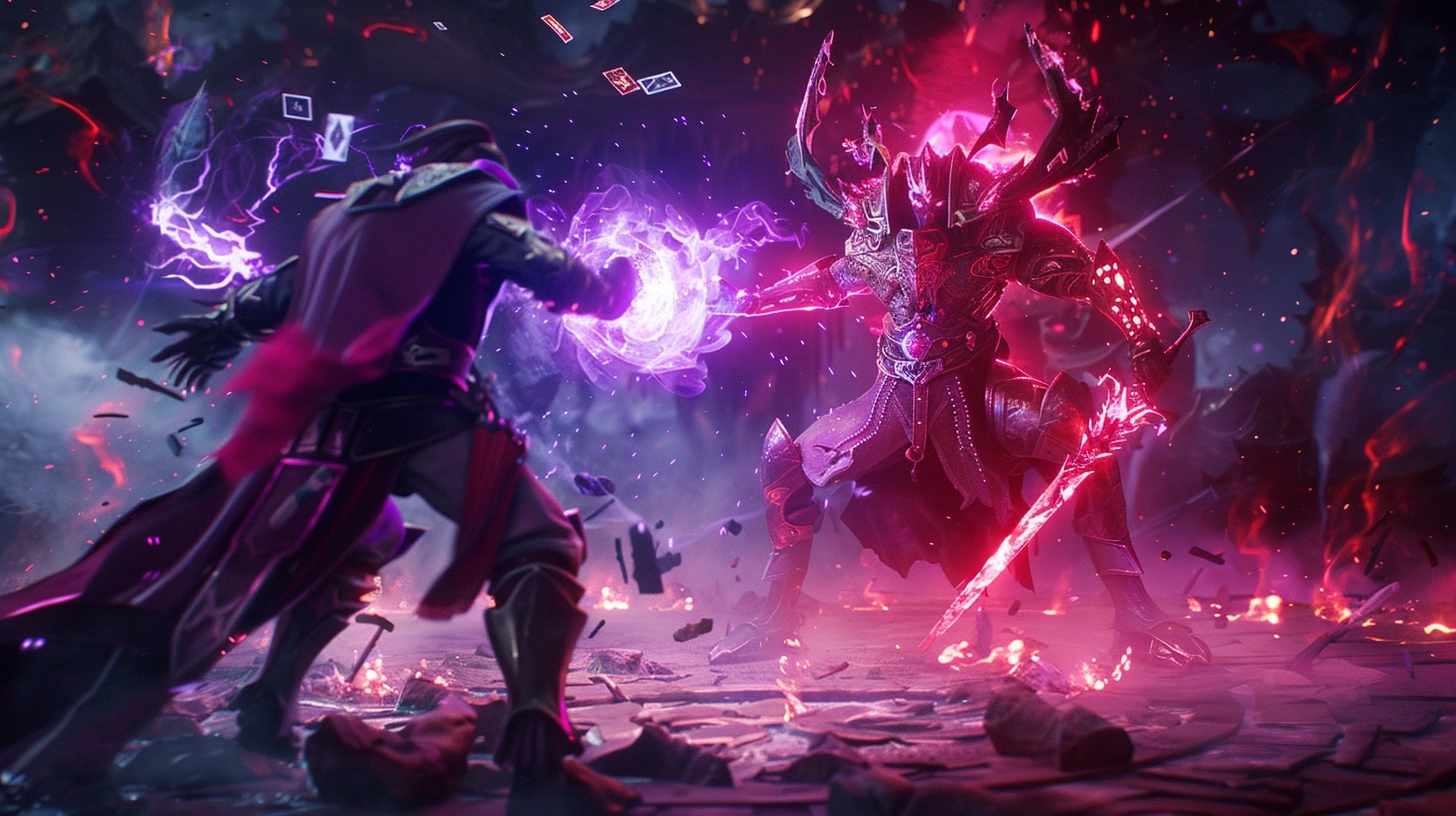
Might & Magic Fates TCG uses blockchain infrastructure to ensure digital ownership. Cards can exist as assets that can be stored and traded. At the same time, interaction with blockchain remains optional. The project is built on layer-2 solutions, providing high transaction speed and low fees, which is essential for gaming environments.
Smart contracts automate processes such as asset transfers and ownership verification. The architecture is designed for scalability, allowing new content to be added without disrupting stability. Developers also focus on user experience, minimizing technical barriers and making the game accessible to a broader audience.
The system includes secure data storage and protection of user assets, increasing trust among players. The infrastructure can adapt to growing demand and increased user activity. As a result, the platform remains stable even during rapid expansion.
5. Future Potential and Project Significance
Might & Magic Fates TCG reflects a broader trend in Web3 gaming, where traditional genres are enhanced rather than replaced. Instead of creating entirely new formats, developers adapt proven mechanics to modern technologies. The project benefits from a strong brand and a well-designed gameplay system, while Web3 adds new interaction possibilities.
Future development may include expanding card collections, introducing new modes, and improving the economic system. This can help maintain player interest and grow the ecosystem. Additional social features may strengthen interaction between players. Overall, the project demonstrates how classic card games can evolve through Web3 while maintaining balance between tradition and innovation.
This approach makes the game both accessible and innovative. It shows that the future of GameFi lies not in replacing core mechanics but in enhancing them. As a result, a more flexible and sustainable gaming model is formed. Projects like this define a new direction for the industry, combining familiar gameplay with advanced technological capabilities.











