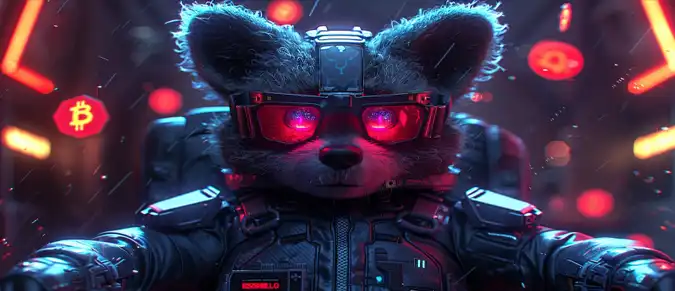

MILO is a Web3 project that has evolved from a meme token into a full-fledged gaming ecosystem. It is built around the idea of combining community, digital assets, and simple gameplay accessible to a wide audience. Users not only hold tokens but also participate in gameplay, earning rewards for their activity. This approach reflects a new wave of GameFi, where engagement is just as important as economics.
Contents
- MILO Evolution and Project Concept
- Gameplay and Interaction Mechanics
- MILO Economy and Tokens
- NFTs and In-Game Assets
- Role in Web3 and Future Outlook

1. MILO Evolution and Project Concept
MILO initially emerged as a meme token focused on building an active community. Over time, however, the project began to evolve by introducing new features and expanding user interaction. This shift allowed it to move beyond a simple ownership model into a more complex ecosystem.
The core idea is to transform a digital asset into a participation tool. Users are not just holding tokens but actively engaging with the system, where their actions matter. This creates a deeper connection with the project. Ease of entry also plays a significant role, as the platform is designed for a broad audience, with intuitive mechanics and a simple interface. As a result, barriers to entry are reduced, attracting new users. MILO demonstrates how meme-based projects can evolve into полноценные Web3 products.
It is also important to highlight the role of the community in the project’s development. Active participants not only maintain interest but also influence future decisions. This makes the ecosystem more dynamic and adaptable. As a result, MILO grows not only through the efforts of its team but also благодаря its users.
2. Gameplay and Interaction Mechanics
The gameplay of MILO is built around completing simple actions and participating in activities within the ecosystem. Users interact with game elements, earn rewards, and gradually improve their position.
The mechanics are designed to be accessible, requiring no advanced skills, which makes the game appealing to a wide audience. At the same time, basic strategic elements are included, allowing players to optimize their actions.
- participating in in-game activities;
- completing tasks;
- developing digital assets;
- earning rewards;
- interacting with other users.
An additional layer of engagement comes from result variability. Players can receive different rewards depending on their actions and chosen approach.
Regular participation is also essential. The more actively users engage with the system, the more opportunities they unlock. This creates a habit of returning to the game and increases overall user retention.
3. MILO Economy and Tokens
The economic model of the project is based on the MILO token, which serves as the main currency. It is used for transactions, rewards, and interaction with gameplay mechanics. Unlike purely speculative models, the token is directly integrated into gameplay, making the economy more connected to user actions.
| Asset | Type | Role | Usage |
|---|---|---|---|
| MILO | Utility Token | Main Currency | Rewards and transactions |
| Resources | In-game | Progress support | Upgrades |
| NFT | Digital Assets | Core elements | Characters and items |
This structure creates an interconnected system where each element reinforces the others. At the same time, sustainability depends on user activity. The economy encourages engagement, as rewards are directly tied to player actions, making participation more meaningful.
An important factor is balancing reward distribution and consumption. This helps prevent inflation within the system. Developers implement control mechanisms to maintain stability, which becomes critical for long-term sustainability.

4. NFTs and In-Game Assets
NFTs play a key role in the MILO ecosystem. They can represent characters, items, or other game elements, making them an integral part of gameplay rather than just collectibles. Each asset has unique attributes, allowing users to build personalized strategies and adding depth to the experience.
Interaction between players is also important. NFTs can be traded or used in various scenarios, increasing economic activity. This makes digital assets a bridge between gameplay and the broader ecosystem.
Additionally, NFTs strengthen the sense of ownership. Users perceive these assets as part of their strategy rather than simple interface elements. This increases the perceived value of participation and contributes to a more stable engagement model.
5. Role in Web3 and Future Outlook
MILO reflects the evolution of Web3 toward combining entertainment and economics. The project demonstrates how simple ideas can develop into more complex systems. One of the key drivers is the community, which supports growth and shapes the project’s value.
Accessibility is another важный factor. Simple mechanics help attract new users and retain them within the ecosystem. In the future, similar projects may become the foundation for массового adoption of Web3 gaming.
It is also important to consider broader industry growth. As interest in GameFi increases, such projects gain more attention. This creates opportunities for scaling, and MILO may secure its place within this segment.
MILO shows how a meme token can evolve into a полноценная gaming ecosystem. By combining simplicity, economy, and user engagement, it represents an interesting case in GameFi development. In the long term, such models may shape the future of Web3 games.











