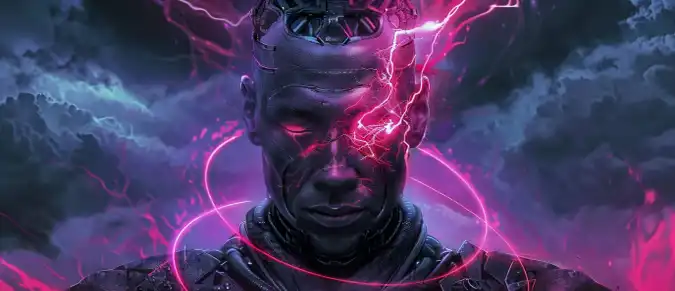

MIR4 is an innovative MMORPG developed by Wemade, merging classic gameplay with blockchain technology and Web3 elements. The game reimagines traditional role-playing mechanics within a new digital economy where virtual resources hold real-world value. MIR4 enables players to not only engage in epic battles but also to earn tokens, own NFT items, and interact with digital assets through the WEMIX ecosystem. With cross-platform support, large-scale battles, and deep crypto integration, MIR4 has become a flagship project in the Web3 gaming landscape.
Contents
- Concept and Philosophy of MIR4
- Gameplay Mechanics and Core Dynamics
- Economic Model and Tokenomics
- Technology and Web3 Integration
- Prospects and Challenges
- Conclusion

1. Concept and Philosophy of MIR4
MIR4 is more than just an MMORPG — it’s an ecosystem designed to connect players through blockchain technology. Developer Wemade set out to combine the excitement of traditional online games with user-driven economic independence. The core idea is the “game-as-an-ecosystem” model, where each player not only develops their character but also participates in a decentralized economy.
The story unfolds in a mythical Eastern world that blends fantasy, ancient traditions, and techno-magic. Built on Unreal Engine 4, MIR4 delivers breathtaking visuals and dynamic combat scenes. Available on both PC and mobile, it offers seamless access for players across different platforms. This accessibility helped attract millions of users worldwide, making MIR4 one of the most discussed Web3-integrated MMORPGs.
The game’s philosophy centers around freedom — freedom of action, digital ownership, and influence on the in-game economy. Unlike most Play-to-Earn titles, MIR4 emphasizes immersive gameplay and emotional depth, where the economic layer serves as a natural extension rather than the main goal. This balance between entertainment and innovation has earned MIR4 a strong reputation within the blockchain gaming community.
2. Gameplay Mechanics and Core Dynamics
MIR4 combines classic MMORPG principles with elements of strategy and social competition. Players choose from various classes, complete quests, participate in PvP and PvE battles, explore dungeons, and mine resources. A key resource is Darksteel, which can be gathered in mines and converted into the DRACO token, forming the basis of the in-game economy.
One of the standout features is the “Free Loot” system, where even players who didn’t land the final blow can still claim rewards. This mechanic encourages cooperation and adds a unique social dimension to gameplay. Meanwhile, the auto-mining system allows players to earn resources passively, appealing to both casual and dedicated gamers.
Key Gameplay Features of MIR4:
- Progression System: players enhance skills, weapons, and armor to build unique combat styles.
- Clans and Wars: large-scale alliance battles for territorial dominance and resources.
- Resource Economy: mining and refining Darksteel into DRACO tokens.
- Cross-Platform Play: available on PC, Android, and iOS with shared servers.
- Social Interaction: trading, diplomacy, co-op raids, and live events.
Additionally, the game features asymmetric PvP mechanics, enabling weaker players to band together against stronger foes. This dynamic creates a living world where every action affects the balance of power. Every decision carries weight, adding a layer of strategy that deepens player engagement and replayability.
3. Economic Model and Tokenomics
The MIR4 economy revolves around the DRACO token and the in-game resource Darksteel. Players mine Darksteel in designated zones and convert it into tokens used for upgrades, trading, or external exchange through the WEMIX platform. This hybrid model bridges the gap between traditional gameplay and a real-value digital economy, creating a sustainable Play-to-Earn ecosystem.
| Element | Description | Role in the Ecosystem |
|---|---|---|
| Darksteel | The main in-game resource mined in PvE zones and caves. | Used for crafting gear and converting into DRACO tokens. |
| DRACO | The native token connecting MIR4’s economy to the blockchain market. | Allows players to monetize progress and engage in Web3 transactions. |
| WEMIX Wallet | Blockchain wallet for managing tokens and NFTs. | Integrates in-game assets with the broader WEMIX ecosystem. |
Wemade also developed the Trinity algorithm to regulate exchange rates between game assets and tokens, ensuring economic stability and preventing inflation. The addition of NFT items further enhances player ownership, enabling unique items to retain value beyond the game itself. As a result, MIR4 merges gameplay progress with real-world digital asset management within a single ecosystem.

4. Technology and Web3 Integration
MIR4 is powered by Unreal Engine 4, offering cinematic visuals, fluid combat, and stunning world design. Its advanced particle systems, dynamic lighting, and detailed character models create a visually rich experience. The engine’s optimization allows consistent performance across both PC and mobile platforms.
Through its integration with WEMIX Blockchain, MIR4 introduced true digital ownership and NFT functionality. Players can trade, stake, and interact with assets via WEMIX Play. The platform also connects with other Web3 titles, creating an interconnected gaming ecosystem. By blending traditional MMO depth with decentralized technology, MIR4 transcends its role as a game and becomes a full-fledged Web3 experience.
The project relies on secure smart contracts to ensure fairness and transparency. In the future, Wemade plans to introduce DAO features, giving players more control over game governance and future development. This foundation positions MIR4 as a pioneering force in the evolution of decentralized gaming.
5. Prospects and Challenges
MIR4 stands as one of the first successful integrations of blockchain into a global MMORPG framework. It proved that Web3 mechanics can enhance, rather than disrupt, the traditional gaming experience. The game’s fusion of immersive gameplay and token-based rewards has created a model that many future Web3 titles are likely to follow.
Among its strengths are a robust community structure, balanced PvP economy, and regular content updates. However, challenges persist — such as maintaining token stability, preventing bot exploitation, and competing in the expanding Play-to-Earn market. Additionally, cryptocurrency volatility directly influences DRACO’s market value, affecting in-game economics.
As Wemade continues to innovate and integrate new Web3 governance mechanisms, MIR4 has the potential to define the hybrid MMORPG model for years to come. Its ecosystem is already influencing other blockchain gaming projects, setting a standard for sustainability and depth in digital economies. MIR4 represents not only the future of MMORPGs but also a vision of digital ownership and freedom within virtual worlds.
6. Conclusion
MIR4 is more than an MMORPG — it’s a symbol of the gaming industry’s transition into the Web3 era. The project illustrates how blockchain can add real-world value to gameplay while maintaining its entertainment core. By combining Eastern design philosophy with cutting-edge technology, Wemade created an ecosystem where every resource, victory, and NFT asset holds tangible significance.
Continuously evolving and expanding within the WEMIX network, MIR4 may soon become part of a broader metaverse where the lines between virtual and real economies disappear entirely. If the team maintains its balance between gameplay innovation and economic design, MIR4 will remain a cornerstone in the history of Web3 gaming.











