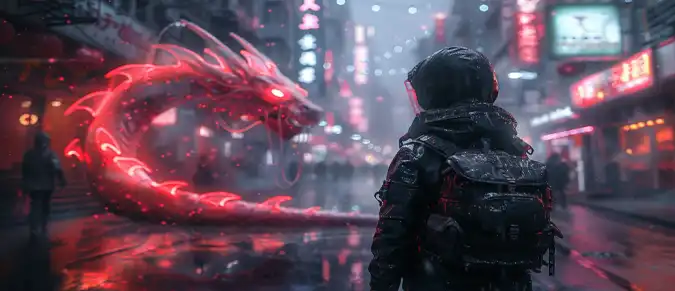

Mirror World is a Web3 ecosystem that combines gaming worlds, NFT assets, AI tools, and metaverse elements into a unified digital platform. The project operates at the intersection of GameFi, blockchain infrastructure, and artificial intelligence, offering users not only an in-game economy but also a broader virtual experience. Mirror World focuses on building interconnected gaming environments where NFTs, tokens, and digital identity become part of everyday interaction. As Web3 gaming continues to evolve, the project aims to move beyond the traditional play-to-earn model by focusing on infrastructure, user experience, and long-term metaverse development.
Contents
- What Is Mirror World
- Gaming Ecosystem and Web3 Mechanics
- NFTs, Tokens, and Digital Economy
- Advantages and Risks of the Project
- The Future of Mirror World and Metaverses
1. What Is Mirror World
Mirror World is a Web3 platform focused on creating a unified gaming ecosystem with NFTs, metaverse technologies, and AI-powered tools. The project develops an infrastructure where multiple gaming worlds and digital services are connected through a shared interaction system and internal economy.
One of Mirror World’s key features is the combination of GameFi and artificial intelligence technologies. The team views AI not as a separate tool, but as part of the overall user experience. Artificial intelligence is used to improve interaction with in-game characters, virtual assistants, and metaverse environments.
The project also focuses on making Web3 mechanics more accessible. Mirror World aims to simplify crypto wallet connectivity, NFT usage, and interaction with digital assets. This approach helps reduce the technical barrier for users unfamiliar with blockchain infrastructure.
Unlike many Web3 games focused mainly on tokens, Mirror World emphasizes the creation of a large-scale digital environment. Here, blockchain is treated as part of the ecosystem rather than the sole purpose of user participation.
2. Gaming Ecosystem and Web3 Mechanics
The structure of Mirror World is built around interconnected metaverse elements, NFT characters, and Web3 infrastructure. Users can interact with digital assets, explore virtual spaces, and participate in different gameplay scenarios within a shared ecosystem.
One of the project’s goals is to create a more accessible Web3 gaming experience. To achieve this, the team develops interfaces and mechanics that allow blockchain functionality to work without complicated technical processes. NFTs and digital assets are integrated directly into gameplay instead of existing separately from it.
Key Features of Mirror World
- Web3 gaming ecosystem;
- NFT characters and digital items;
- AI tools and virtual assistants;
- metaverse with multiple gaming worlds;
- cross-chain infrastructure;
- simplified crypto wallet integration;
- GameFi mechanics and digital economy;
- tools for Web3 game developers.
Mirror World also develops infrastructure for third-party studios. The platform provides tools that allow developers to integrate Web3 mechanics, NFTs, and AI functions into their own gaming projects.
Because of this approach, Mirror World positions itself not simply as a single game, but as a broader Web3 platform focused on metaverse and digital ecosystem development.
3. NFTs, Tokens, and Digital Economy
The economic model of Mirror World is based on NFT assets, gaming tokens, and digital ownership. Users can own in-game items, use them across the metaverse, and interact with the platform’s Web3 infrastructure through gameplay.
One of the central elements of the ecosystem is NFT characters. They serve not only as collectibles but also as part of a player’s digital identity within the platform. This reflects the growing Web3 gaming trend where NFTs become integrated into the overall user experience.
| Asset | Type | Purpose | Role in the Ecosystem |
|---|---|---|---|
| NFT Characters | Digital assets | Playable characters | Used across the metaverse |
| Gaming Tokens | Internal currency | Rewards and economy | Supports user activity |
| NFT Items | Collectibles | Customization and ownership | Expands the digital economy |
| GameFi Rewards | Motivation system | Encourages participation | Increases player engagement |
Tokens inside Mirror World are used to support gameplay activity, user interaction, and ecosystem growth. The developers aim to build a model where digital assets enhance gameplay rather than replace it.
The sustainability of such an economy depends on audience activity and demand for digital assets inside virtual worlds. That is why Mirror World develops metaverse features and AI tools alongside its token economy.
4. Advantages and Risks of the Project
One of Mirror World’s main advantages is the combination of several promising sectors at once: GameFi, metaverse technology, NFTs, and artificial intelligence. This approach makes the project more ambitious compared to traditional Web3 games focused only on play-to-earn mechanics.
Another strength is the development of infrastructure for third-party developers. Mirror World aims to create an environment where gaming studios can integrate Web3 functionality without building a complex blockchain system from scratch.
However, the project also faces significant risks. The metaverse and NFT markets remain volatile, and audience interest in Web3 gaming often depends on the broader crypto market. During bearish periods, user activity and digital asset values can decline sharply.
Competition is another challenge. Large metaverse platforms already operate in this sector, while AI technologies are becoming a standard feature of digital services. To remain competitive, Mirror World must continue expanding its ecosystem and releasing new content and mechanics.
Technical stability is also essential. Users expect intuitive interfaces, fast Web3 integrations, and smooth gaming experiences without complicated technical barriers.
5. The Future of Mirror World and Metaverses
Mirror World is developing during a period when Web3 gaming is moving away from simple earning models toward complete digital ecosystems. Users increasingly expect metaverse projects to offer not only NFTs and tokens, but also high-quality gameplay, social interaction, and AI-powered features.
The future of the project largely depends on the team’s ability to combine metaverse infrastructure, GameFi, and artificial intelligence into a sustainable ecosystem. If the developers can maintain a balance between technology and user experience, Mirror World may strengthen its position in the Web3 entertainment sector.
Many analysts believe the future of metaverses will involve the integration of AI, digital economies, and gaming worlds into unified systems. Platforms capable of making Web3 mechanics feel natural and accessible may gain a long-term advantage.
Today, Mirror World can be viewed as a project at the intersection of metaverses, GameFi, and AI infrastructure. The platform combines games, NFTs, and digital identity into a unified Web3 ecosystem while maintaining a strong focus on building a complete virtual world.











