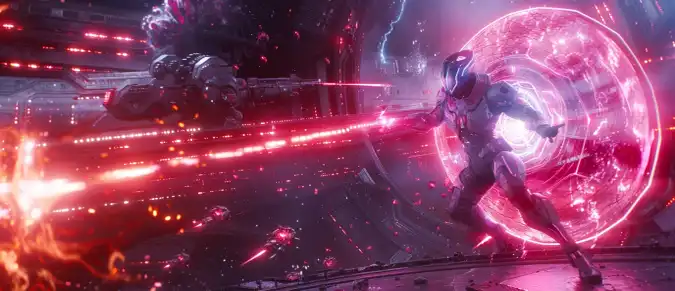

NetVRk is a large-scale blockchain-based metaverse that combines gameplay, virtual world creation, digital asset trading, and Web3 tools. The project merges creative capabilities, an advanced economic ecosystem, and modern 3D visualization technologies, turning the virtual environment into a flexible space for communication, business, entertainment, and digital content development. Thanks to the combination of Unreal Engine, an NFT-powered infrastructure, and a wide range of creator-friendly tools, NetVRk establishes a foundation for the next generation of interaction in digital reality.
Contents
- Concept and Development of the NetVRk Metaverse
- Technological Foundations of the Platform
- Economy, Tokenomics, and Digital Assets of NetVRk
- Gameplay, User Roles, and Core Mechanics
- Prospects, Advantages, and Future Directions
- Conclusion
1. Concept and Development of the NetVRk Metaverse
NetVRk is positioned as an interactive ecosystem where users can create their own locations, acquire virtual land, construct objects, interact with other participants, and take part in the metaverse economy. Unlike traditional games with fixed, limited worlds, NetVRk allows users to design their environments, transforming them into functional, aesthetic, or entertainment-oriented spaces.
The core idea of the project is to unify gameplay, social interaction, and monetization tools within a single framework. The platform aims to provide users with the ability not only to play, but also to gain tangible benefits from owning digital assets, renting land, hosting events, or producing valuable content.
This development model encourages long-term communities in which users become an integral part of the overall ecosystem rather than temporary participants. The virtual world of NetVRk is built on the principles of openness, flexibility, and accessibility, making it attractive to gamers, entrepreneurs, brands, and developers alike.
Additionally, the project’s philosophy emphasizes user autonomy and creative freedom. The development team strives to offer tools that allow every participant to influence the future of the metaverse through the creation of assets and engagement in the economy. The more content is generated, the more dynamic and rich the internal environment becomes, expanding potential use cases. In this way, NetVRk forms not just a digital world, but an evolving ecosystem driven by community activity.
2. Technological Foundations of the Platform
From a technological standpoint, NetVRk integrates several key components to ensure the quality, stability, and scalability of the metaverse. At the core of its visual systems lies Unreal Engine — one of the most powerful and modern game engines. This results in highly realistic objects, smooth animations, detailed environments, and scalable virtual worlds.
With regard to Web3 infrastructure, NetVRk supports multiple blockchain networks, providing flexibility for both users and developers. This approach enables integration of different token standards, compatibility with external wallets, and streamlined operation with NFT assets.
The platform’s creation tools make world-building and asset customization accessible even to users without programming knowledge. Editors, material libraries, templates, and configurable systems allow participants to rapidly develop their own environments.
Key Technological Elements of NetVRk Technology Purpose Advantages Unreal Engine Core visual and gameplay foundation of the metaverse High-end graphics, scalability, realistic physics Web3 Integration Interaction with blockchain networks, NFTs, and tokens Transparency, asset ownership, security Creator Tools Creation of objects and worlds without coding Accessibility, flexibility, low entry barrier Multichain Architecture Support for multiple blockchains Convenience, expanded capabilities
NetVRk’s technological foundation continues to evolve as the project grows, ensuring adaptability to future innovations. The team plans to introduce modular systems that enable integration of external tools and third-party solutions. This approach creates a scalable infrastructure capable of adjusting to new requirements and user scenarios. As a result, the metaverse stays relevant and competitive amid the rapid expansion of Web3 technologies.
3. Economy, Tokenomics, and Digital Assets of NetVRk
The economic model of NetVRk is built around its native token, which supports interaction between users and the ecosystem. The token is used for purchasing assets, renting land, participating in events, trading, and creating content. Moreover, digital assets acquired within the metaverse can generate revenue for their owners.
The ecosystem includes various types of digital goods: land plots, vehicles, items, characters, accessories, and other infrastructure elements. All assets exist in the form of NFTs, confirming their uniqueness and ownership.
- Virtual land plots — allow construction of buildings, scenes, and event spaces.
- NFT items — unique objects that can be bought, sold, or used in gameplay.
- Asset income — users can earn from renting land or selling content.
- In-world marketplace — a full-featured market for digital goods.
- Play-and-Earn mechanics — gameplay systems where players earn through achievements and victories.
The project's tokenomics is designed to stimulate participation and maintain a sustainable digital economy. Users can act as both players and investors, benefiting from the development and ownership of their assets.
An additional advantage is the ability to reinvest profits into upgrading territories or creating new assets. Well-developed plots tend to attract greater attention from other users. The balance between NFT supply and demand stimulates market growth, making the ecosystem vibrant and dynamic. Thus, the economy of NetVRk adapts organically to user activity and evolves alongside the community.
4. Gameplay, User Roles, and Core Mechanics
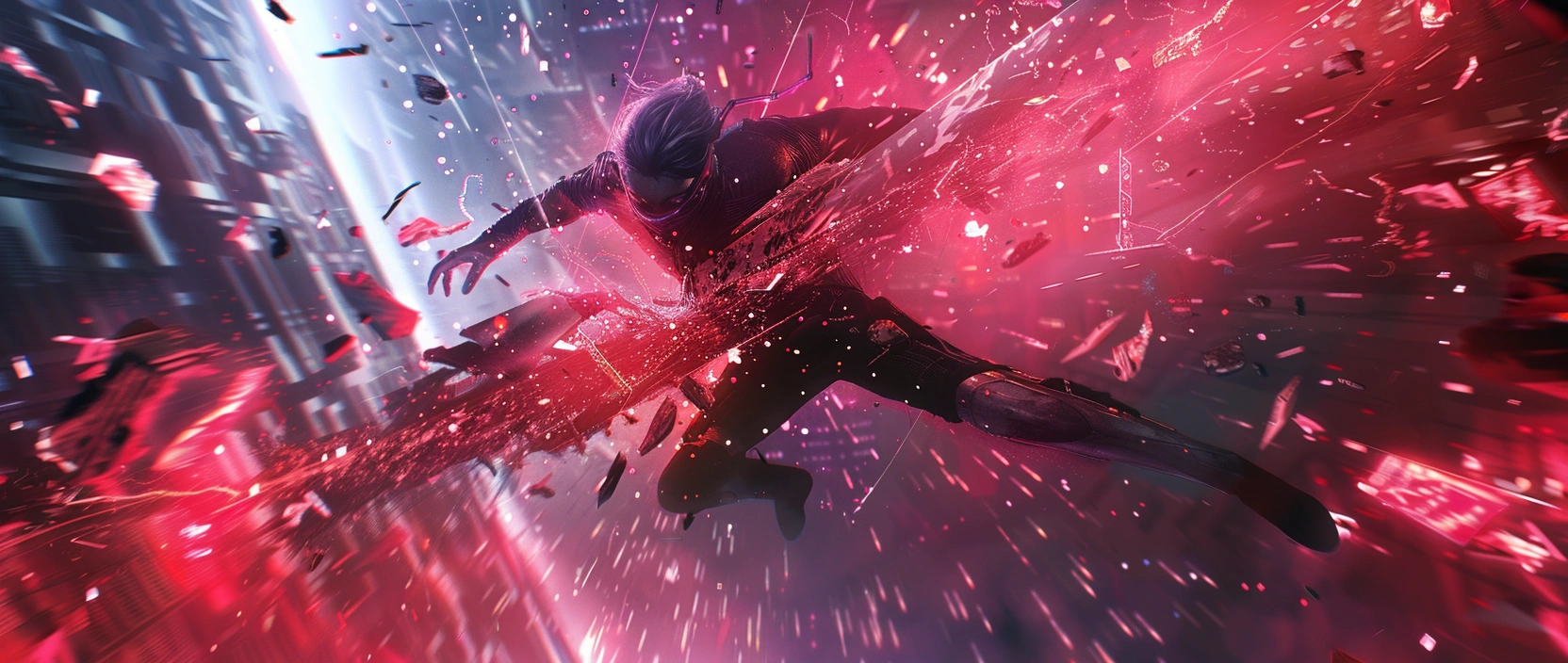
The platform offers various forms of engagement with the metaverse. Users can dive into gameplay, explore worlds created by others, participate in events, or focus on building their own spaces. The gameplay combines adventure elements, competitive modes, and social interaction.
Games developed within NetVRk take advantage of Unreal Engine’s capabilities, enabling diverse experiences — ranging from dynamic PvP modes to immersive exploration scenarios. User roles are varied as well: participants can become builders, event organizers, collectors, entrepreneurs, designers, shoppers, or battle participants.
Every user-created object becomes part of the metaverse’s visual and economic ecosystem. This creates a strong connection between gameplay, social activity, and economic incentives, making the time spent in NetVRk multifaceted and engaging.
In addition, the platform is expanding its social interaction features, allowing users to host exhibitions, competitions, concerts, and themed meetups. Communities can form interest-based clubs and groups. VR technology support enhances immersion, strengthening the social and creative aspects of the experience. As a result, NetVRk functions not only as a game but also as a fully-fledged social environment.
5. Prospects, Advantages, and Future Directions
NetVRk is shaping a powerful platform for the next generation of digital environments. Thanks to its strong technological foundation, creator-friendly tools, Web3 integration, and focus on user creativity, the project has the potential to become a major player in the metaverse industry.
NetVRk’s advantages include accessible creation tools, a well-developed economy, monetization opportunities, and appeal across various audiences — gamers, brands, organizations, and creators. The platform is suitable for digital events, educational programs, virtual offices, interactive showrooms, and entertainment spaces.
Future expansions may include external service integrations, AI-based systems, new game modules, and enhanced tools for businesses. All of these prospects strengthen the project’s long-term potential.
NetVRk’s orientation toward brand and enterprise partnerships deserves special mention. Immersive 3D environments can serve as new channels for product promotion and customer interaction. Virtual events offer fresh opportunities for conferences and presentations. Given the rising interest in metaverse technologies, such solutions may soon become a new standard for digital communication.
6. Conclusion
NetVRk is a well-designed project aimed at building a modern metaverse that merges high-end graphics, decentralized economics, and flexible creative tools. The platform is geared toward long-term development, offering a space where users can play, create, earn, connect, and host events.
Combining technical innovation, thoughtful tokenomics, and user-centered philosophy, NetVRk has the potential to become one of the leading platforms in the emerging metaverse market. It provides not just a virtual world, but a complete environment for self-expression, investment, and Web3 interaction. As the ecosystem grows, new tools and user-driven content development will further reinforce its evolution. With continued refinement of its social and gameplay mechanics, NetVRk may set the benchmark for next-generation digital worlds, establishing a solid foundation for future innovation.











