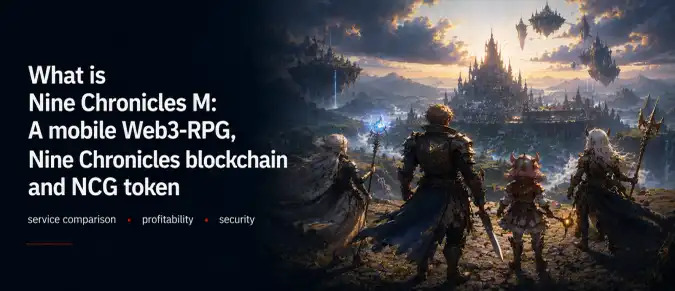

Nine Chronicles M is the mobile version of the decentralized RPG that expands on the original Nine Chronicles, where gameplay, the in-game economy, and character progression operate on an open blockchain infrastructure. The project combines idle RPG mechanics, equipment collection, crafting, and a digital asset economy without relying on traditional centralized game servers. The mobile edition preserves the core mechanics of the original game while optimizing the interface and controls for smartphones. The ecosystem is powered by the dedicated Nine Chronicles blockchain and the NCG token, connecting player progression with an open Web3 economy.
Contents
- What Is Nine Chronicles M and How Does the Blockchain Game Work?
- Gameplay, Character Progression, Crafting, and the In-Game Economy
- How Nine Chronicles M Differs from Other Web3 Games
- The Nine Chronicles Blockchain, NCG Token, and NFT Assets
- Risks and Future Prospects of Nine Chronicles M
1. What Is Nine Chronicles M and How Does the Blockchain Game Work?
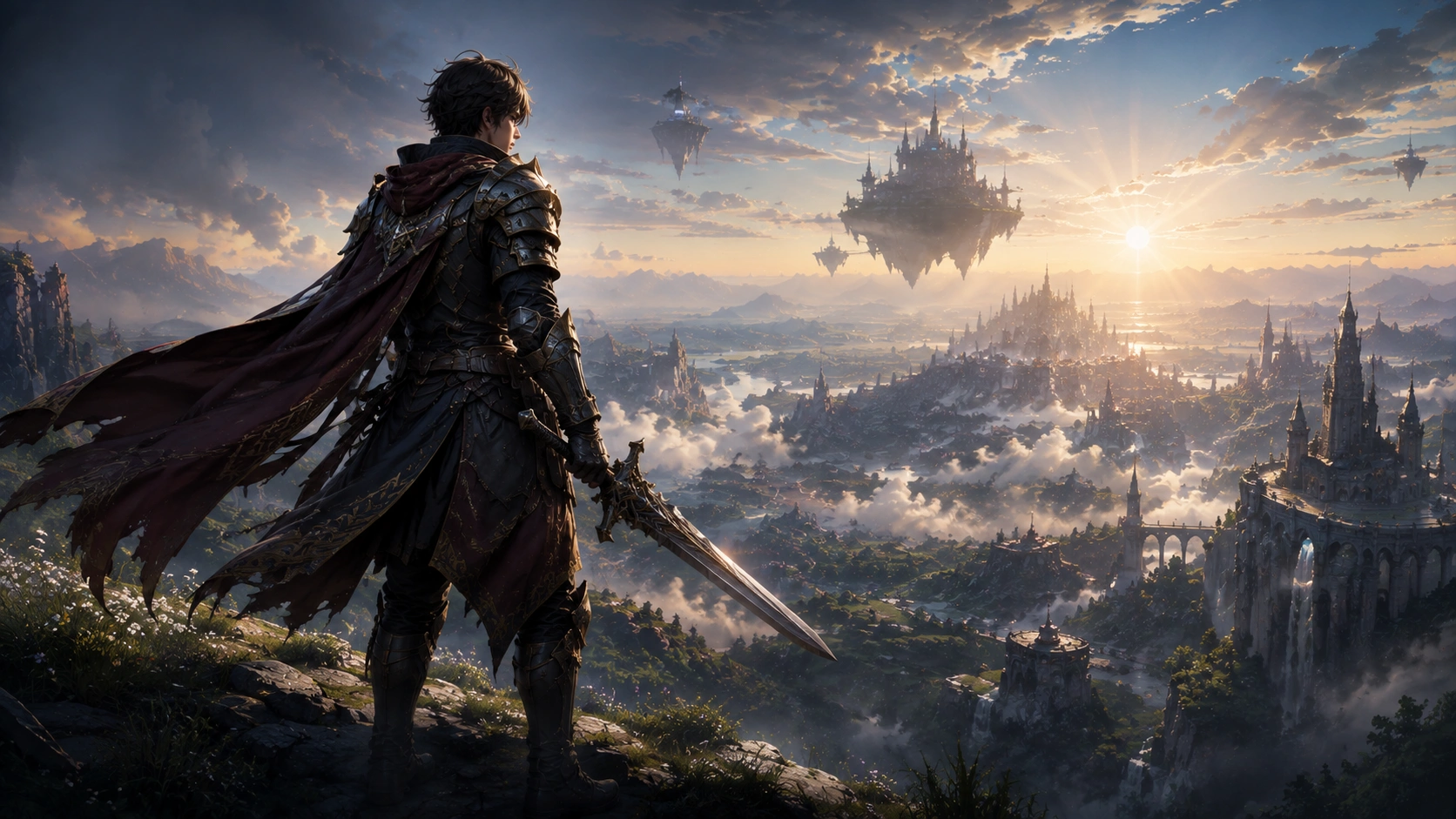
Nine Chronicles M is a mobile RPG built on an open blockchain infrastructure, where game data, the economy, and many core mechanics operate within a decentralized network. Unlike most Web3 projects, blockchain technology is used not only to manage digital assets but also to support a significant portion of the game's underlying logic.
The project is based on the Nine Chronicles universe, an open-source RPG developed by Planetarium Labs. Instead of relying on the traditional client-server architecture, it runs on its own decentralized blockchain network, allowing participants to maintain the ecosystem without a single central server.
The mobile version brings the core gameplay experience to smartphones while preserving character progression, crafting systems, world exploration, and interaction with the shared in-game economy. As a result, players can access the same ecosystem regardless of their preferred platform.
The project's defining feature is its combination of RPG gameplay with an open economy, where in-game items, resources, and transactions are integrated directly into the blockchain infrastructure.
2. Gameplay, Character Progression, Crafting, and the In-Game Economy
The gameplay revolves around gradually developing a hero. Players complete story stages, explore new regions, battle monsters, collect materials, and craft increasingly powerful equipment.
Crafting is one of the game's central mechanics. Weapons, armor, and equipment are created using resources gathered during adventures. Higher-tier items require larger quantities of materials and longer production times, making resource management an important part of progression.
- character progression through PvE adventures;
- automated turn-based battles;
- weapon and equipment crafting;
- resource gathering;
- item upgrades;
- trading digital assets;
- using the NCG token;
- mobile access to the shared Nine Chronicles ecosystem;
- decentralized in-game economy.
In addition to the main storyline, players can improve their equipment, participate in various game modes, and engage with the platform's economy. Much of the long-term progression depends on effective resource management and strategic decision-making.
The in-game economy is closely connected to crafting and item circulation between players. As a result, the value of individual resources is influenced not only by gameplay but also by activity across the broader ecosystem.
3. How Nine Chronicles M Differs from Other Web3 Games
Most blockchain games primarily use distributed networks to store NFTs and process financial transactions. Nine Chronicles M goes further by integrating blockchain technology into many aspects of the gameplay itself through its own decentralized network.
Another distinguishing feature is its open-source architecture. This approach allows the community to contribute to ecosystem development while providing greater transparency compared with traditional closed gaming platforms.
| Model | Core Gameplay | Role of Blockchain | Key Feature |
|---|---|---|---|
| Nine Chronicles M | RPG and crafting | Game logic and economy | Dedicated decentralized blockchain |
| Traditional Play-to-Earn | Earning rewards | NFTs and tokens | Token-based incentives |
| NFT RPG | Character progression | Digital ownership | NFT-based items |
| Traditional Mobile RPG | PvE and character growth | Not used | Centralized game servers |
A major distinction is the absence of dependence on a single centralized game server. Network maintenance is distributed among participants, reflecting the principles of decentralized applications.
At the same time, the gameplay remains familiar to RPG players and does not require constant interaction with complex Web3 tools during everyday play.
4. The Nine Chronicles Blockchain, NCG Token, and NFT Assets
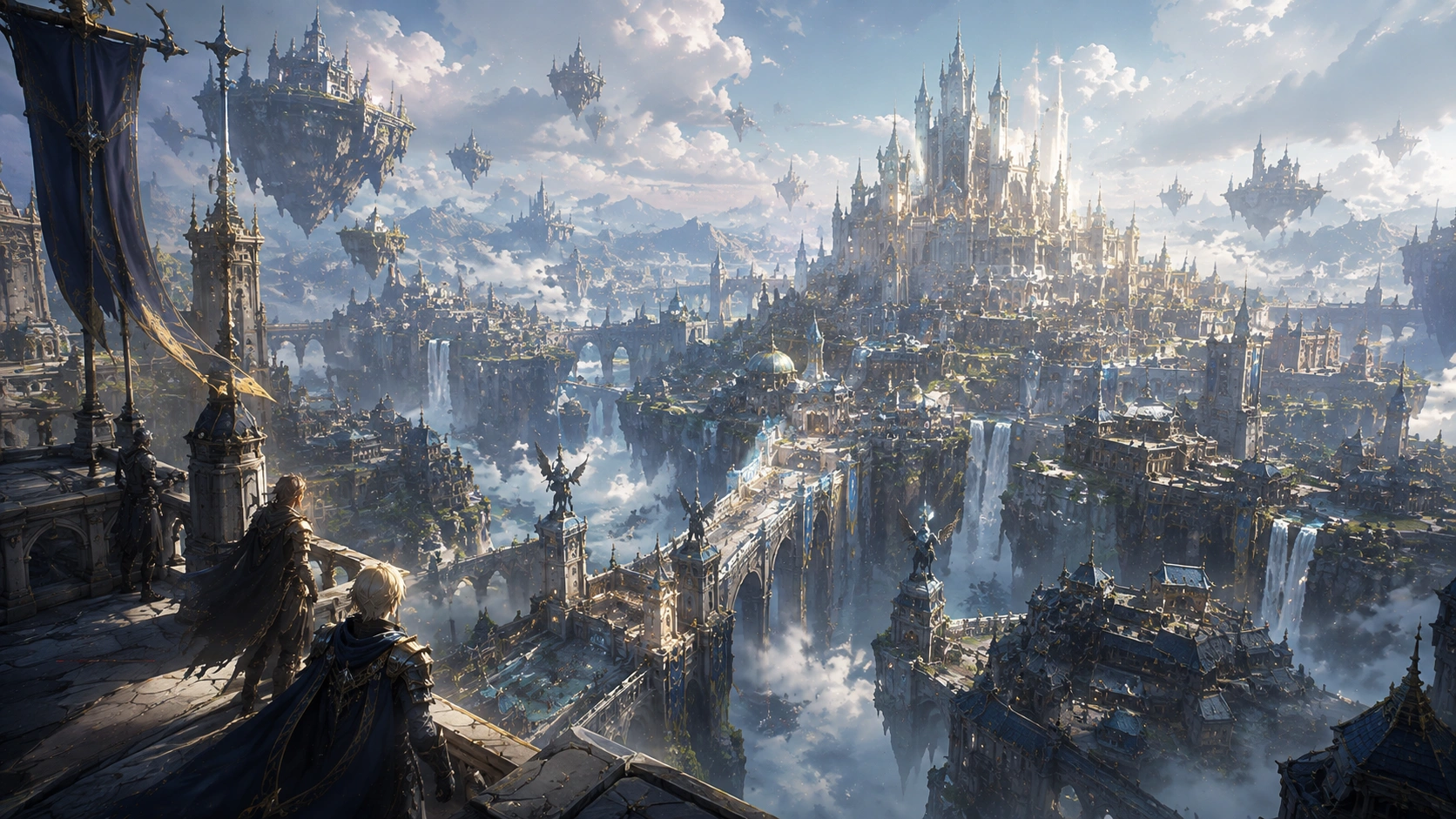
The ecosystem is built around the proprietary Nine Chronicles blockchain, specifically designed for gaming applications. Unlike projects that rely on existing public networks, it uses a specialized infrastructure optimized for decentralized game economies.
The primary digital asset is Nine Chronicles Gold (NCG), which is used for trading, crafting, various in-game operations, and interactions within the ecosystem's economy.
Game items can exist as blockchain-based digital assets, while the open marketplace enables players to exchange equipment and resources. The market value of these assets depends on demand, rarity, and their practical utility within the game.
The mobile version is fully integrated with the broader Nine Chronicles ecosystem, allowing players to participate in the same shared economy regardless of the device they use.
5. Risks and Future Prospects of Nine Chronicles M
One of the project's primary challenges is maintaining a healthy balance between the in-game economy and player experience. The value of resources, equipment, and the NCG token depends on player activity, requiring careful management of token issuance, crafting rates, and asset circulation.
Additional risks are associated with operating a dedicated blockchain infrastructure. Network performance, protocol security, and node stability directly affect the reliability of the entire ecosystem.
The project also competes with both traditional mobile RPGs and other Web3 games. Long-term success will depend on regular content updates, expanded gameplay features, and continued community engagement.
At the same time, Nine Chronicles M demonstrates a distinctive vision of blockchain gaming, where blockchain serves as part of the game's core architecture rather than simply a financial layer. If the project continues to expand its mobile ecosystem, improve its economy, and maintain an active community, it has the potential to remain one of the most technologically innovative decentralized RPGs in the Web3 gaming sector.











