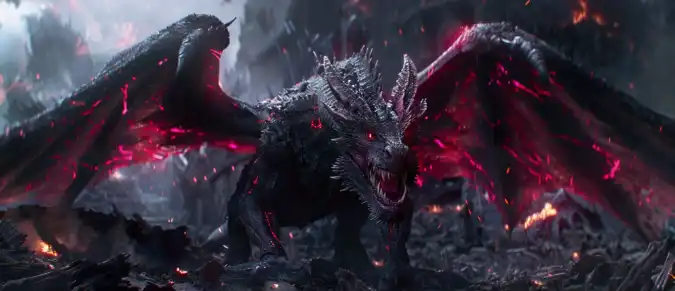

Origins: The Fall of Azoria is a role-playing game with a deep narrative foundation, developed within the Dreams Quest ecosystem, where classic RPG gameplay is combined with Web3 capabilities. The project emphasizes storytelling, character progression, and tactical combat, using blockchain as an infrastructural tool rather than a dominant feature. This approach allows Origins to position itself not merely as a GameFi product, but as a full-fledged RPG focused on long-term player engagement and meaningful gameplay.
Contents
- The World of Azoria and Narrative Structure
- Gameplay Mechanics and RPG Systems
- Blockchain and NFT Integration
- Economy and In-Game Assets in Origins: The Fall of Azoria
- The Dreams Quest Ecosystem and Future Development
- Conclusion
1. The World of Azoria and Narrative Structure
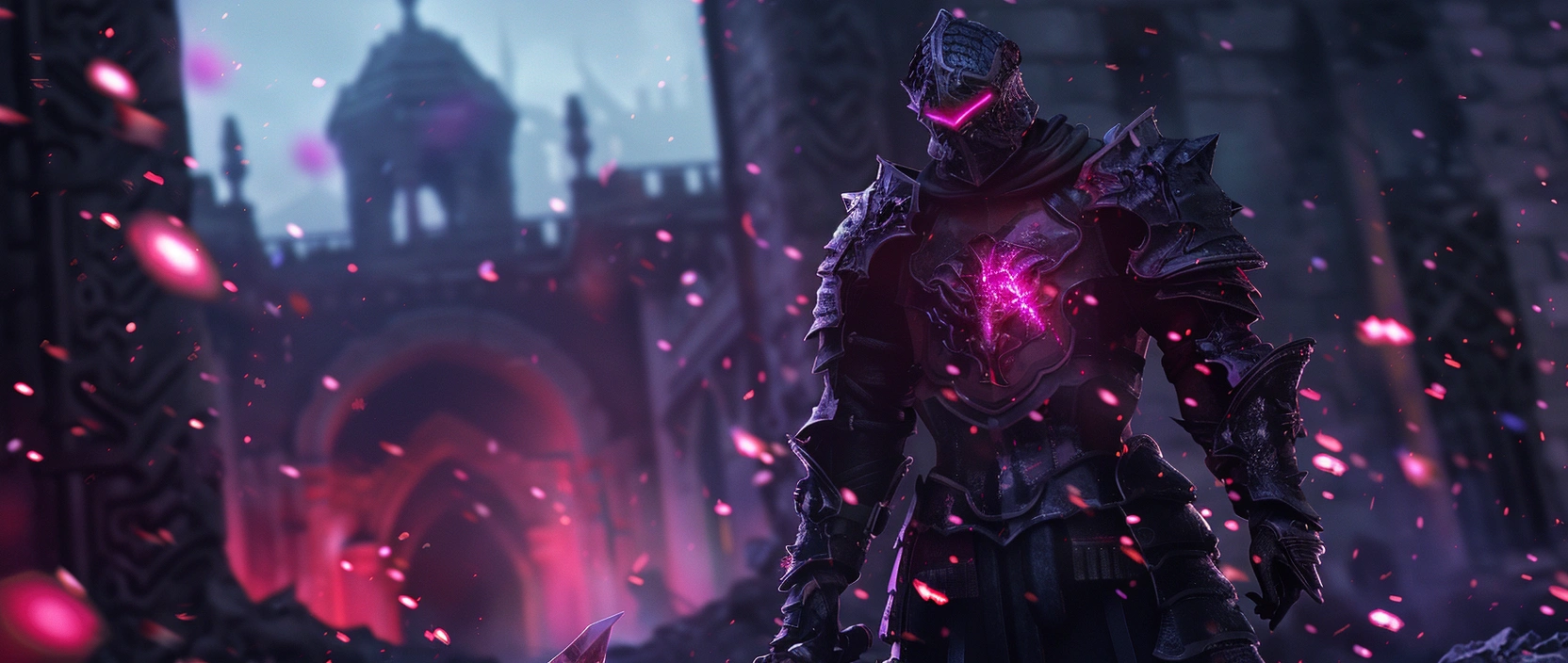
The universe of Azoria is a fantasy world in decline after large-scale catastrophes and prolonged conflicts. The game’s story revolves around the struggle between ancient forces, political factions, and powerful magical artifacts that shape the course of history. The player is not a passive observer — their decisions and actions influence how events unfold and which narrative paths become available.
The world is divided into regions, each with its own history, culture, and visual identity. This creates a sense of a coherent and living universe where the environment is closely tied to the narrative. Quests go beyond standard objectives, often revealing character backstories and the deeper causes of global conflicts.
In addition, storytelling is delivered through dialogue, in-game events, and environmental details rather than text alone. The narrative develops in a non-linear way, allowing players to interpret events differently. This approach enhances emotional immersion and makes each playthrough feel more personal. As a result, Azoria is perceived as a self-contained world rather than a simple backdrop for mechanics.
2. Gameplay Mechanics and RPG Systems
The gameplay of Origins: The Fall of Azoria is built on traditional RPG foundations, including character progression, tactical turn-based combat, and party management. Players assemble a team of heroes, choose combat strategies, and adapt their playstyle to specific challenges.
Key gameplay mechanics include:
- Turn-based combat with tactical positioning.
- Character progression through skills, classes, and equipment.
- Main and side quests tied to the world’s factions.
- Exploration of locations and interaction with NPCs.
The progression system encourages deliberate choices rather than linear growth. Different combinations of characters and abilities unlock alternative tactical solutions. This increases replayability and motivates players to experiment with party composition. As a result, gameplay remains engaging even over long sessions.
3. Blockchain and NFT Integration
In Origins, blockchain serves as a supporting technology that ensures transparency of ownership and long-term preservation of digital assets. NFTs appear as unique characters, equipment items, and collectible elements that hold value within the game world.
One of the key features is that owning NFTs is not mandatory to start playing. Users can fully engage with the game without upfront investment and gradually explore Web3 mechanics at their own pace. This significantly lowers the entry barrier and distinguishes the project from many GameFi titles.
Moreover, NFTs do not disrupt game balance, as they do not provide absolute combat advantages. Their value is primarily linked to uniqueness, lore, or rarity. This approach reduces pay-to-win effects and supports a fair competitive environment. As a result, Web3 elements are organically integrated into the overall game design.
4. Economy and In-Game Assets in Origins: The Fall of Azoria
The economic model of Origins is built around in-game resources and tokens used for character development, trading, and ecosystem participation. The developers emphasize economic sustainability and deliberately avoid aggressive monetization strategies. A key principle is the close connection between economic processes and gameplay actions, ensuring that asset value is generated through play rather than external markets. This helps maintain balance between player interests and long-term system stability.
| Economic Element | Purpose | Role in the Game |
|---|---|---|
| In-game resources | Character progression | Hero development and power growth |
| NFT assets | Unique items and heroes | Collectible and gameplay value |
| Ecosystem tokens | Trading and participation | Link between economy and gameplay |
The economic system encourages active play rather than passive accumulation of resources. Rewards are directly tied to completing content, finishing quests, and developing characters, which supports natural asset circulation within the game. This approach helps sustain internal demand and prevents the economy from shifting toward purely speculative behavior. As a result, the economy remains an organic part of gameplay rather than a separate financial layer.
5. The Dreams Quest Ecosystem and Future Development
Origins: The Fall of Azoria is part of the broader Dreams Quest ecosystem, which brings together games, digital assets, and Web3 infrastructure. The team follows a phased development strategy, regularly adding new content and expanding gameplay systems.
Project development includes new story chapters, additional game modes, and technical improvements. Community interaction plays an important role, allowing the game to evolve in line with player expectations.
The ecosystem is designed to enable interoperability between projects, where assets and achievements may have relevance beyond a single game. This creates the foundation for a shared game universe and enhances long-term content value. In the future, Dreams Quest may become a platform hosting multiple interconnected Web3 games.
6. Conclusion
Origins: The Fall of Azoria demonstrates a mature approach to integrating blockchain technology into RPGs. The project prioritizes narrative depth, gameplay quality, and world-building, using Web3 as a tool to expand possibilities rather than as the primary source of value.
This combination of classic game design principles and modern technology allows Origins to stand out among blockchain games and establish a sustainable development model. In the long term, the project has the potential to attract both traditional gamers and the Web3 audience, creating a bridge between the two worlds.
Additionally, the game lays the groundwork for expanding the Azoria universe through new chapters, gameplay modes, and connected digital assets. This opens the door to a long-lived ecosystem where content, economy, and community evolve in parallel.











