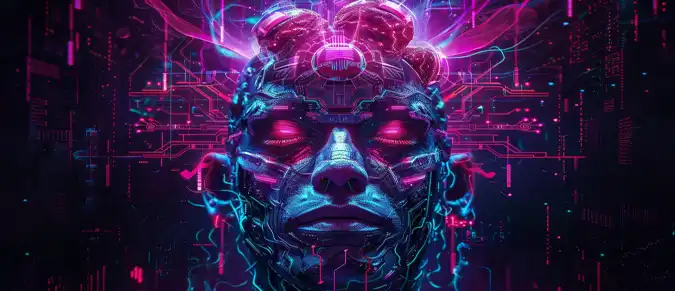

Parallel TCG is a next-generation trading card game created at the intersection of classic game design and blockchain technology. The project stands out among most Web3 games by prioritizing gameplay depth over speculative earning models. The team at Parallel Studios aims to demonstrate that decentralized technologies can seamlessly enhance traditional mechanics without compromising balance or competitive integrity.
The game combines a carefully crafted sci-fi universe, an NFT-based economy with true asset ownership, and a high level of artistic execution. As a result, Parallel TCG appeals not only to the crypto audience but also to fans of classic strategic card games. An active and engaged community has played a key role in shaping the project’s popularity by participating in discussions about its future. This article explores the core aspects of the game, bringing together technical, gameplay, and economic perspectives into a cohesive overview.
Contents
- The Concept and Philosophy of Parallel TCG
- The Game Universe and Factions
- Parallel TCG Gameplay and Core Mechanics
- Blockchain, NFTs, and the Economic Model
- Project Development and Final Thoughts
1. The Concept and Philosophy of Parallel TCG
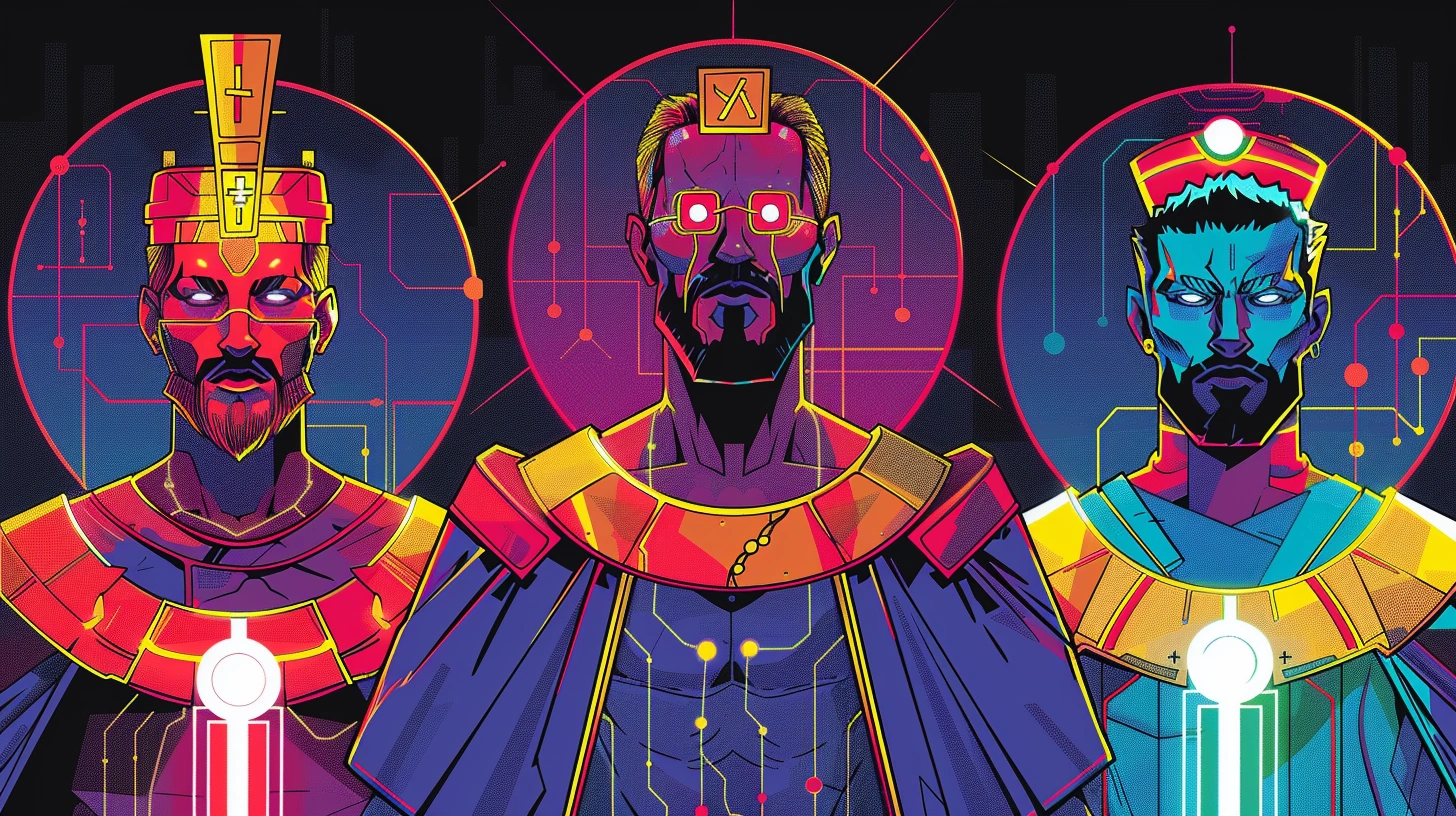
At its core, Parallel TCG is built around the idea of a “fair” digital card game in which players truly own their assets. Unlike traditional online TCGs, where cards effectively belong to the publisher, each item in Parallel exists as an NFT recorded on the blockchain. This fundamentally changes how a collection is perceived, turning it into an independent and verifiable digital asset.
At the same time, the developers deliberately distance themselves from the classic play-to-earn model. Parallel’s economy is designed to preserve competitive balance between players with different levels of investment. Strategic thinking, understanding the meta, and adapting to opponents matter far more than the number of tokens held or the rarity of cards owned.
Long-term development is a central pillar of the project’s philosophy. Parallel TCG is not viewed as a one-off product, but as a foundation for an expandable ecosystem that may include new game modes, digital collections, and elements of decentralized governance. This approach helps the project remain relevant even as market conditions change and reinforces trust through transparency and open communication with the community.
2. The Game Universe and Factions
The world of Parallel TCG is a science-fiction universe shaped by a global catastrophe. After this pivotal event, humanity fractured into several “Parallels” — alternative paths of evolution, each representing a distinct vision of the future. These factions form the foundation of both the game’s narrative and its core gameplay decisions.
Every Parallel features its own ideology, visual identity, and strategic approach. The lore extends far beyond brief card descriptions, unfolding through official publications, detailed artwork, and in-game elements that together create a cohesive and internally consistent universe.
Key Characteristics of the Factions
- distinct gameplay mechanics and combat styles;
- a unique philosophy and self-contained storyline;
- a recognizable visual and artistic direction;
- varying levels of complexity for newcomers and experienced players.
A defining feature of Parallel TCG is the close integration between narrative and mechanics. Each faction’s philosophy is directly reflected in how it plays on the battlefield, making the choice of a Parallel both a thematic and strategic decision. As a result, players become more deeply immersed in the universe and strongly identify with their chosen side of the conflict.
3. Gameplay and Core Mechanics
Parallel TCG follows the classic turn-based structure typical of the trading card game genre. Players build decks by selecting cards based on synergy, cost, and strategic intent. Every decision — from playing a single card to managing resources — can directly influence the outcome of a match.
One of the game’s defining strengths is the depth of interaction between cards. Abilities, effects, and activation conditions create a layered system that rewards careful planning. Even experienced players continue to discover new tactical possibilities, ensuring that the meta evolves over time.
Balance is maintained through regular updates and ongoing analysis of gameplay data. The development team works closely with the community to address problematic elements and prevent long-term dominance by a single strategy. This approach supports a healthy competitive environment and makes the game appealing to both casual players and hardcore tacticians.
4. Blockchain, NFTs, and the Economic Model
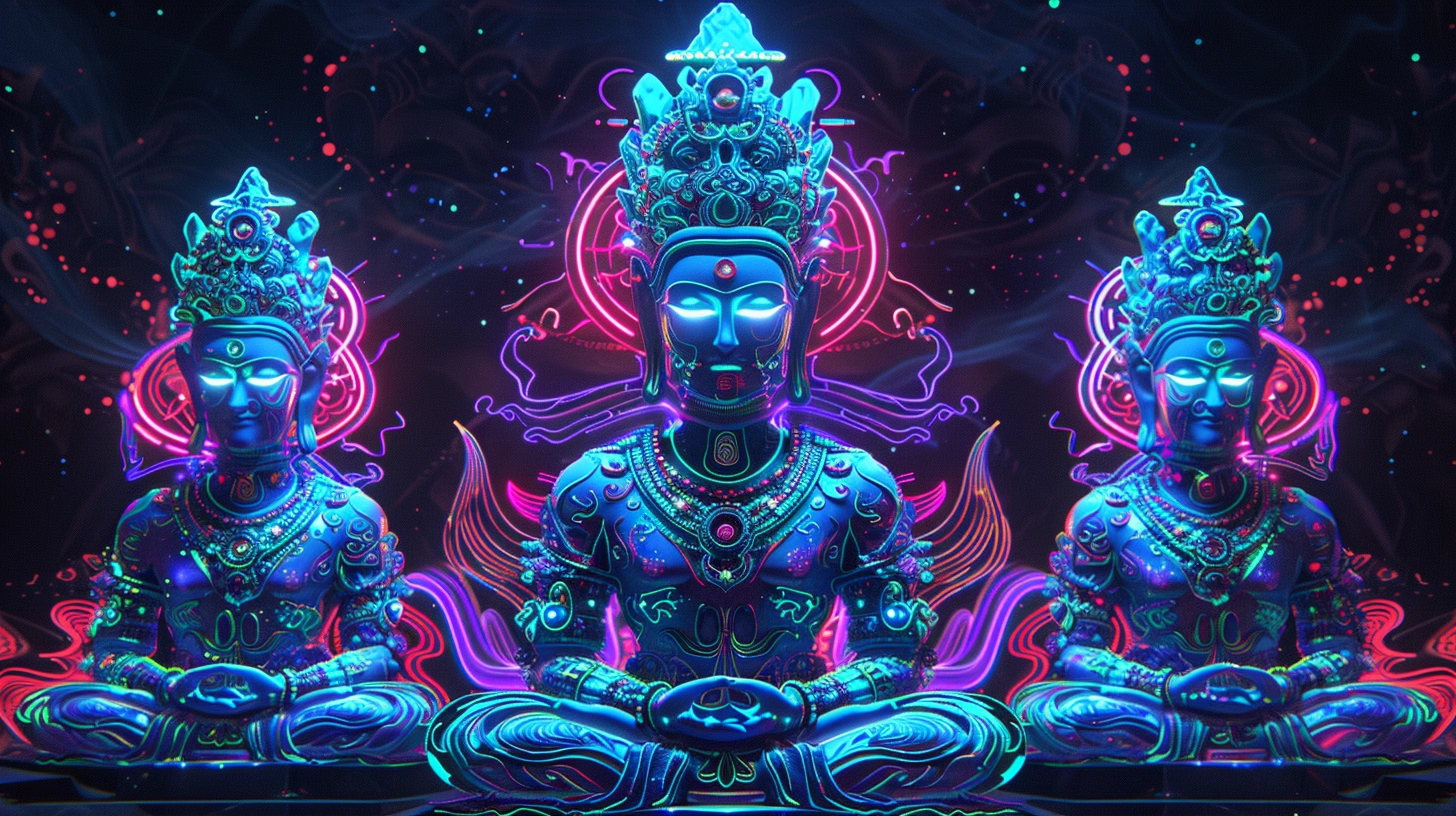
The technological foundation of Parallel TCG is Ethereum, combined with scalable Layer 2 solutions. This setup helps reduce transaction fees and makes interaction with digital assets more accessible to a broader audience. All game cards exist as unique NFT tokens, allowing ownership to be verified and authenticity to be confirmed directly on-chain.
The project’s economy is centered on the practical utility of assets rather than short-term speculation. NFT cards are used directly in matches and influence deck construction, synergies, and long-term strategic planning. In addition, the ecosystem includes a governance token that enables the community to participate in voting and shape development priorities.
Key Elements of the Parallel Ecosystem
| Element | Purpose | Player Value |
|---|---|---|
| NFT Cards | Game assets | Used in matches and for collecting |
| Governance Token | DAO mechanics | Participation in voting and project development |
| Smart Contracts | Infrastructure | Transparency and asset authenticity guarantees |
Particular attention is given to lowering the technical barrier for new players. Many blockchain processes are hidden behind a user-friendly interface, making NFT usage feel natural and unobtrusive. As a result, Parallel TCG is designed not only for experienced Web3 users, but also for a traditional gaming audience that values clarity and comfort.
5. Project Development and Conclusion
Parallel TCG continues to evolve, gradually expanding both its gameplay content and technical foundation. The team focuses on sustainable growth, avoiding abrupt decisions that could harm balance or the in-game economy. This philosophy clearly distinguishes the project from many blockchain games driven by short-term hype.
In the long term, Parallel has the potential to become a full-fledged franchise, uniting games, digital collectibles, and media content into a single ecosystem. Even now, the project demonstrates that blockchain technology does not have to be an end in itself, but can instead serve as a tool that enhances the overall gaming experience.
Ultimately, Parallel TCG stands as an example of a mature Web3 project where technology supports gameplay rather than replacing it. This balance makes the game appealing both to players and to long-term participants in digital ecosystems. The project already sets a benchmark for what future blockchain-based games can achieve.











