
Pixelmon TCG is a mobile blockchain-based trading card game built around the Pixelmon ecosystem and the MON token. The project combines collectible creatures, digital ownership, and fast-paced card battles, where success depends not only on powerful cards but also on effective resource management. Rather than focusing solely on NFTs or tokenized assets, the game integrates familiar TCG mechanics with Web3 infrastructure to create a more accessible gaming experience. This article explores how Pixelmon TCG works, how it differs from traditional trading card games, and the key factors players should consider before getting involved.
Contents
- What Is Pixelmon TCG and Its Role in the Pixelmon Ecosystem
- Cards, Mana, and Battle Phases
- Blockchain Infrastructure and the Role of MON Protocol
- Pixelmon TCG Compared with Other Web3 Trading Card Games
- Project Outlook, Risks, and Final Thoughts
1. What Is Pixelmon TCG and Its Role in the Pixelmon Ecosystem
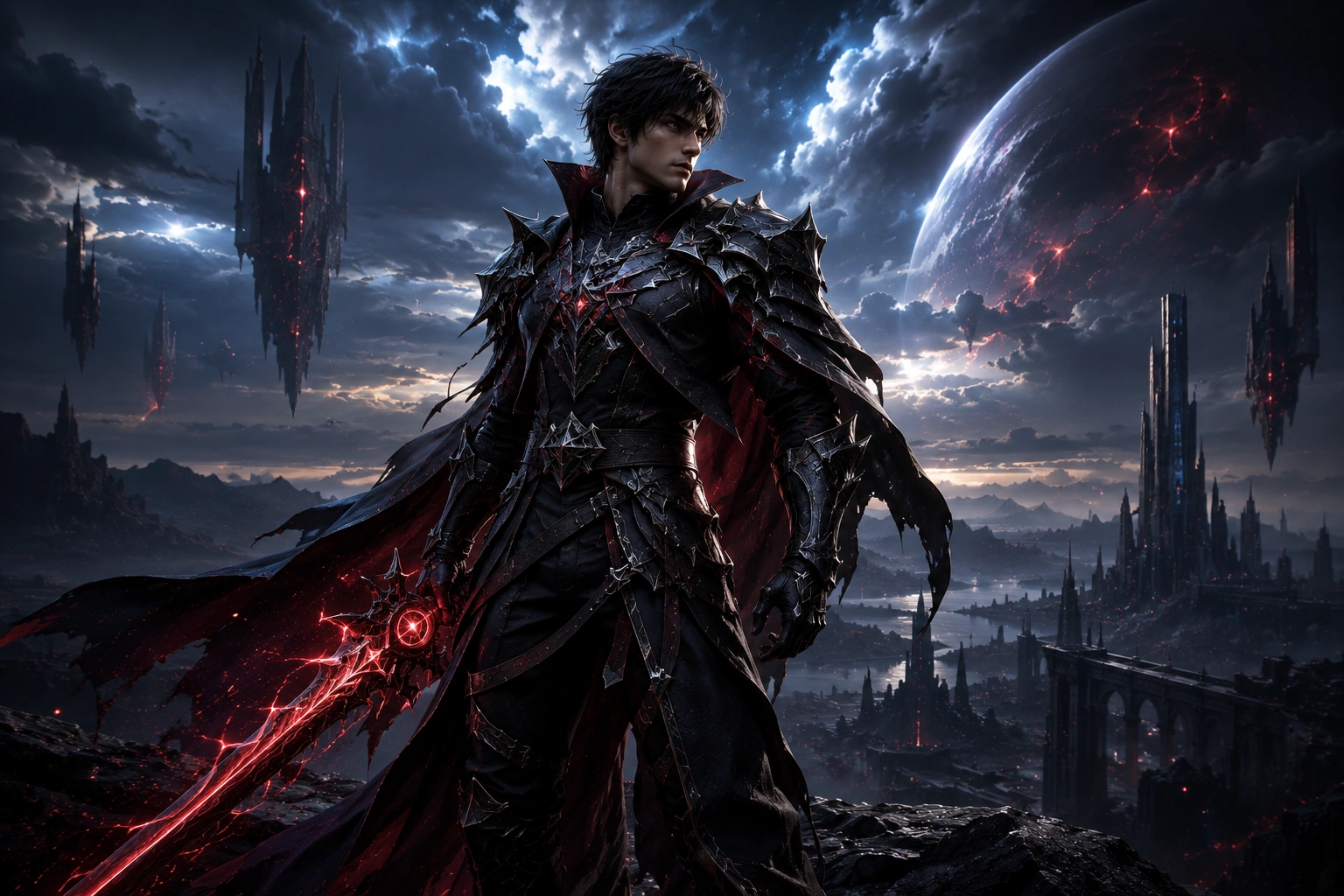
Pixelmon TCG is a trading card game set in the Pixelmon universe, which revolves around collectible creatures, PvP battles, digital assets, and a broader Web3 entertainment franchise. Unlike the project's original NFT collection, the TCG focuses on practical gameplay, allowing players to build decks, summon creatures, cast spells, and compete in fast-paced strategic matches.
The developers describe Pixelmon TCG as a mobile-first trading card game designed primarily for smartphones. This approach is particularly important within the GameFi sector, where many early blockchain games required external wallets, complex onboarding processes, and extensive knowledge of cryptocurrency technologies. Pixelmon TCG aims to simplify that experience by placing gameplay first while introducing blockchain features as an optional layer.
Following its relaunch, the Pixelmon brand expanded beyond a single game. The ecosystem now includes multiple gaming experiences, NFT collections, the MON token, blockchain partnerships, and plans for additional media projects such as anime content and mobile RPGs. As a result, Pixelmon TCG should be viewed as one component of a broader ecosystem rather than a standalone title.
2. Cards, Mana, and Battle Phases
The primary objective of a match differs from the traditional trading card game formula of simply reducing an opponent's health to zero. Instead, players compete by shifting a shared battle meter through attacks performed by creatures and spells. This design creates a faster pace because every successful action immediately influences the overall balance of the match.
Each match follows a structured turn sequence consisting of a starting phase, a main phase, and an ending phase. During the main phase, players summon Mons, play spell cards, and launch attacks. Since the battlefield is divided into dedicated zones and positions, both deck composition and unit placement play an important strategic role.
- Mon Cards represent creatures with unique health, attack values, elemental types, and abilities.
- Spell Cards provide one-time effects such as direct damage, control mechanics, or temporary buffs.
- The Battlefield is divided into combat zones where creatures interact based on their positions.
- The Graveyard stores defeated or discarded cards.
- The Mana Scale determines the resources available for playing cards and executing actions.
Mana management is one of the game's defining mechanics. Spending large amounts of mana may strengthen an opponent's options during their next turn, making expensive plays risky in certain situations. Players must carefully evaluate tempo, anticipate counterplays, and consider the long-term impact of every decision.
Deck construction is equally important, as the effectiveness of individual cards depends heavily on their synergy with other cards in the deck. Victories are typically achieved through efficient resource management, proper timing, and the ability to adapt to an opponent's strategy. This emphasis on tactical decision-making reduces the influence of randomness compared to many traditional card games where the order of drawn cards can have a greater impact on the outcome.
3. Blockchain Infrastructure and the Role of MON Protocol
The Web3 layer of Pixelmon TCG is built around the concept of digital ownership and the MON Protocol ecosystem. The MON token was introduced as a core component of the protocol, supporting the broader Pixelmon ecosystem, NFT holders, and the continued development of gaming products. Within the trading card game, this creates a connection between gameplay progression and the wider digital economy surrounding the Pixelmon brand.
Pixelmon previously announced its integration with Immutable zkEVM, focusing on lower-cost gaming transactions and compatibility with the Ethereum Virtual Machine ecosystem. The project has also partnered with Avalanche to support mobile Web3 gaming and future ecosystem expansion. These partnerships demonstrate that the development team views blockchain as a flexible infrastructure layer rather than a feature limited to a single network.
It is important to distinguish gameplay from investment expectations. The presence of NFTs, tokens, or on-chain assets does not guarantee financial returns. For most players, the value of Pixelmon TCG should be measured by gameplay quality, competitive balance, community activity, and the sustainability of its in-game economy rather than speculation about token prices.
4. Pixelmon TCG Compared with Other Web3 Trading Card Games
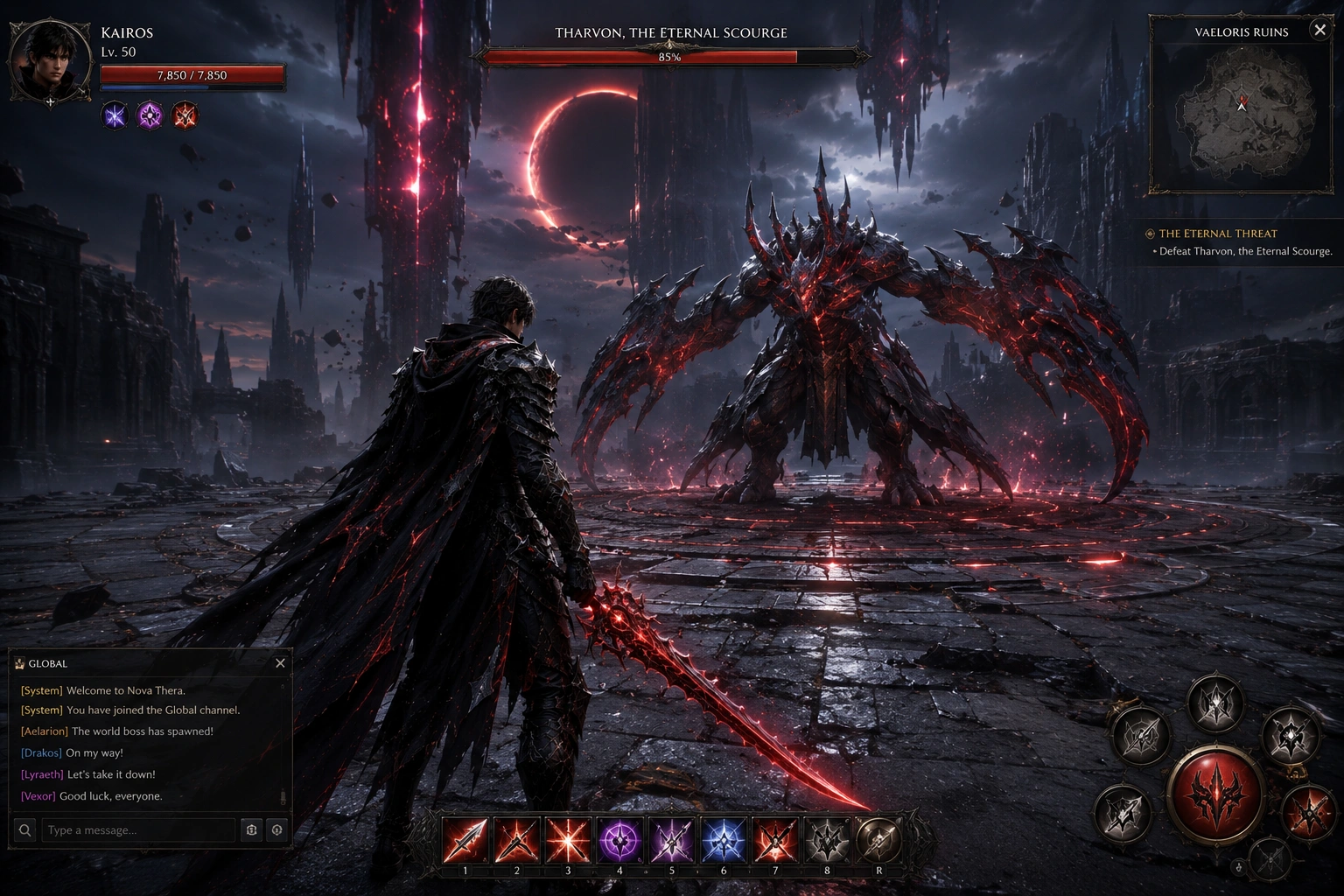
The blockchain trading card game market has evolved into several distinct models. Some projects focus on full NFT ownership of every collectible card, while others adopt a hybrid approach that keeps Web3 functionality largely invisible to players. Pixelmon TCG belongs to the latter category, prioritizing an accessible mobile TCG experience while using blockchain technology as part of the underlying ecosystem.
This approach lowers the barrier to entry but also requires a carefully balanced token economy. The GameFi industry has already seen projects struggle with inflation caused by excessive rewards and insufficient demand for in-game assets. As a result, the long-term sustainability of Pixelmon TCG will depend on how effectively its card economy, player progression, and MON token are connected to genuine gameplay activity.
| Criteria | Pixelmon TCG | Traditional TCG | Typical Web3 TCG |
|---|---|---|---|
| Platform | Mobile-first | PC, mobile devices, or physical cards | Typically PC and browser-based |
| Main Focus | Fast-paced battles, Mons, mana, and Web3 features | Collecting cards and competitive gameplay | NFT ownership and digital asset trading |
| Blockchain | Integrated with MON Protocol and the Pixelmon ecosystem | Usually not used | Often central to the game's economy |
| Risks | Game balance, tokenomics, and project maturity | Card balance and collection costs | Asset volatility and economic inflation |
The gap between traditional and blockchain-based trading card games continues to narrow. More developers are choosing to hide complex Web3 infrastructure behind familiar gameplay while preserving the benefits of digital ownership. Pixelmon TCG follows this trend by making gameplay the primary focus and blockchain technology a supporting layer. The long-term success of this approach will depend on continued content updates, community growth, and a sustainable in-game economy.
5. Project Outlook, Risks, and Final Thoughts
The future of Pixelmon TCG depends on three key factors: the quality of its gameplay, the reliability of its Web3 infrastructure, and Pixelmon's ability to expand its intellectual property beyond a single game. The project benefits from strong brand recognition, an established crypto community, and a strategy aimed at reaching the mainstream mobile gaming market. However, long-term success will require regular content updates, balanced gameplay, and a sustainable in-game economy.
Players should keep in mind that early-stage Web3 games often evolve rapidly. Game mechanics, card balance, regional availability, reward systems, supported blockchain networks, and monetization models may change over time. For this reason, Pixelmon TCG should primarily be viewed as a strategy game rather than an investment vehicle. Any purchases involving tokens, NFTs, or other digital assets should be made only after carefully evaluating the associated risks.
Overall, Pixelmon TCG represents a new generation of GameFi projects in which blockchain technology complements rather than replaces the core gaming experience. By combining digital asset ownership with competitive gameplay and a broader entertainment ecosystem, the project aims to appeal to both traditional card game players and Web3 enthusiasts. If the developers succeed in maintaining an engaging gameplay loop while building a stable and transparent economy, Pixelmon TCG has the potential to establish itself within the growing blockchain gaming market. Ultimately, its long-term success will depend on player engagement, game balance, ecosystem development, and the overall health of its community.











