

Pocket Knights is a Web3 game that combines elements of RPG, strategy, and character collection, with a focus on gradual user onboarding. The project aims to merge familiar mobile gaming with blockchain capabilities without overwhelming players with complex technical details. As a result, Pocket Knights positions itself as a bridge between traditional games and the Web3 ecosystem, where not only the economy matters, but also the gameplay itself.
Contents
- Concept and Structure of the Pocket Knights Game World
- Gameplay and Key Mechanics
- Web3 Integration and User Experience
- Technological Foundation and Project Development
- Pocket Knights Economy and Tokens
1. Concept and Structure of the Pocket Knights Game World
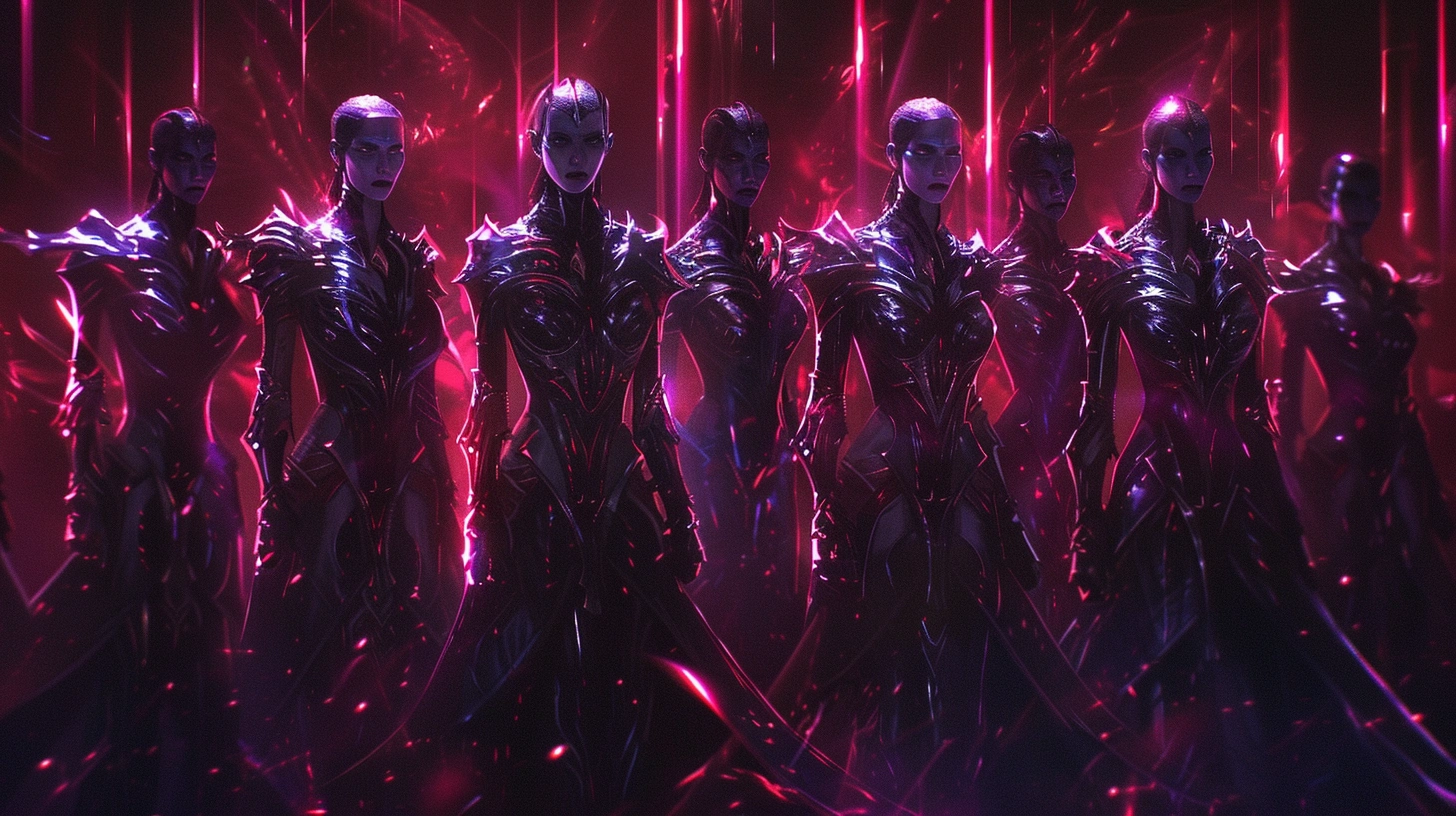
Pocket Knights builds a game universe centered around collecting heroes and developing them over time. The player takes on the role of a strategist, assembling a team by combining characters with different abilities and roles. This approach allows for the creation of unique tactics and adaptation to various in-game situations.
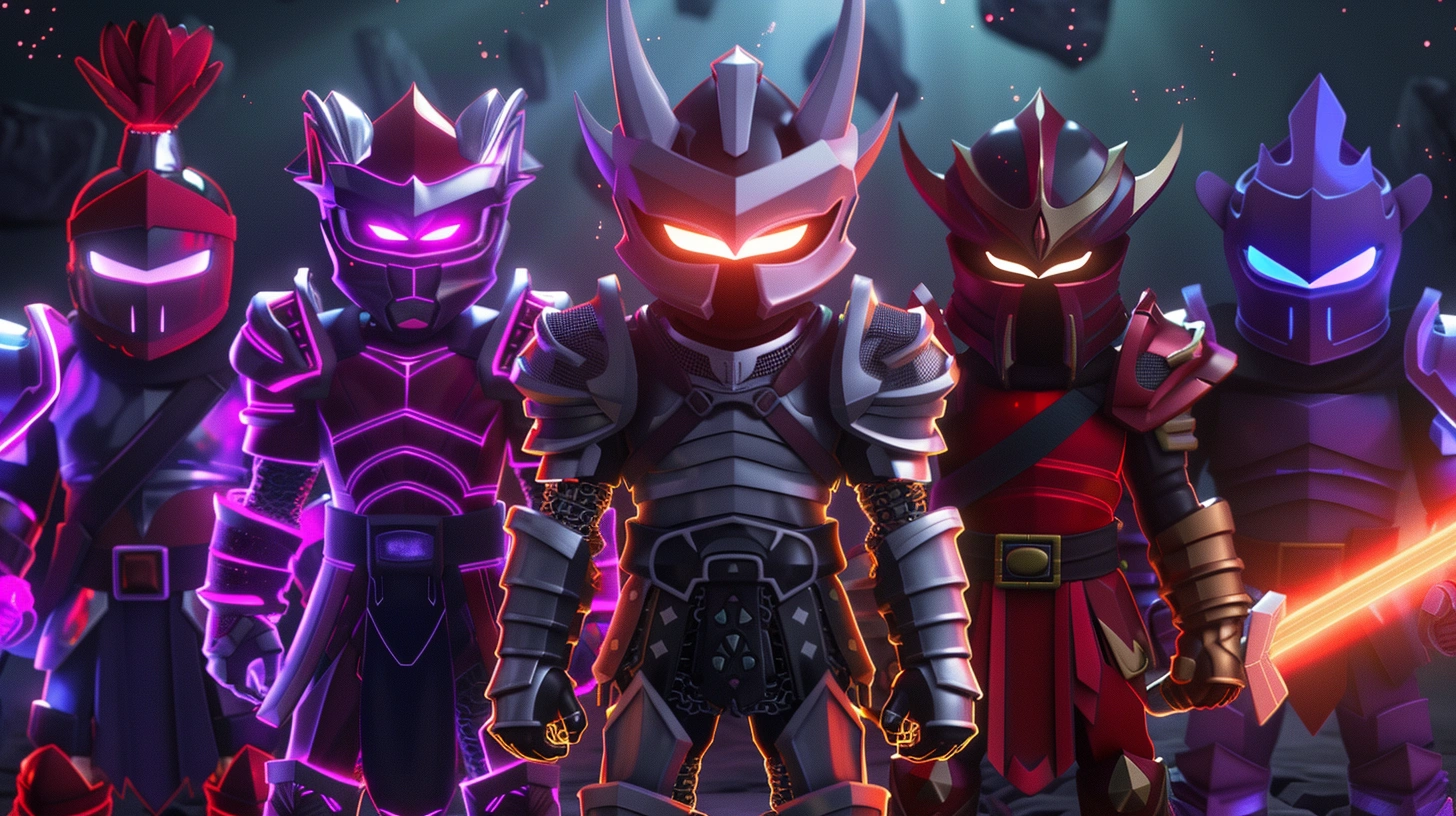
The visual design focuses on a bright and recognizable style. Characters have distinct personalities, which enhances engagement and makes the collection process more meaningful. This plays an important role in building long-term attachment to the game. Special attention is also given to accessibility. The game is optimized for mobile devices, allowing users to interact with it conveniently. This brings Pocket Knights closer to a mass audience and lowers the entry barrier.
Overall, the concept is built on a balance between simplicity and depth. On one hand, players can quickly understand the basics; on the other, they gain room for strategic development. Hero variety plays a significant role as well. Gradually unlocking new characters keeps the experience engaging and encourages experimentation with team compositions. As a result, players are constantly searching for more effective combinations.
2. Gameplay and Key Mechanics
The gameplay of Pocket Knights revolves around building a team and gradually strengthening it. The main focus is on character synergy, where roles, abilities, and interactions between heroes must be carefully considered.
Combat is designed in a simplified format, making the game accessible to a wide audience. At the same time, depth is achieved through team preparation rather than complex controls during battles. This approach lowers the entry barrier while still keeping experienced players engaged.
Key Gameplay Elements
- collecting and upgrading heroes with unique traits;
- building balanced and effective teams;
- participating in PvE and PvP modes;
- progression and upgrade systems;
- events and daily challenges.
This structure combines a casual approach with strategic elements. Players can quickly get into the game while continuously finding ways to improve their teams. The variety of modes keeps the experience fresh and prevents repetition.
Regular updates and events create a dynamic environment, encouraging players to return and giving a sense of ongoing development. Balance is especially important. If progression is too fast, interest fades; if too slow, players may feel fatigued. Developers aim to maintain an optimal pace, which directly impacts player retention.
3. Web3 Integration and User Experience
Pocket Knights uses Web3 as a supplementary tool rather than the foundation of its gameplay. This allows players to start without needing to understand blockchain technology, gradually discovering its features over time. A key aspect is digital ownership.
Heroes and items can exist as unique assets, increasing the value of progression and adding a new layer of interaction. Players gain not only in-game results but also a sense of ownership. This approach reduces the entry barrier and makes the experience more accessible. Users first engage with the gameplay and then unlock additional Web3 features, making the transition more natural.
The project also focuses on community development. Player interactions, asset exchanges, and participation in events help form an ecosystem around the game. Gradual implementation of technology is equally important. It reduces resistance from traditional players and builds trust in the system. As a result, Web3 is perceived as a useful enhancement rather than a mandatory requirement.
4. Technological Foundation and Project Development
The technological foundation of Pocket Knights is built with scalability and stability in mind. This is essential for supporting a large number of users and active interactions within the game.
The use of blockchain solutions ensures transparency of operations and security of digital assets. At the same time, developers aim to minimize the impact of technical processes on the user experience. The project is designed for gradual development, with new features and modes introduced step by step, allowing adaptation to audience needs and reducing system overload risks.
Performance is a key focus. The system must remain stable even under heavy load, which directly affects user perception and satisfaction. Flexibility of the architecture is also important. The ability to introduce new mechanics without major system changes accelerates development, provides a competitive advantage, and simplifies scaling.
5. Pocket Knights Economy and Tokens
The economy of Pocket Knights is built around the interaction of in-game assets and resources. The main goal is to create a sustainable system where progression and rewards remain balanced. Tokens are used for character upgrades, event participation, and unlocking additional features. It is important that the economy complements gameplay rather than dominates it.
Token and Asset Table
| Asset | Purpose | Role in the Game |
|---|---|---|
| Game Token | Upgrades and in-game actions | Main resource |
| NFT Heroes | Battle participation | Core gameplay units |
| Items | Character enhancement | Additional modifiers |
Economic balance determines the long-term sustainability of the project. If developers maintain equilibrium between rewards and costs, the game can retain player interest. Otherwise, imbalance may negatively affect perception. Therefore, the economy functions as part of a larger system, enhancing motivation rather than replacing gameplay.
Transparency is also crucial. Players need to understand how value is created within the system. This increases trust and supports long-term stability. Pocket Knights demonstrates a balanced approach where technology supports gameplay rather than replacing it.
The project combines accessibility, strategic depth, and collection mechanics. Its future will depend on the quality of updates, economic stability, and the ability to retain players. With proper execution, Pocket Knights could become a strong example of how Web3 can integrate naturally into the gaming industry.











