

The Web3 gaming industry in 2026 is gradually moving away from the simple play-to-earn concept and evolving toward full-scale gaming ecosystems. Players are no longer interested in projects focused only on tokens — modern audiences expect high-quality gameplay, large open worlds, social mechanics, and sustainable in-game economies. Project Awakening positions itself as exactly this type of project. The game combines MMORPG and RPG elements with blockchain infrastructure, integrating NFTs, digital ownership, and in-game resources into a complete gaming experience. The developers focus on world exploration, character progression, cooperative gameplay, and a deep economic system where Web3 becomes part of the gameplay rather than its sole purpose.
Contents
- Project Awakening Concept and Core Features
- Game World and Key Mechanics
- Project Awakening Tokens and In-Game Economy
- NFTs, Blockchain, and the Role of Web3
- Project Potential and Key Risks
1. Project Awakening Concept and Core Features
Project Awakening is a Web3 MMORPG where the developers aim to combine traditional gaming principles with blockchain technology. Unlike early GameFi projects, the game is designed not only around earning mechanics but also around building a complete digital universe with deep player interaction systems.
The project’s main idea is to create a sustainable gaming ecosystem where the economy is supported not only by tokens but also by community activity, world exploration, PvP content, trading, and character progression. This approach makes the game feel closer to classic MMO titles rather than standard blockchain applications.
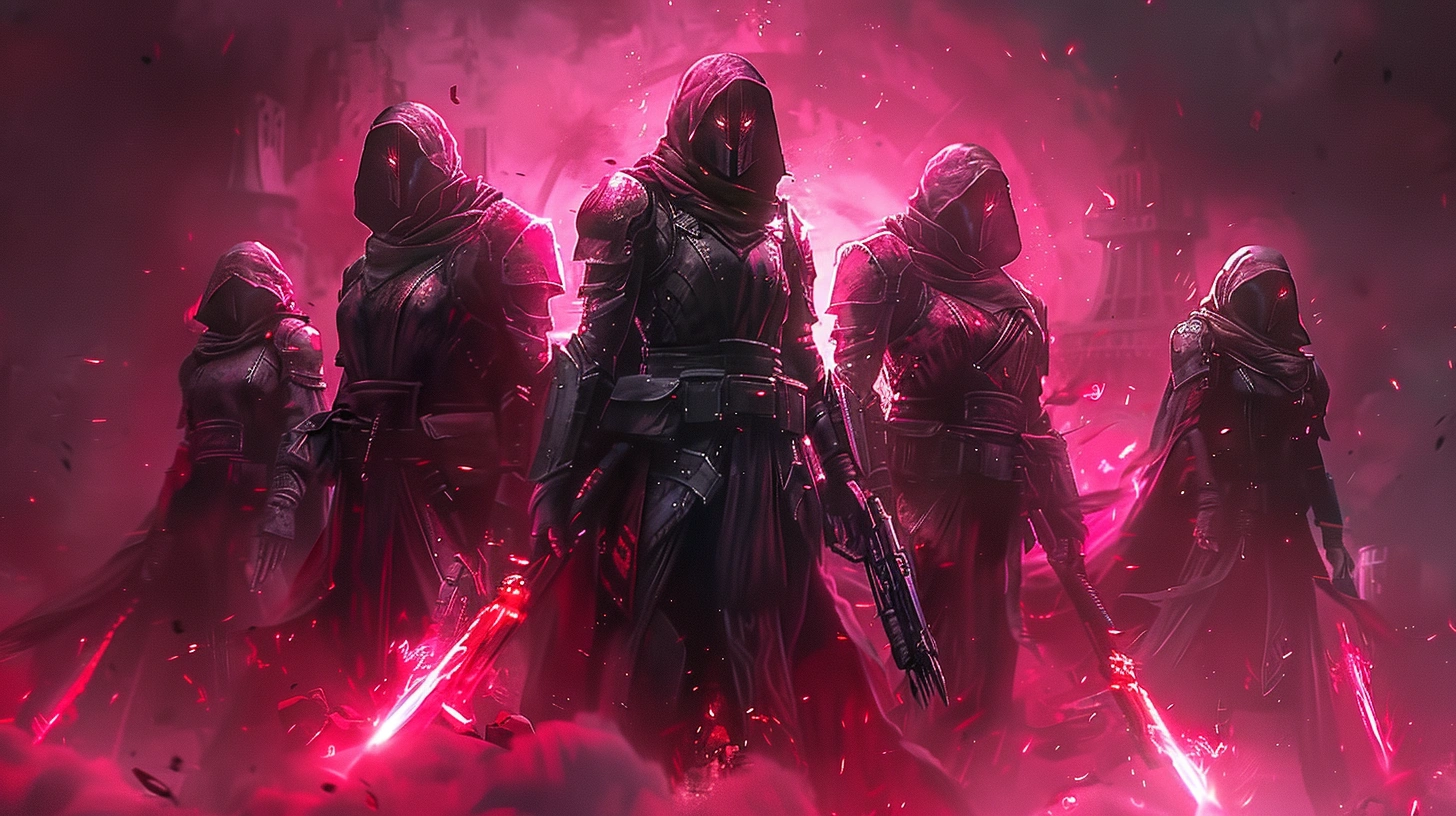
The developers focus not only on the economic model but also on atmosphere and immersion. Project Awakening features a dark sci-fi aesthetic, cinematic visual design, and large-scale locations. Because of this, the project aims to compete not only within the Web3 sector but also with traditional online games.
Special attention is also given to social interaction. Players can cooperate through trading, faction wars, co-op missions, and shared world exploration. These mechanics help create long-term engagement, which has become one of the biggest challenges for many Web3 games.
2. Game World and Key Mechanics
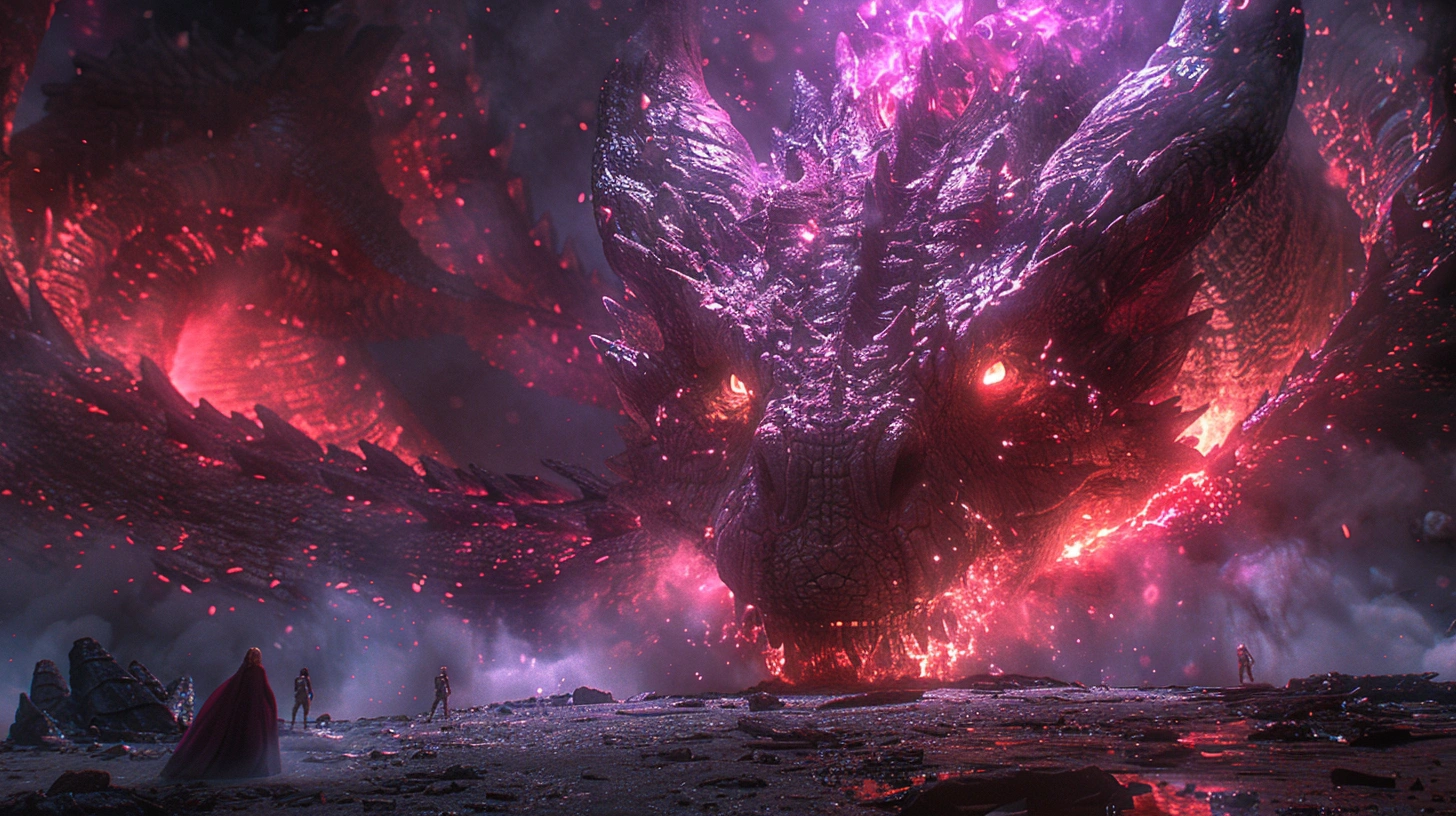
One of the defining features of Project Awakening is the combination of MMO gameplay systems with a decentralized economy. Players gain access to an open world divided into multiple regions with unique resources, enemies, and dynamic events. Exploration plays a major role in progression because rare materials and NFT items can only be found in specific areas.
The character development system includes combat skills, professions, crafting, equipment upgrades, and social interactions. Players can focus on PvE activities, participate in PvP battles, trade resources, or specialize in production systems. This creates a more dynamic and realistic in-game economy.
Key gameplay mechanics include:
- open-world exploration;
- PvP and PvE combat systems;
- crafting and profession mechanics;
- cooperative missions and raids;
- character progression through gear and skills;
- resource and NFT trading;
- faction wars and social interaction systems.
The game also includes large-scale raids, cooperative activities, and faction-based events. These systems strengthen the role of teamwork and make social interaction a core part of progression. As a result, Project Awakening aims to retain players through gameplay depth rather than pure financial incentives.
This combination of mechanics makes Project Awakening feel much closer to a traditional MMORPG than to earlier blockchain-based games. The strong focus on gameplay quality is considered one of the project’s biggest advantages.
3. Project Awakening Tokens and In-Game Economy
The economic system of Project Awakening is built around multiple types of digital assets. The developers are trying to create a model where tokens serve as part of the gameplay experience rather than being used only for speculation. In-game resources, NFT assets, and utility mechanics form the foundation of the project’s digital economy.
One of the project’s goals is maintaining a sustainable balance between player progression and profitability. Early GameFi projects often suffered from token inflation and declining interest once rewards decreased. Project Awakening attempts to avoid these issues by integrating digital assets directly into core gameplay systems.
| Asset Type | Main Purpose | Role in the Ecosystem |
|---|---|---|
| Utility Token | Payments, upgrades, in-game transactions | Foundation of the game economy |
| NFT Items | Weapons, equipment, rare assets | Digital ownership for players |
| Game Resources | Crafting and character development | Support for the in-game marketplace |
| Governance Mechanics | Community participation in development | Elements of decentralized governance |
The project’s economy depends heavily on player activity. The more engaged the community becomes, the more stable the in-game marketplace can remain. That is why the developers focus on long-term content and social systems instead of relying purely on the play-to-earn model.
The rarity of digital assets and limited NFT items also plays an important role in the economy. This creates additional demand within the marketplace and makes the system more sustainable compared to traditional play-to-earn structures. In the long term, the balance between gameplay content, community engagement, and utility token demand will likely become the key factor behind the stability of Project Awakening’s economy.
4. NFTs, Blockchain, and the Role of Web3
Project Awakening actively uses Web3 infrastructure to build a complete system of digital ownership. NFTs are not treated as simple collectibles but as core gameplay elements. Players can own weapons, equipment, vehicles, and other assets permanently stored on the blockchain.
This approach changes the way players interact with in-game assets. In traditional MMOs, all items are controlled by developers, while players only receive access to an account. In a Web3 ecosystem, users become real owners of digital assets and can freely manage them inside the ecosystem.
Blockchain technology is also used for transactions and marketplace operations. This creates a more transparent economy and allows rare assets to maintain value outside individual gameplay sessions. At the same time, the developers are trying to avoid overwhelming the game with crypto mechanics in order to maintain a balance between entertainment and finance.
Another important factor is infrastructure scalability. MMO games require fast transactions, low fees, and stable network performance. Because of this, Web3 architecture becomes one of the most important parts of Project Awakening’s long-term development.
5. Project Potential and Key Risks
Project Awakening is entering the market during a period of renewed interest in high-quality Web3 games. Modern players expect more than simple earning opportunities — they want strong gameplay, stable economies, and consistent content updates. This creates both major opportunities and significant risks for the project.
One of the game’s biggest strengths is its focus on a long-term MMO ecosystem. The developers emphasize world-building, social systems, cooperative content, and a deep in-game economy. If the project succeeds in maintaining an active community and delivering regular updates, it could become one of the most notable Web3 games of the new generation.
However, the risks remain substantial. Building a large-scale MMO requires significant technical and financial resources, while competition within the GameFi sector continues to grow. Cryptocurrency market volatility and the challenge of maintaining a sustainable economy also add additional pressure.
Project Awakening aims to combine MMO gameplay, NFT infrastructure, and decentralized economic systems into one ecosystem. The project already stands out because of its visual style, ambitious scale, and focus on social mechanics. If the developers successfully implement their ideas and maintain long-term community engagement, the game has strong potential to become one of the leading Web3 MMORPG projects of the next generation.











