
Project II is a promising blockchain game being developed within the Sunflower Land ecosystem, focusing on engaging gameplay enhanced by on-chain economic mechanics. The project is designed as a standalone gaming experience where developers emphasize world exploration, player interaction, and the use of digital assets without requiring users to have in-depth knowledge of blockchain technology. Its core concept combines familiar gaming mechanics with Web3 capabilities, including true ownership of in-game assets and a transparent economy. As a result, Project II appeals both to experienced cryptocurrency enthusiasts and to newcomers exploring decentralized gaming for the first time.
Contents
- What Is the Project II Blockchain Game?
- Gameplay and Core Features
- Project Economy and Digital Assets
- How Project II Compares to Other Web3 Games
- Future Development of Project II
1. What Is the Project II Blockchain Game?
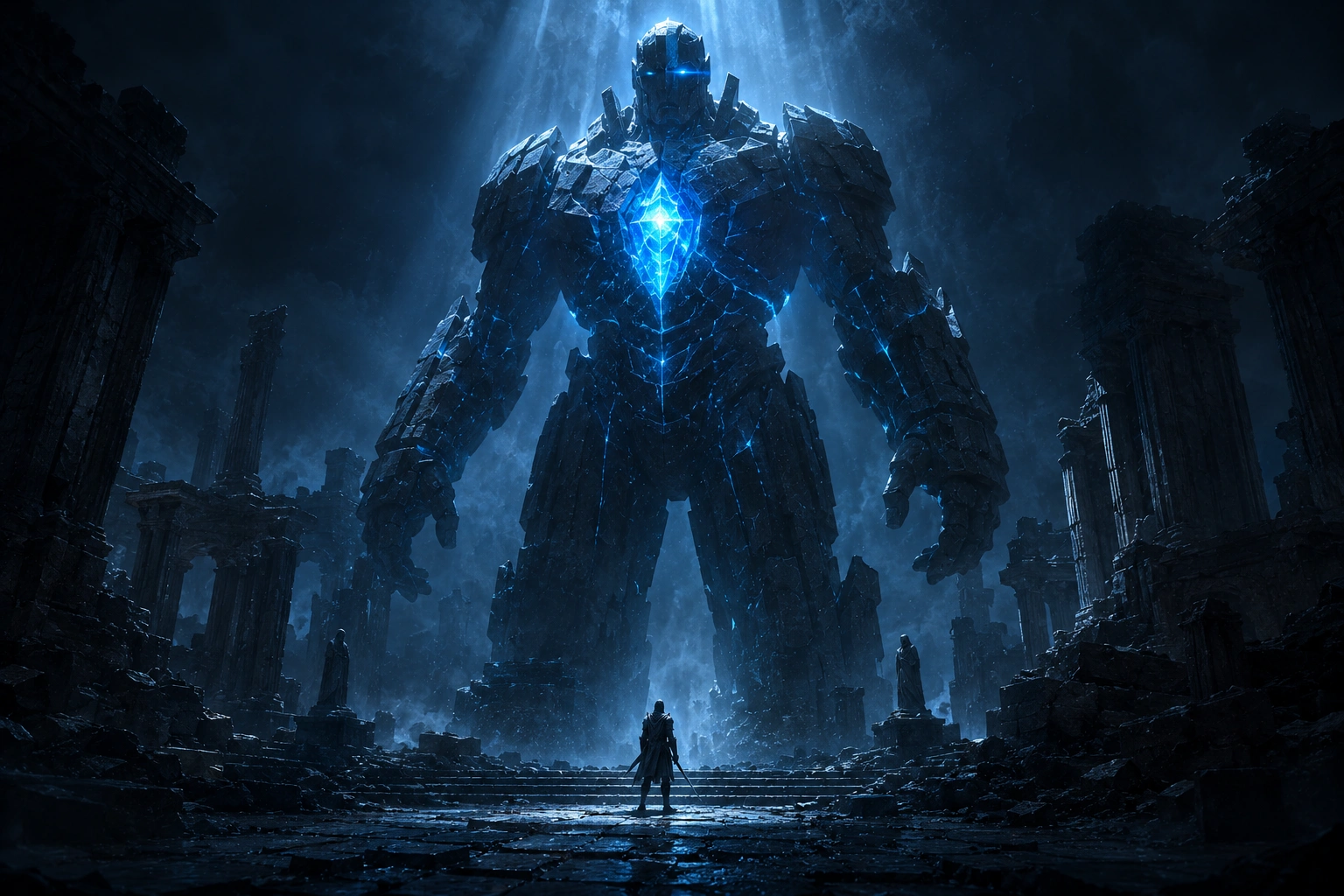
Project II is being developed by the Sunflower Land team as a next-generation standalone blockchain game. Unlike traditional browser-based games, its architecture incorporates blockchain technology to store ownership data for digital assets while allowing players to interact with the in-game economy through cryptocurrency-based systems. This approach provides transparent ownership of in-game items and enables certain game data to exist independently of centralized servers.
The project builds upon the experience gained during the development of Sunflower Land. The team aims to preserve an accessible gameplay experience while expanding the game's functionality through new exploration mechanics, character progression, item crafting, and community-driven interactions. Special attention is given to ensuring that Web3 technologies remain intuitive and do not create unnecessary complexity for new players.
From a technical perspective, Project II separates traditional server-side gameplay logic from blockchain-based asset management. This hybrid architecture helps reduce transaction costs while improving gameplay responsiveness. Only the most significant gameplay events and digital asset transactions are recorded on-chain, allowing for greater efficiency without sacrificing transparency.
2. Gameplay and Core Features
Project II combines elements of adventure gaming, open-world exploration, and economic strategy. Players gradually develop their characters, gather resources, unlock new areas, and interact with other participants throughout the game world. Progress depends not only on the amount of time invested but also on effective resource management and strategic decision-making.
The developers aim to create a more dynamic experience than traditional blockchain farming games. To achieve this, the game introduces exploration mechanics, random events, profession systems, and progressively unlockable content that expands as players advance through the game.
Key Gameplay Features:
- Exploring diverse biomes and unique environments;
- Gathering and processing valuable resources;
- Crafting and upgrading equipment and in-game items;
- Character progression through skills and abilities;
- Using NFTs as unique in-game assets;
- Player interaction through a decentralized in-game economy.
This structure combines familiar gameplay mechanics with the advantages of blockchain technology. Digital asset ownership becomes a natural part of the gaming experience rather than its primary objective, reflecting the latest trends in the Web3 gaming industry.
As characters progress, players gain access to increasingly challenging quests, new regions, and additional opportunities to participate in the game's economy. Many gameplay systems are interconnected, making strategic planning and efficient resource allocation essential for long-term success. This approach increases player engagement while keeping the focus on enjoyable gameplay rather than purely financial incentives.
3. Project Economy and Digital Assets
The economic model of Project II is built around in-game resources, collectible items, and digital tokens within the Sunflower Land ecosystem. The developers place significant emphasis on maintaining a sustainable economy by limiting excessive resource inflation and preserving the long-term value of various in-game assets.
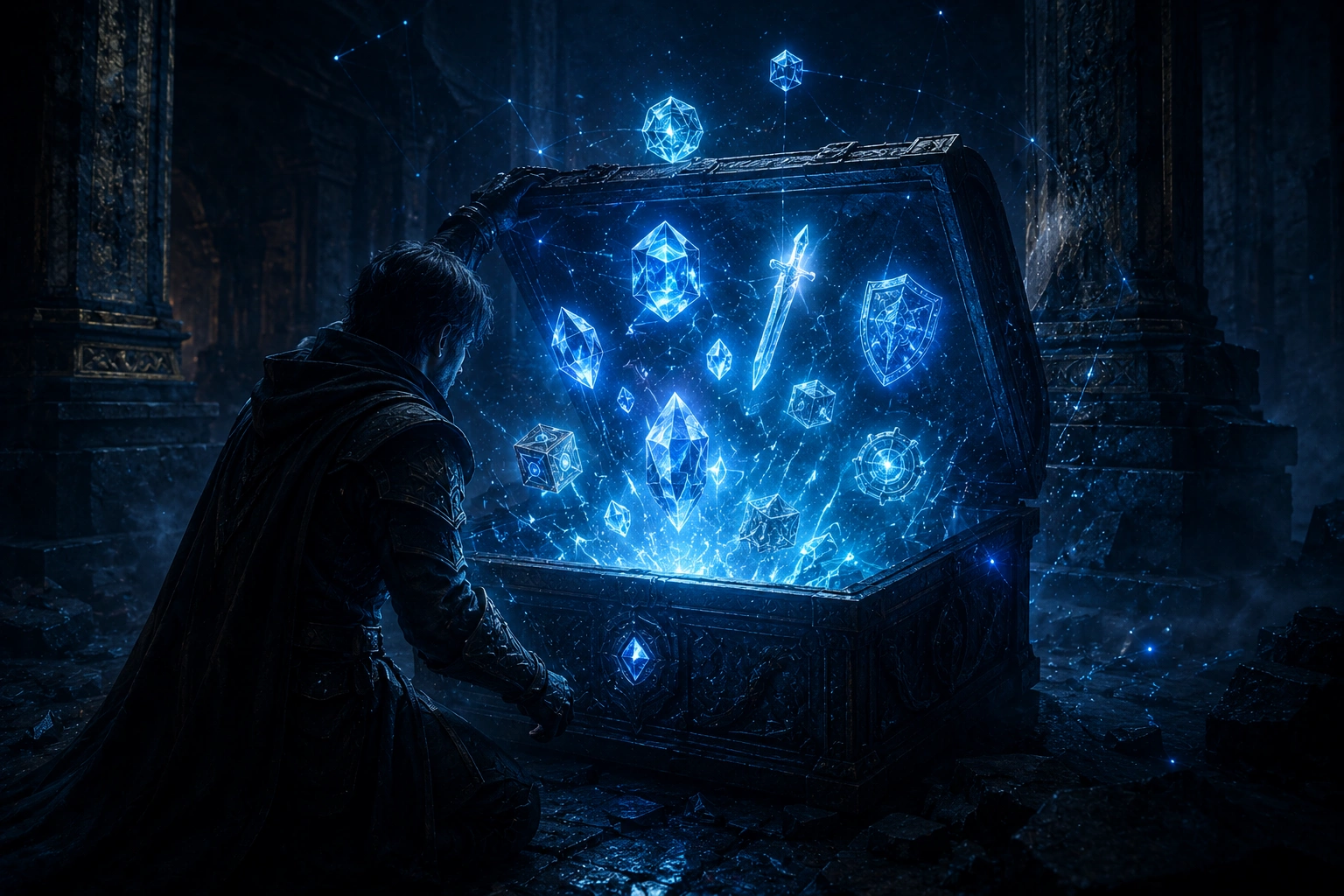
NFT assets play an important role within the ecosystem. They can represent collectible items, equipment, cosmetic objects, or other unique digital assets. Ownership of these items is verified on the blockchain, allowing players to truly own their assets independently of centralized game databases.
| Economic Element | Purpose | Role in the Game |
|---|---|---|
| Game Resources | Crafting items | Foundation of character progression |
| NFT Items | Verified ownership | Unique digital game assets |
| Ecosystem Tokens | Economic transactions | Participation in the in-game economy |
| Rare Items | Collectible value | Expanded gameplay opportunities |
This type of economic model is gradually becoming the standard for modern Web3 projects, combining traditional gameplay with transparent digital ownership while supporting long-term economic sustainability without relying entirely on centralized infrastructure.
In addition, the game's economy is designed around the continuous interaction between resource gathering, crafting, and item usage, creating natural demand for a wide range of digital assets. As new content is introduced, both the variety of items and their practical applications are expected to expand, helping maintain player engagement while supporting the long-term growth of the ecosystem. This design contributes to a more balanced and sustainable in-game economy.
4. How Project II Compares to Other Web3 Games
The blockchain gaming market continues to evolve, along with players' expectations. While the first generation of GameFi projects focused primarily on earning rewards, modern Web3 games increasingly prioritize engaging gameplay and long-term player retention. Project II follows this newer approach by using blockchain technology as a tool to enhance the gaming experience rather than making it the project's sole defining feature.
Unlike many early Web3 titles that relied heavily on continuous token emissions, Project II aims to establish a more sustainable economic model. The game's primary focus is on player progression, world exploration, character development, crafting systems, and community interaction. As a result, digital assets become an integrated part of the gameplay experience instead of serving as the only incentive for participation.
Another notable advantage of Project II is that it benefits from the development experience gained through the Sunflower Land ecosystem. This allows the team to build upon proven mechanics for digital asset management, optimize on-chain transactions, and improve communication between the game client and blockchain infrastructure. Such an approach reduces network overhead while providing a smoother gameplay experience.
Project II also seeks to lower the barrier to entry for newcomers. Players are not required to understand cryptocurrencies, smart contracts, or blockchain wallets in depth before they can begin playing. This philosophy aligns with the broader trend of making Web3 technologies more accessible by hiding technical complexity behind a familiar and intuitive gaming interface.
5. Future Development of Project II
Project II is currently under active development, meaning that individual gameplay mechanics and economic systems may continue to evolve as new versions are released. The development team regularly shares updates on testing, upcoming features, and future milestones while actively considering community feedback. This iterative approach enables continuous improvements without fundamentally changing the project's overall vision.
The game's development reflects the broader evolution of the blockchain gaming industry. Whereas many earlier GameFi projects were built around the Play-to-Earn model, today's developers increasingly emphasize engaging gameplay, sustainable economies, and accessibility for mainstream audiences. Project II follows this direction by combining traditional game design with the advantages of blockchain technology and verifiable digital ownership.
Future updates may introduce additional game modes, new regions to explore, expanded crafting systems, enhanced social features, and deeper integration with other components of the Sunflower Land ecosystem. Maintaining a healthy balance between gameplay and economic systems is expected to remain one of the project's primary development goals.
Project II demonstrates a modern vision of Web3 gaming, where blockchain serves as a supporting technology rather than the central focus of the experience. By combining immersive gameplay, digital asset ownership, a transparent economy, and user-friendly design, the project has the potential to become an example of how blockchain technology can complement traditional game mechanics while remaining accessible to a broad audience.











