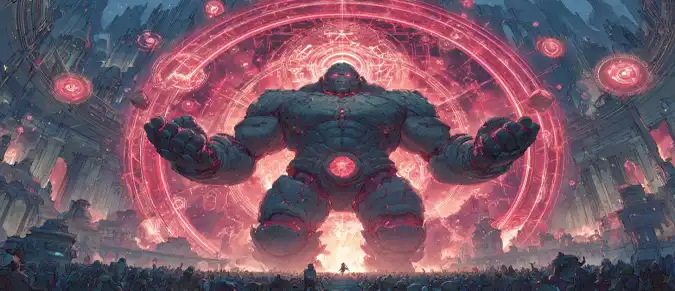

Second Chance is a Web3 project focused on building a competitive gaming ecosystem where users can participate in tournaments, complete challenges, earn rewards, and interact with digital assets. Unlike many early blockchain games that relied heavily on token speculation and play-to-earn mechanics, Second Chance places greater emphasis on gameplay, community engagement, and the long-term value of participation. The platform aims to combine the strengths of modern online gaming with Web3 technology, creating an ecosystem where rewards enhance the player experience rather than serve as its sole purpose.
Contents
- Project Concept and Second Chance's Role in Web3 Gaming
- Gaming Ecosystem and Competitive Structure
- Key Features of Second Chance
- Tokens, Rewards, and Digital Assets
- Future Development and Final Thoughts

1. Project Concept and Second Chance's Role in Web3 Gaming
Second Chance emerged during a period of significant transformation in the blockchain gaming industry. The first generation of Web3 projects was often built around play-to-earn models, where financial incentives served as the primary motivation for players. However, these systems frequently faced challenges related to economic sustainability and declining user interest when token values dropped.
The developers behind Second Chance have chosen a different path. Rather than focusing primarily on financial incentives, the platform emphasizes competitive gameplay, community participation, and player engagement. Digital assets and blockchain technologies act as supporting components that enhance the ecosystem and create new opportunities for interaction.
This approach reflects broader trends within modern Web3 gaming. More projects are moving toward fully developed gaming ecosystems where blockchain technology supports digital ownership, transparent reward distribution, and sustainable economies. Second Chance follows this direction by attempting to combine the strengths of traditional gaming with the benefits of decentralized technologies.
2. Gaming Ecosystem and Competitive Structure
At the core of Second Chance is a competitive environment where players can participate in a variety of activities, unlock achievements, and progress through structured systems. Unlike projects focused primarily on NFT collecting, this platform prioritizes active participation and player performance.
Tournaments, seasonal competitions, and special events encourage users to showcase their skills and compete against others. This structure keeps gameplay dynamic while providing a steady flow of new content. Ranking systems and reward mechanisms create additional incentives for players to remain active within the ecosystem.
Another important goal of the project is reducing barriers to entry. Many Web3 games struggle with onboarding because blockchain technology can be intimidating for newcomers. Second Chance seeks to simplify the experience, allowing users to focus on gameplay rather than technical complexities.
This model helps foster a strong and active community. Recurring competitions, limited-time events, and progression systems create long-term engagement opportunities and support the continued growth of the platform.
3. Key Features of Second Chance
Although the project continues to evolve, several core pillars already define the Second Chance ecosystem. These systems shape how users interact with the platform and influence its future direction.
The platform is designed as a space where competitive gameplay, player progression, and digital assets work together. By combining traditional gaming mechanics with Web3 functionality, Second Chance provides users with additional ways to participate in and benefit from the ecosystem. This approach strengthens community engagement and creates a foundation for long-term growth.
- participation in tournaments and ranked competitions;
- rewards for activity and achievements;
- seasonal events and special gaming campaigns;
- support for digital assets and collectible items;
- community engagement programs;
- player progression and achievement systems;
- integration of Web3 mechanics into gameplay;
- opportunities for future game mode expansion;
- development of a long-term platform economy;
- additional ways for players to interact with one another.
A major advantage of the platform is its scalability. Rather than being tied to a single game mode, the ecosystem can gradually expand through new activities, competitive formats, and community-driven initiatives. As a result, Second Chance is positioned as a growing gaming platform rather than a standalone project with limited functionality.
For players, this means more opportunities to compete, earn rewards, and utilize digital assets across a variety of ecosystem activities.
4. Tokens, Rewards, and Digital Assets
The economic model of Second Chance is built around digital rewards and assets that support player activity. Unlike traditional gaming platforms, blockchain technology is used to ensure transparency in reward distribution and to verify ownership of digital items.
While certain systems are still evolving, several key asset categories already form the foundation of the platform's economy.
| Asset Type | Category | Potential Purpose |
|---|---|---|
| Reward Tokens | Utility Token | Used for rewards, ecosystem participation, and various gameplay-related functions. |
| Competitive Rewards | Achievement Asset | Granted based on performance in tournaments and ranked competitions. |
| NFT Collectibles | Collectible Asset | Provide ownership rights to unique digital items. |
| Event Passes | Event Asset | May grant access to special tournaments and exclusive activities. |
| Community Rewards | Engagement Asset | Designed to encourage active participation within the ecosystem. |
The effectiveness of this economy depends largely on the practical utility of its assets. When rewards, NFTs, and other digital items provide meaningful benefits, unlock opportunities, or contribute to progression, they become more valuable to users. This is why the developers aim to connect economic systems directly to gameplay rather than allowing them to function solely as speculative instruments.
Such an approach supports a more sustainable ecosystem and reduces dependence on external market conditions.
5. Future Development and Final Thoughts
Second Chance is developing during a period of major change within the Web3 gaming sector. The industry is gradually moving away from models focused purely on earning and placing greater emphasis on high-quality gaming experiences. In this context, the project represents part of a new generation of blockchain platforms where digital economies are designed to complement gameplay rather than replace it.
The platform's strengths include its competitive focus, community-oriented design, and potential for long-term ecosystem expansion. Through tournaments, ranking systems, and recurring events, Second Chance has the tools to maintain player engagement even during changing market conditions.
At the same time, future success will depend on the developers' ability to deliver regular content updates, maintain economic balance, and keep the community actively involved. If these goals are achieved, Second Chance could become a notable example of a more mature and sustainable approach to blockchain gaming.
Second Chance aims to combine competitive gaming, digital ownership, and modern Web3 technology within a single ecosystem. By focusing on player activity, community engagement, and meaningful rewards, the project reflects the evolving direction of the blockchain gaming industry and demonstrates what the next generation of Web3 gaming experiences may look like.











