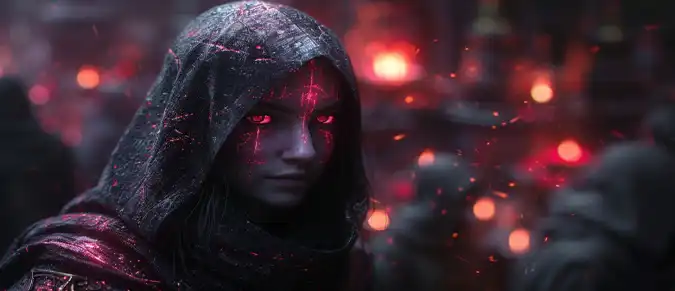

Shardbound Reforged is a Web3 reimagining of a tactical card strategy game that combines collectible card game mechanics, turn-based tactics, and blockchain infrastructure. The project expands on the ideas of the original Shardbound while adding NFT-based economics, digital ownership, and on-chain mechanics. Unlike many early GameFi projects focused purely on play-to-earn systems, Shardbound Reforged emphasizes competitive PvP gameplay, strategic depth, and a long-term gaming ecosystem. The developers aim to maintain a balance between Web3 technologies and a complete gaming experience, where blockchain enhances collecting and the in-game economy without disrupting competitive integrity. By combining tactical RPG mechanics, card strategy, and digital ownership, the project is gradually becoming one of the more notable titles in the modern Web3 gaming sector.
Contents
- Concept and Development of Shardbound Reforged
- Gameplay and Core Mechanics
- Tokens and the In-Game Economy of Shardbound Reforged
- NFTs and the Role of Web3 in the Game
- Project Potential and Risks
1. Concept and Development of Shardbound Reforged
Shardbound Reforged is a tactical PvP game that combines the mechanics of digital card games with turn-based strategy gameplay. Players build decks, control heroes, and manage the battlefield, where positioning and tactical movement are just as important as card abilities. This approach makes the game feel closer to a hybrid tactical strategy title than a traditional card game.
One of the project’s main goals is to integrate Web3 mechanics without turning the game into a typical play-to-earn product. The developers focus on strategic PvP depth, competitive balance, and long-term community engagement. Because of this, blockchain serves mainly as infrastructure rather than becoming the central focus of the gameplay.
The project also stands out because of its history. The original version of Shardbound appeared during the early growth of digital tactics games but faced funding issues and an incomplete release. Later, Bazooka Tango and Immutable revived the project by adding Web3 infrastructure and NFT mechanics, giving the game a second life within the blockchain gaming industry.
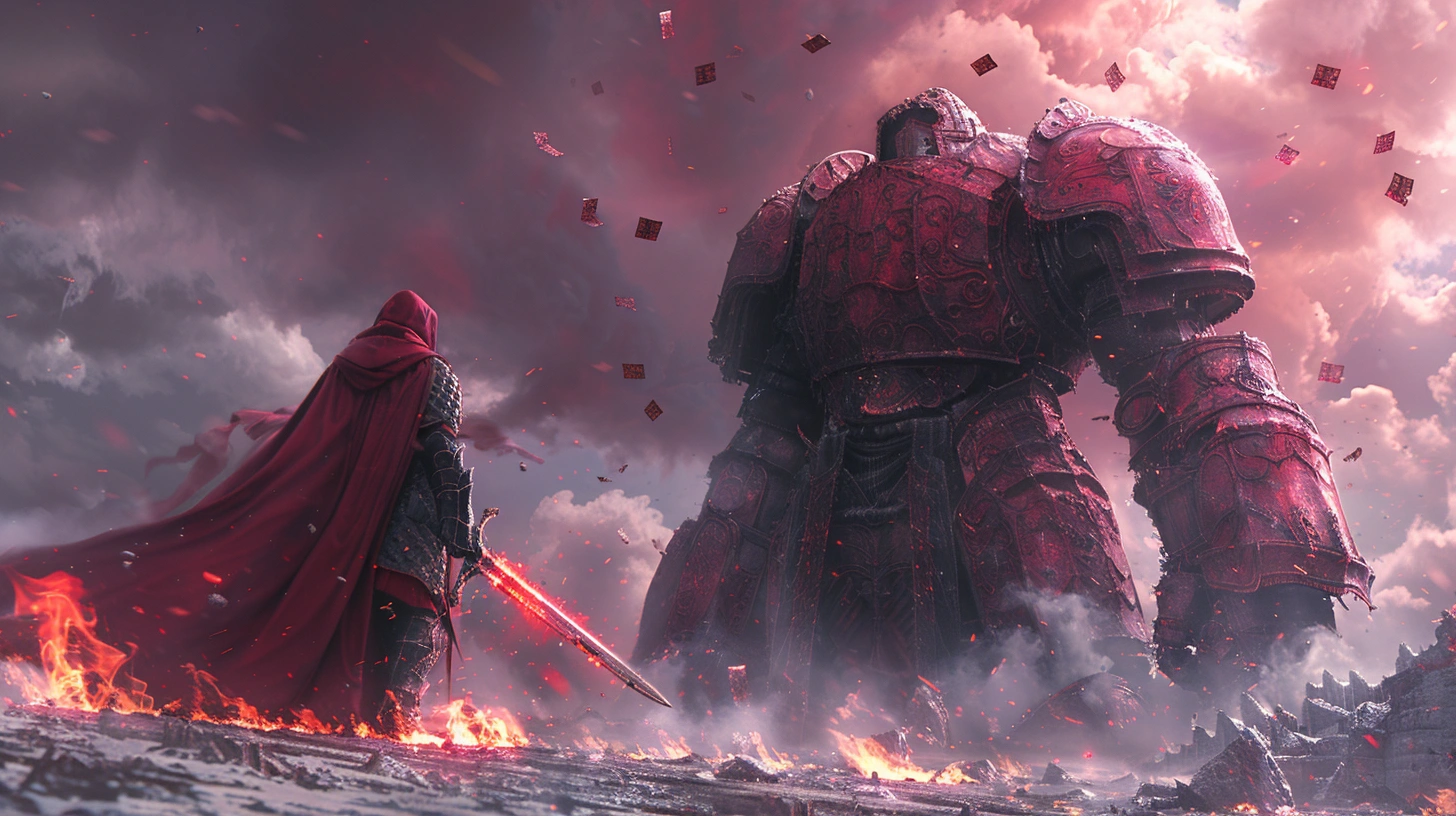
Special attention is also given to the game’s atmosphere. Shardbound combines fantasy aesthetics, sci-fi elements, and a visually vibrant art style, creating the feeling of a complete tactical RPG instead of a simple blockchain application. This helps the project stand out among many Web3 games with similar economic systems.
2. Gameplay and Core Mechanics
Shardbound Reforged is built around tactical PvP battles where players use cards representing creatures, spells, and heroes. Unlike traditional collectible card games, unit movement and territory control play a major role in every match. Because of this, gameplay feels like a mix of a digital card game and a turn-based strategy title.
Players can create different decks and approaches depending on their preferred playstyle. Some focus on aggressive pressure, while others rely on map control, ranged units, or combinations of hero abilities. This system increases gameplay variety and strengthens the strategic depth of the project.
Core mechanics of Shardbound Reforged include:
- turn-based PvP battles;
- battlefield control and unit positioning;
- collecting cards and heroes;
- building strategic decks;
- NFT cards and digital assets;
- competitive ranked modes;
- integration of Web3 into the game economy.
The faction system also plays an important role. Players can choose different factions and use unique abilities to build their own tactical approaches. This expands the game’s meta and creates additional opportunities for experimentation inside the PvP system.
The developers are also focusing on spectator experience and competitive potential. Tactical card games traditionally fit well within esports environments, while Web3 mechanics create additional interest from collectors and blockchain-focused communities.
3. Tokens and the In-Game Economy of Shardbound Reforged
The economic model of Shardbound Reforged is built around NFT cards, utility mechanics, and digital ownership. The developers aim to create a system where game assets become part of strategy and collecting rather than purely speculative tools. The main value comes from card rarity, PvP meta relevance, and the limited supply of certain in-game objects.
Unlike many early GameFi projects, the game’s economy is designed around long-term player engagement. Instead of relying on aggressive earning systems, the developers focus on collecting, deck progression, and competitive gameplay.
| Asset Type | Main Purpose | Role in the Ecosystem |
|---|---|---|
| Utility Token | In-game operations | Foundation of the Web3 economy |
| NFT Cards | Collectible and gameplay assets | Digital ownership for players |
| Heroes and Units | Building PvP strategies | Core of competitive gameplay |
| Collectible Items | Rare objects and cosmetics | Increasing ecosystem value |
The long-term sustainability of the economy depends directly on PvP community activity and interest in collecting. The stronger the player engagement becomes, the more stable the in-game market and NFT infrastructure can remain.
Limited card releases and seasonal collections also play an important role. This creates additional demand within the community and increases the significance of digital ownership inside the Shardbound Reforged ecosystem.
4. NFTs and the Role of Web3 in the Game
Web3 infrastructure in Shardbound Reforged is primarily used to create a digital ownership system. NFTs are integrated directly into gameplay and allow players to own cards, heroes, and rare collectible objects through blockchain technology.
This approach changes how players view digital card games. In traditional card games, all assets are effectively controlled by developers and tied to user accounts. In Shardbound Reforged, certain assets exist as independent digital objects that players can own and manage within the ecosystem.
Blockchain technology also improves marketplace transparency. Players can track card rarity, NFT ownership history, and the limited supply of specific collections. This increases collector interest and makes in-game assets more valuable to the community.
At the same time, the developers aim to maintain balance between Web3 systems and gameplay. Tactical PvP remains the foundation of the project, while blockchain acts as an additional infrastructure layer. This is considered one of the main differences between Shardbound Reforged and many early GameFi projects.
5. Project Potential and Risks
Shardbound Reforged is developing during a new wave of interest in Web3 gaming and blockchain infrastructure within the gaming industry. Modern players expect not only NFTs and tokens but also polished gameplay, fair PvP balance, and regular updates. This creates strong opportunities for the project while also increasing competition within the Web3 gaming sector.
One of the project’s main strengths is its combination of tactical strategy and Web3 mechanics. PvP card games traditionally maintain strong player engagement thanks to strategic depth and constantly evolving metas. If the developers manage to preserve balance between collecting and competitive gameplay, the project could build a sustainable gaming community.
However, the risks remain significant. Maintaining PvP balance, releasing new content, and supporting the community require continuous resources. Additional pressure comes from crypto market volatility and declining interest in the NFT sector.
Another challenge is balancing gameplay value with financial mechanics. If NFTs and tokens begin to influence competitive fairness, the project could lose part of its audience. Because of this, the long-term success of Shardbound Reforged will depend on the developers’ ability to combine strategic gameplay, collecting systems, and Web3 infrastructure effectively.
Shardbound Reforged remains one of the most interesting attempts to combine tactical card games with blockchain economics. The project merges deep PvP gameplay, NFT infrastructure, and digital asset collecting without abandoning the foundations of traditional gaming. If the developers succeed in maintaining balance between the collectible system and fair competitive gameplay, the game could become one of the most notable blockchain card games of the next generation.











