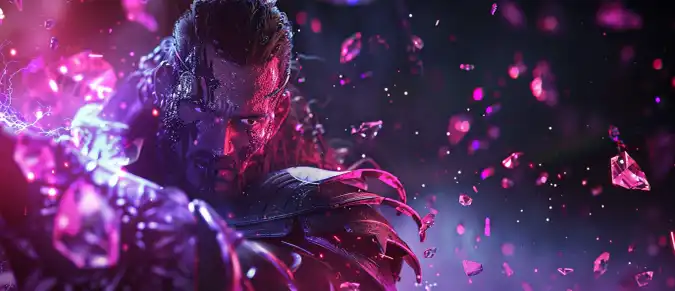

Shardbound is a tactical strategy game infused with collectible card game elements, unfolding on a detailed 3D battlefield and combining factions, spells, resource strategy, and a well-structured in-game economy. After its relaunch under the guidance of Bazooka Tango, the project received a second life and began evolving toward Web3 integration. The game aims to merge deep tactical gameplay, collection-driven progression, and digital asset ownership, forming a unique hybrid model among modern strategy titles. In this article, we explore the core concept of Shardbound, its gameplay structure, factions, economic foundation, Web3 opportunities, and the long-term prospects of the project.
Contents
- Shardbound’s Concept and Project Evolution
- Combat Mechanics, Gameplay Structure, and Factions
- Web3 Model, Economy, and Key Features
- Technical Features and System Architecture
- Future Prospects, Challenges, and Shardbound’s Potential
- Conclusion
1. Shardbound’s Concept and Project Evolution
Shardbound is a hybrid between a collectible card game and a tactical turn-based strategy title. Originally created by Spiritwalk Games, the project gained attention through a successful Kickstarter campaign in 2017 and remained in early access for several years. Its modern relaunch under Bazooka Tango marked a major turning point: the game received updated visuals, reworked mechanics, and a roadmap oriented toward Web3 expansion.
The developers emphasize Shardbound’s tactical depth, where every card corresponds to an actual unit appearing on the battlefield as a fully rendered 3D model. Unlike traditional card games, where the action is abstract, Shardbound transforms decks into concrete tactical tools with spatial impact. This approach appeals to players who value thoughtful decision-making over pure randomness. The blend of genre mechanics forms a layered gameplay system that rewards planning, adaptation, and synergy.
The game’s world also plays a significant role in its identity. Shardbound features a fantasy-inspired setting filled with mysterious structures, shattered landscapes, and ancient artifacts that shape the larger narrative. The lore is gradually expanding, introducing new details about the factions, heroes, and conflicts defining the universe. This narrative integration helps players connect emotionally with the game and fosters long-term engagement. The evolving setting strengthens Shardbound’s thematic foundation and differentiates it within the tactical strategy genre.
2. Combat Mechanics, Gameplay Structure, and Factions
Shardbound’s core gameplay centers on turn-based combat conducted on a hex-based battlefield. Players summon units using cards, position them strategically, move across the map, attack enemies, and activate unique abilities. The system creates a deep tactical environment where positioning, terrain, timing, and threat analysis significantly impact each match. Experienced strategists can plan several turns ahead, while newcomers benefit from accessible visual cues and a structured learning curve.
The game features multiple factions, each offering its own mechanics, combat philosophy, and thematic identity. These factions create meaningful gameplay diversity, allowing players to explore different archetypes and combine cards to fit personal preferences. As players master each faction, they unlock more complex strategies and discover new interactions that shape the metagame over time.
Key Shardbound Factions:
- Wayfinders — specialists in healing, buffs, and protective support.
- Steelsingers — engineers controlling mechanical constructs and destructive tech-infused effects.
- Landshapers — nature-aligned mages who manipulate terrain and reshape the battlefield.
- Fatekeepers — masters of time and space who disrupt tempo and create unpredictable scenarios.
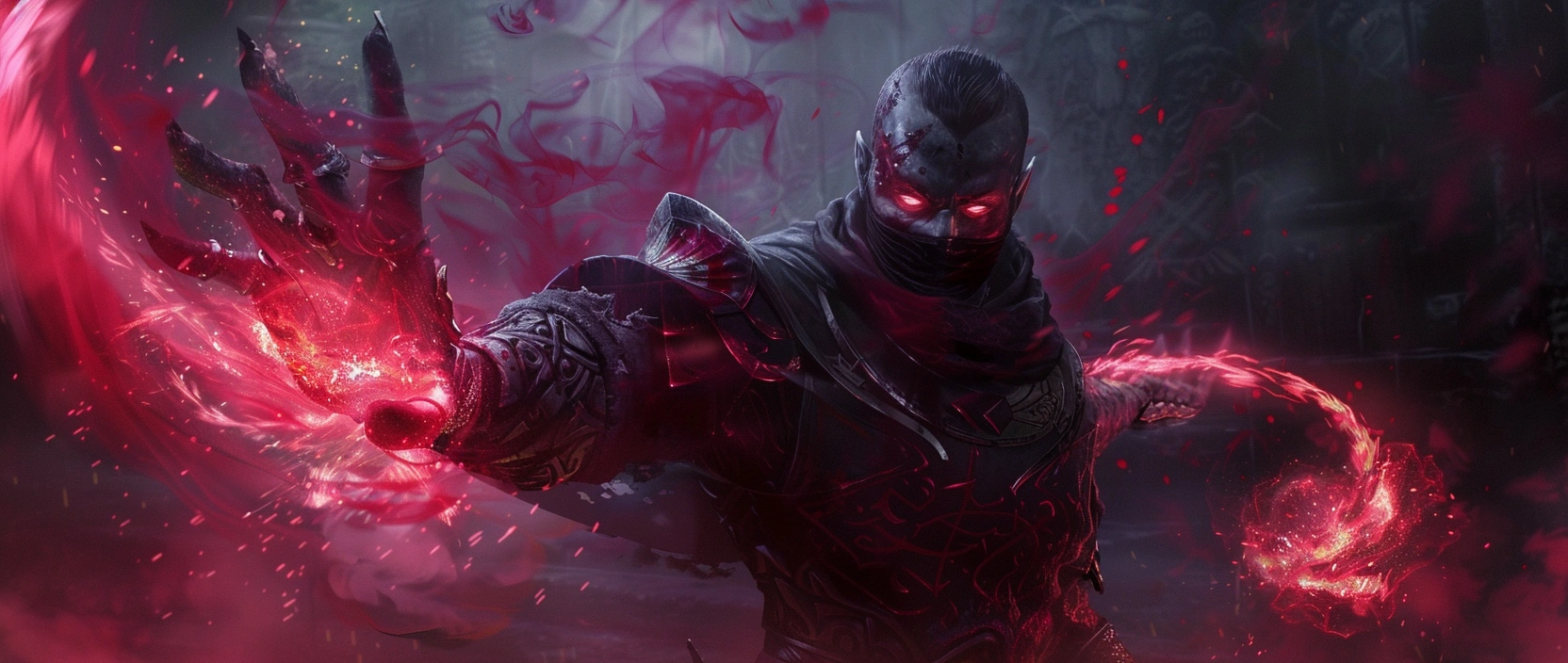
- Bloodbinders — a high-risk faction fueled by sacrifice, life exchanges, and volatile power surges.
The diversity between factions enhances replayability and encourages creative deck-building. Over time, the developers may expand the roster with additional schools and archetypes, ensuring constant evolution of the competitive landscape. This structural flexibility supports Shardbound’s long-term relevance and sustains player interest. As a result, the game rewards developing mastery and reveals its depth through regular play.
3. Web3 Model, Economy, and Key Features
One of the most notable directions for Shardbound’s evolution is its integration with Web3 features. The developers aim to introduce blockchain-based digital assets such as unique cards, cosmetic items, and in-game resources. This gives players genuine ownership of their digital items, allowing them to trade, transfer, or store assets independently of the game client. Because items exist on-chain, their value persists across platforms and over time.
The economic model is built around long-term ownership and the collectible nature of digital assets. In contrast to traditional games where items are tied to a central account, Web3 elements enable free movement and marketplace activity. This structure empowers collectors and strategists alike, creating a broader ecosystem where progression is meaningful beyond pure gameplay. However, such systems require careful implementation to avoid power imbalance and maintain healthy gameplay dynamics.
Core Components of Shardbound’s Web3 Model:
| Component | Description |
|---|---|
| NFT Cards | Collectible items that players can own, trade, or use across platforms. |
| Game Economy | A resource and currency system designed to support blockchain-enabled ownership. |
| Asset Trading | A marketplace for exchanging valuable in-game digital goods. |
| Digital Identity | Permanent, verifiable records of achievements, collections, and ownership. |
| Modularity | A flexible system allowing Web3 features to be optional for traditional players. |
Importantly, Web3 functionality is not mandatory in Shardbound. Developers aim to keep the game accessible to a broad audience, allowing players to enjoy the full experience without touching blockchain mechanics. This dual-path design attracts both conventional gamers and Web3 adopters, giving the project a competitive edge. Such inclusive architecture may help Shardbound stand out among other blockchain-enabled games.
4. Technical Features and System Architecture
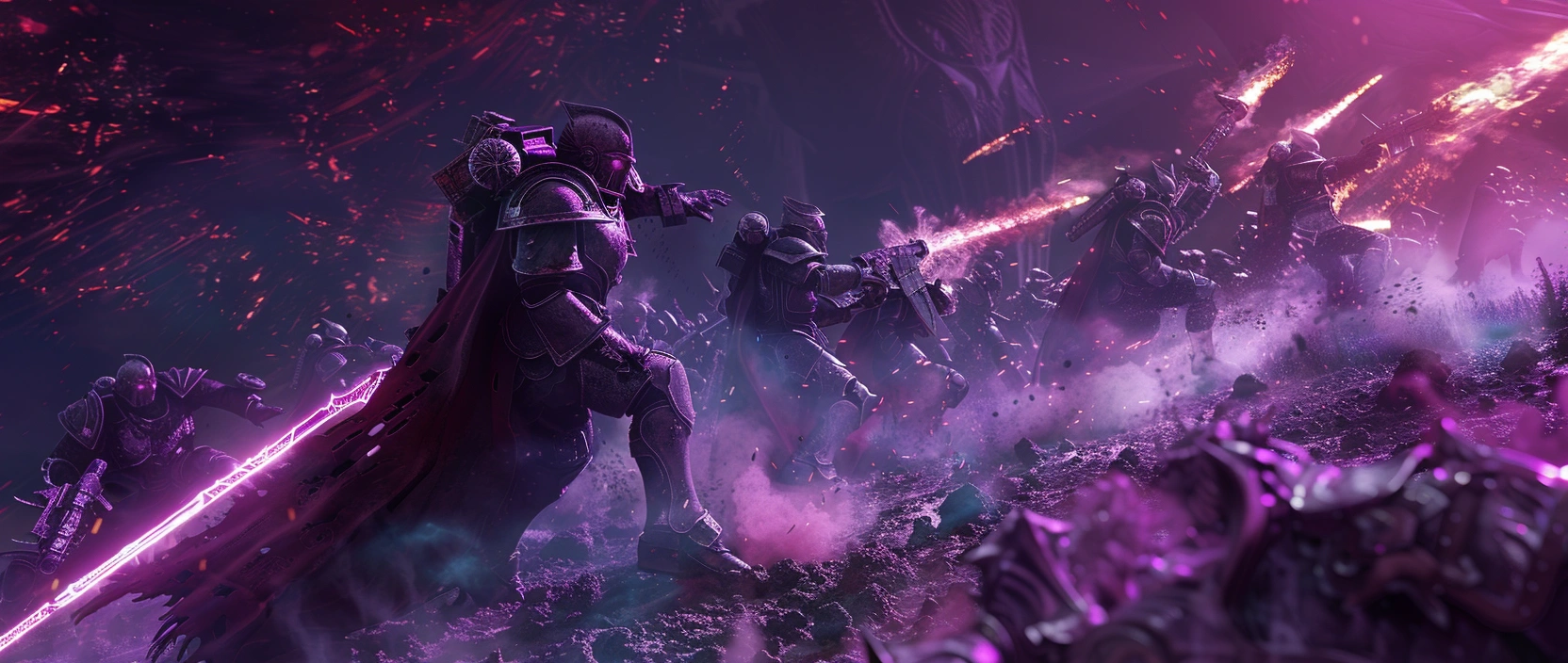
Shardbound’s technical architecture is designed to support stable online matches, rich visual presentation, and scalable long-term development. The game uses an optimized engine capable of handling numerous animations, particle effects, and detailed models without compromising performance. Reliable responsiveness is critical for tactical titles, making smooth gameplay a priority for competitive environments.
The visual aspect is equally robust: units feature distinctive 3D designs, expressive animations, and faction-specific aesthetics that enhance immersion. Terrain elevation and environmental elements influence movement, visibility, and unit placement, deepening the tactical layer. This attention to detail transforms each match into a visually striking encounter with cinematic qualities.
The system is built with flexibility in mind, allowing developers to introduce new features, factions, event modes, and Web3 components without substantial reworks. This modularity ensures long-term viability and allows Shardbound to evolve organically alongside player expectations. By maintaining a scalable technical foundation, the team secures a strong position for future expansions and ecosystem growth.
5. Future Prospects, Challenges, and Shardbound’s Potential
The future of Shardbound depends largely on the team’s ability to balance in-depth tactical gameplay with Web3-driven economic opportunities. The game already offers a strong foundation: strategic complexity, appealing aesthetics, and a polished presentation. These qualities attract both traditional strategy fans and players interested in digital ownership. However, maintaining healthy gameplay requires careful separation between competitive balance and economic incentives.
One major challenge will be ensuring the stability and fairness of the in-game asset market. While NFTs and tradable items can enhance engagement, they may also lead to speculation that disrupts the game’s ecosystem. The developers must create a progression system where skill, knowledge, and strategic thinking—not financial investment—drive competitive success. Achieving this balance is essential for long-term sustainability.
If Bazooka Tango continues expanding the lore, enhancing animations, hosting PvP tournaments, and launching new content cycles, Shardbound may become a prominent example of how strategy games evolve in the Web3 era. With an active and passionate community, the project has the potential to build a vibrant ecosystem where gameplay and digital ownership coexist harmoniously. This layered structure positions Shardbound for lasting relevance within the tactical genre.
6. Conclusion
Shardbound is an ambitious, multifaceted project that blends deep tactical mechanics, collectible systems, and carefully integrated Web3 elements. It demonstrates how modern games can adopt hybrid models while preserving strategic integrity. With its rich gameplay foundation and forward-looking design, Shardbound stands out as a notable example of innovation within the tactical strategy space.
If the developers maintain balance between core mechanics and digital economy, Shardbound could become one of the most impactful next-generation strategy titles. Its adaptability, accessibility, and Web3-ready architecture make the project uniquely positioned in the rapidly evolving gaming landscape. As the ecosystem grows, Shardbound has the potential to set new standards for hybrid tactical and blockchain-enhanced experiences.











