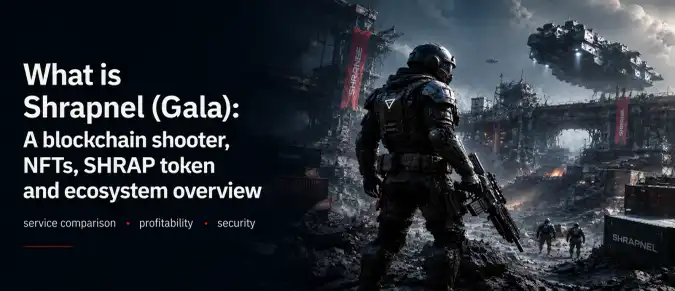

Shrapnel is a multiplayer AAA extraction FPS blockchain game that combines competitive shooter gameplay with digital ownership and user-generated content. Set in the near future, the game takes place after a catastrophic event that created the mysterious Sacrifice Zone, an anomalous region rich in valuable resources. Players enter dangerous expeditions, collect loot, battle other operators, and attempt to extract safely with their rewards. The Shrapnel ecosystem leverages Web3 infrastructure to support NFT assets, the in-game economy, and creator tools, while the core gameplay remains a fast-paced, high-quality online shooter.
Contents
- What Is Shrapnel and How Does the Blockchain Shooter Work?
- Gameplay, Extraction Mechanics, and User-Generated Content
- How Shrapnel Differs from Other Web3 Games
- The Gala Ecosystem, NFTs, and the SHRAP Token
- Risks and Future Prospects of Shrapnel
1. What Is Shrapnel and How Does the Blockchain Shooter Work?
Shrapnel is an extraction FPS where success depends not only on defeating opponents but also on safely extracting valuable loot. Every expedition carries the risk of losing collected equipment if the player is eliminated, making every tactical decision meaningful.
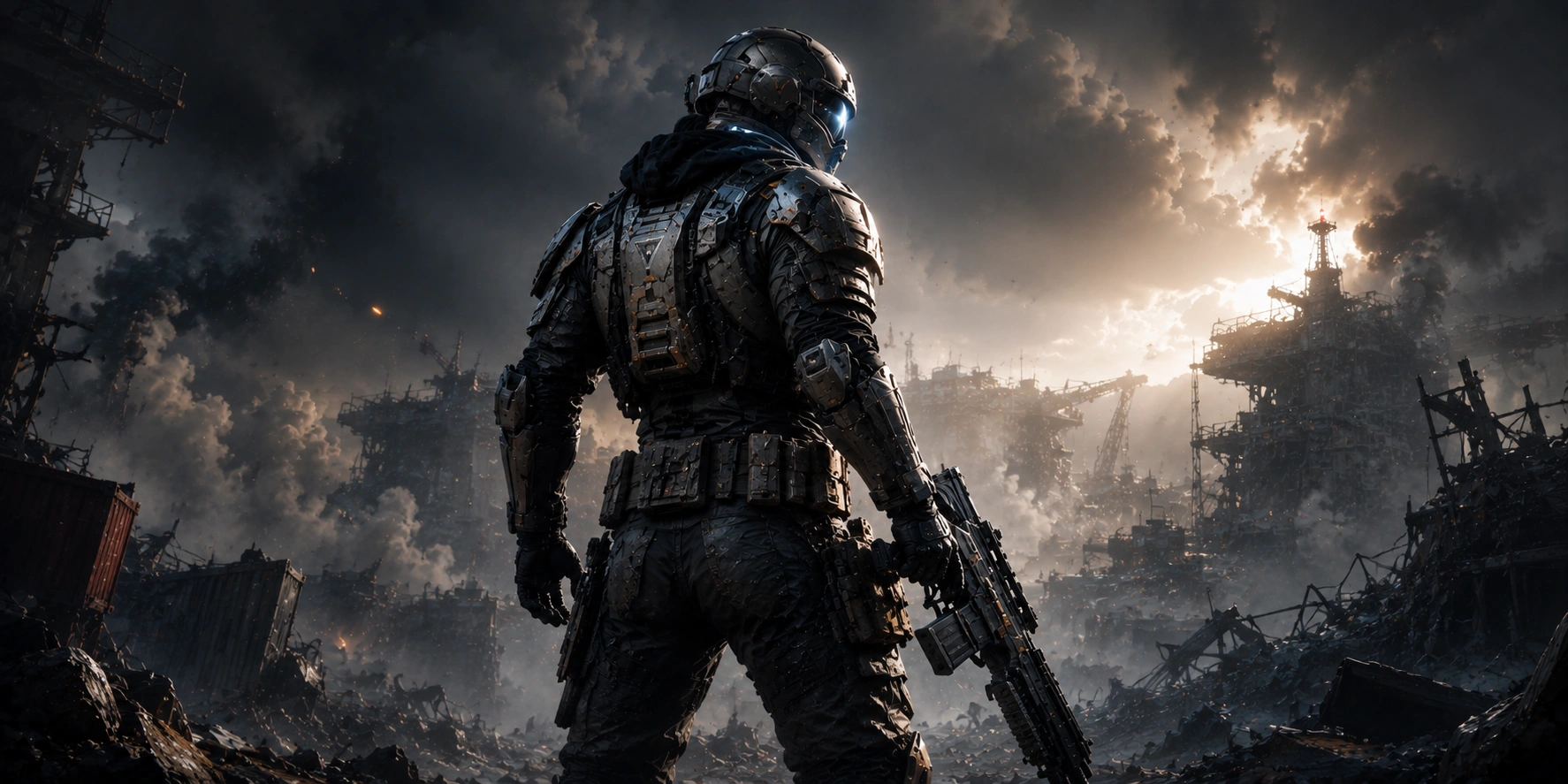
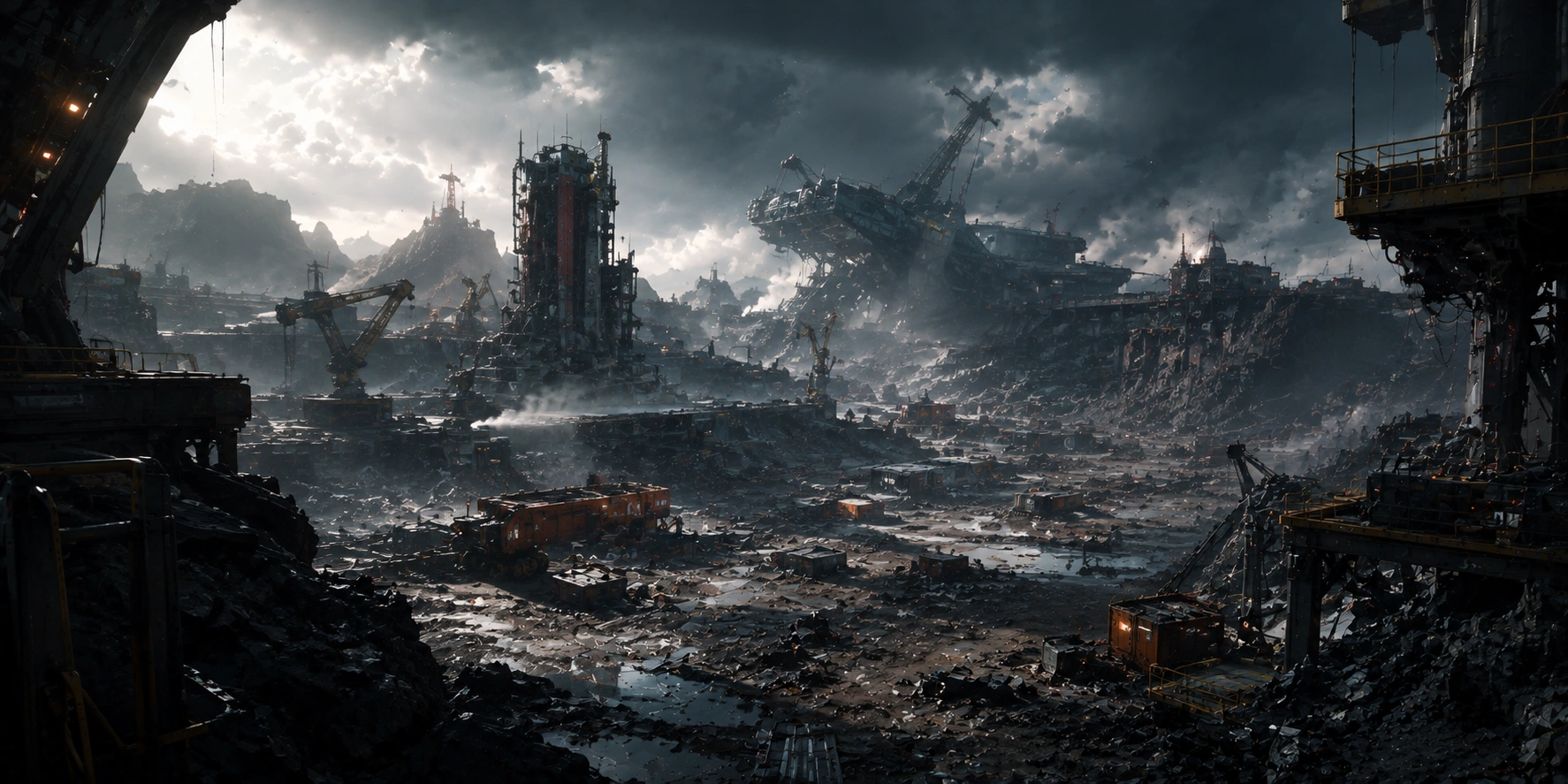
The game is set in a futuristic world following the impact of a massive asteroid that created the mysterious Sacrifice Zone. This dangerous area contains rare resources sought after by multiple factions competing for control.
The project is being developed by Neon Machine with contributions from industry veterans who previously worked on major AAA game franchises. Built with Unreal Engine 5, Shrapnel is designed for PC and focuses on high-quality visuals, realistic environments, and dynamic first-person combat.
Unlike traditional online shooters, Shrapnel integrates digital ownership into selected parts of its ecosystem. Blockchain technology is used to manage ownership of specific assets, marketplace trading, and parts of the game's economy rather than processing every gameplay action.
2. Gameplay, Extraction Mechanics, and User-Generated Content
The gameplay revolves around PvPvE extraction missions. Players explore hazardous environments, gather valuable resources, interact with the world, fight both enemy players and AI-controlled opponents, and attempt to reach an extraction point before losing everything.
One of the project's defining features is its advanced user-generated content ecosystem. Developers provide creation tools that allow players to build maps, game assets, cosmetic items, and other digital content that can become part of the ecosystem after review and approval.
- PvPvE extraction gameplay;
- Exploration of the Sacrifice Zone;
- Loot collection and successful extraction;
- Combat against players and AI enemies;
- User-generated content creation;
- NFT items and digital collectibles;
- Trading game assets through marketplaces;
- A creator-driven digital economy;
- Powered by Unreal Engine 5.
Every match revolves around risk versus reward. The more valuable resources players collect, the greater the likelihood of encountering hostile operators before reaching the extraction point.
The built-in creator tools significantly expand community participation. Players can produce their own game assets and contribute directly to the ecosystem, distinguishing Shrapnel from most conventional online shooters.
3. How Shrapnel Differs from Other Web3 Games
Many early blockchain games focused primarily on token rewards. Shrapnel follows a different philosophy by placing AAA-quality gameplay at the center while using Web3 technology to support digital ownership, trading, and creator-driven economies.
The project also stands out through its strong emphasis on user-generated content. Instead of relying exclusively on official developers, community creators can design and publish approved content using dedicated creation tools.
| Model | Primary Gameplay | Blockchain Role | Key Feature |
|---|---|---|---|
| Shrapnel | Extraction FPS | NFTs, digital economy, and creator tools | AAA Web3 shooter |
| Traditional Play-to-Earn | Token rewards | Tokens and NFTs | Reward-based economy |
| NFT Game | Digital collectibles | NFT ownership | Asset trading |
| Traditional Extraction FPS | Combat and extraction | Not used | Closed in-game economy |
Another important distinction is the separation between gameplay and blockchain transactions. Matches are played without requiring every action to be confirmed on-chain, while blockchain technology is reserved for ownership and marketplace functionality.
This architecture preserves the responsiveness expected from a competitive shooter while giving players verifiable ownership of selected digital assets beyond a centralized game database.
4. The Gala Ecosystem, NFTs, and the SHRAP Token
The Shrapnel economy is centered around the SHRAP token, which serves as the ecosystem's primary digital asset. It is designed for marketplace transactions, creator economy interactions, asset creation, and other platform functions supported by the project's infrastructure.
NFTs include weapons, cosmetic items, collectibles, and other digital assets. Owners can store supported NFTs in compatible wallets and use them according to the platform's ecosystem rules.
A key component of the project is its creator economy. Users can publish original content and, under certain conditions, monetize their creations through integrated marketplace mechanisms.
Although Shrapnel has historically been associated with the Gala Games ecosystem, it operates with its own digital asset infrastructure and economic model. The platform continues expanding its creator tools and marketplace functionality as development progresses.
5. Risks and Future Prospects of Shrapnel
The primary challenge facing Shrapnel is intense competition within the extraction FPS genre. Long-term success depends on maintaining balanced gameplay, responsive gunplay, regular content updates, and stable online infrastructure.
Additional risks stem from the use of digital assets. The value of NFTs and the SHRAP token depends on market demand, liquidity, and overall cryptocurrency market conditions. The ecosystem also relies on the security of smart contracts, blockchain infrastructure, and integrated marketplaces.
The creator economy offers significant opportunities but also requires effective moderation, quality control, and intellectual property protection. The long-term health of the ecosystem will largely depend on the quality and diversity of community-created content.
At the same time, Shrapnel remains one of the most ambitious AAA projects in the Web3 gaming sector. If the development team successfully balances competitive extraction gameplay, digital ownership, and a sustainable in-game economy, the project could establish itself among the leading blockchain games. Its long-term success will depend on community engagement, the growth of user-generated content, the stability of the SHRAP economy, and the continuous evolution of the game world.











