

Sidus Arena is the combat-focused direction of the SIDUS metaverse, presented as a browser-based PvP game with a turn-based battle system. At first glance, it resembles classic arena battler projects, but its key feature lies in the deep integration with economy, NFT assets, and tokens. Combat here does not exist in isolation — it is directly connected to character progression, trading, resources, and the infrastructure of the entire ecosystem. As a result, Sidus Arena is not just a game, but part of a larger model where users simultaneously play, develop assets, and interact with a digital economy.
Contents
- Sidus Arena within the ecosystem
- Gameplay and battle mechanics
- Sidus Arena economy and progression
- Tokens and the project’s financial model
- Getting started and future prospects
1. Sidus Arena within the ecosystem
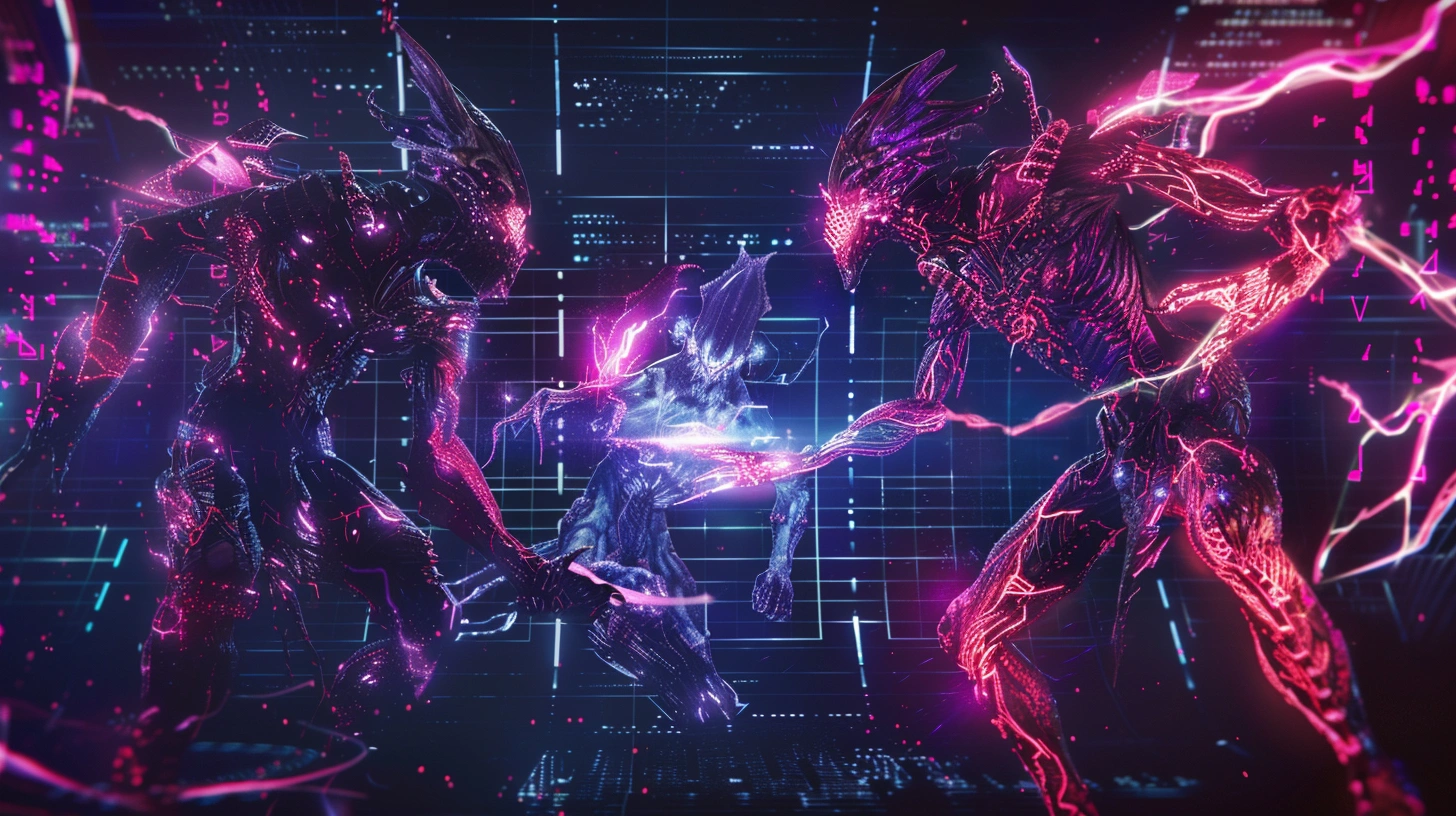
Sidus Arena is not a standalone product but part of the broader SIDUS metaverse. It serves as the combat core where players interact directly, testing the strength of their characters and strategies. Within the project, this direction is known as Nidum Arena Battler and connects competitive gameplay with the overall economic system.
The key idea is that every player action affects their position within the ecosystem. Victories increase ranking, unlock new opportunities, and strengthen characters. These improvements then carry over into other parts of the project — such as the marketplace or upgrade systems. In this way, the arena becomes not just a place for battles, but a mechanism for generating progression.
This approach sets Sidus Arena apart from traditional PvP games. Players are involved not only in matches but also in managing resources, assets, and long-term development. This creates a more complex gameplay experience and builds a foundation for long-term engagement.
The arena also acts as an entry point for new users into the ecosystem. Through it, players can learn the core mechanics and gradually move toward more advanced features. This reduces the initial complexity and makes onboarding smoother. In the long run, this approach helps retain players within the platform.
2. Gameplay and battle mechanics
The core gameplay is based on turn-based battles, where outcomes depend on hero combinations, equipment, and decision-making. Players build a squad of up to three characters and bring them into the arena against others. Every decision matters, making strategy just as important as raw stats.
The game features three races: Raptorian, Voltrone, and Ogya. Each has its own abilities and combat style. They interact with status effects — special mechanics that buff allies or weaken enemies. This creates tactical depth, requiring players to consider not only damage but also cumulative effects over time.
The equipment system adds further variability. Weapons, armor, and additional items allow players to customize how characters perform in battle. Even the same hero can behave differently depending on the chosen setup, encouraging experimentation and reducing repetition.
Team synergy also plays an important role. Some abilities enhance allies or combine with others to create powerful effects. This rewards thoughtful team-building rather than random selection. Over time, players develop more advanced strategies and improve their overall performance.
3. Sidus Arena economy and progression
The economic model of Sidus Arena is tightly integrated with gameplay. Victories provide not only ranking points but also resources used for progression. Players gradually strengthen their characters, unlock new features, and gain access to more advanced layers of interaction.
The marketplace plays a crucial role, allowing users to buy and sell items, upgrades, and other assets. This creates an additional layer of engagement: players are not only fighting but also managing resources. As a result, gameplay and economy form a closed loop that supports continuous activity.
- battles provide points and resources;
- resources are used for upgrades and progression;
- items can be traded or sold;
- ranking unlocks new opportunities;
- seasons refresh competition and engagement.
This structure helps Sidus Arena build a sustainable model where players are motivated to return. Progress accumulates over time instead of resetting, increasing engagement and long-term interest.
The economy also supports different playstyles. Some users focus on trading, while others prioritize combat. This creates diverse interaction scenarios within a single system. As a result, the project appeals not only to gamers but also to those interested in digital economies.
4. Tokens and the project’s financial model
The Sidus Arena ecosystem uses multiple token types, each serving a specific purpose. This separation allows for efficient management of gameplay, governance, and transactions without overlap.
SIDUS functions as the main utility token, used for rewards, in-game operations, and marketplace interactions. SENATE serves a governance role, enabling participation in decision-making and project development. QSIDUS operates as an internal unit for fast transactions within the platform.
| Token | Type | Purpose | Feature |
|---|---|---|---|
| SIDUS | Utility | Rewards, fees, purchases | Main ecosystem currency |
| SENATE | Governance | Voting and decision-making | Used for strategic control |
| QSIDUS | Internal | Fast marketplace transactions | Pegged to internal rate |
This distribution increases flexibility. Players can participate at different levels — from simple transactions to influencing the project's direction. It enhances engagement and broadens usage scenarios.
Additionally, separating token roles reduces system load. Fast transactions remain efficient, while governance actions are handled independently. This creates a smoother and more balanced user experience overall.
5. Getting started and future prospects
The entry barrier in Sidus Arena depends on the chosen approach: players can start with basic access, rent assets, or purchase them. This flexibility improves accessibility but requires understanding of the interface, mechanics, and economic structure to fully participate. The project’s strength lies in its complexity, combining PvP gameplay, progression, and asset ownership into a unified system.
However, this complexity can be a challenge, especially for newcomers. The game is evolving into a broader ecosystem where success depends not only on battles but also on economic participation. With continued development, new modes, and improved balance between accessibility and depth, the project has the potential to attract a wider audience.
Further growth may depend on improving user experience and simplifying onboarding. This would allow new players to engage more quickly while preserving the depth of mechanics. If executed well, Sidus Arena could strengthen its position as a mature Web3 gaming product.











