

Project Red is an ambitious Web3 game that combines elements of the metaverse, NFT assets, and a decentralized economy. The project aims to create not just a gaming environment, but a полноцен digital ecosystem where users gain control over their resources and can actively participate in shaping the game world. Unlike traditional games, value here is generated by players, while blockchain ensures transparency and true ownership of assets.
Table of Contents
- Project Red Concept and Vision
- Gameplay and Core Mechanics
- Economy and Tokens of Project Red
- Technological Foundation
- Future Outlook and Development
1. Project Red Concept and Vision
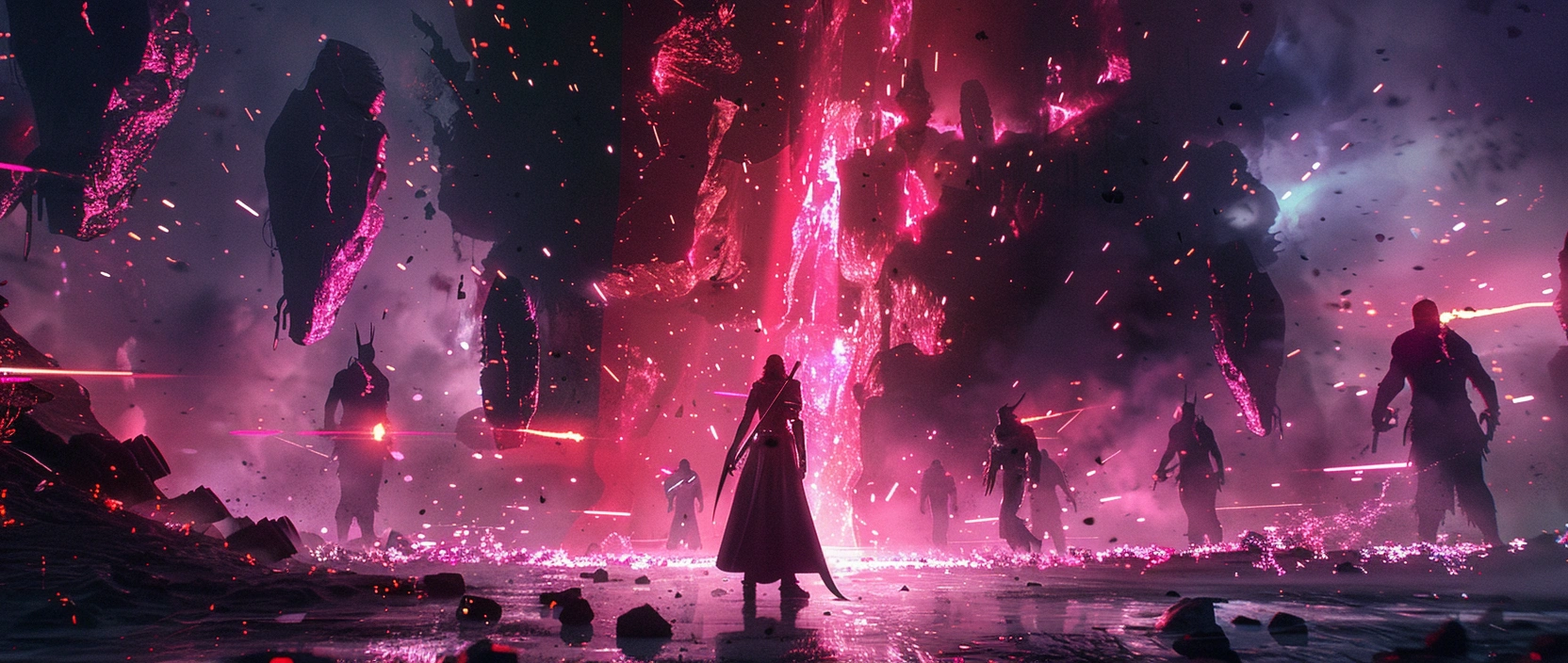
Project Red is positioned as a Web3 game where the boundaries between gameplay and economic activity are blurred. Its core idea is to build a digital environment where users interact not only for entertainment but also to generate real value. The foundation lies in ownership: players fully control their NFT assets rather than merely accessing them through a centralized platform.
The developers emphasize decentralization. This means that key elements of the system — including the economy, in-game items, and parts of governance — are distributed among participants. Such an approach reduces reliance on centralized control and makes the ecosystem more resilient to external changes.
Additionally, the project aims to merge multiple sectors: gaming, DeFi, and NFTs. This creates a hybrid model where in-game actions are directly connected to financial mechanisms. As a result, a new type of digital experience emerges, going beyond traditional gaming frameworks.
The concept also includes digital identity, where each user builds a unique profile linked to their assets. This enhances personalization and allows players to create their own narratives within the Project Red universe. Importantly, the developers focus on long-term ecosystem growth rather than short-term engagement cycles, bringing the project closer to a full-scale digital universe.
2. Gameplay and Core Mechanics
Gameplay in Project Red revolves around interaction with digital objects and characters represented as NFTs. Each asset has unique attributes, influencing the player’s strategy. Users can upgrade characters, participate in events, and complete missions to earn token-based rewards.
One of the defining features is its flexibility. Players can choose different progression paths, from PvE activities to competitive PvP battles. This adaptability allows users to tailor their experience, increasing overall engagement.
- character progression and skill upgrades;
- participation in battles and tournaments;
- collecting and trading NFT assets;
- interaction with other players in the metaverse;
- mission-based gameplay with economic rewards.
The game also incorporates systems that encourage long-term participation. For instance, progression mechanics and asset rarity enhance the value of achievements. This increases the significance of time spent in the game and motivates players to stay engaged.
Social interaction plays a major role as well. Players can form communities, build alliances, and take part in cooperative activities. This creates a stable environment where user interaction becomes an integral part of gameplay. Seasonal events further refresh content and maintain player interest.
3. Economy and Tokens of Project Red
The economic model of Project Red is one of its core pillars. It is built around tokens used for various functions, from purchasing assets to participating in governance. This structure creates an internal market where value is determined by supply and demand.
The system includes multiple token types, each serving a specific purpose. This separation allows for a balance between gameplay mechanics and governance processes.
| Token | Purpose | Role in Ecosystem |
|---|---|---|
| RED | Main token | Used for transactions and trading |
| rRED | In-game resource | Rewards for gameplay and participation |
| gRED | Governance | Used for voting and ecosystem decisions |
Tokenomics is designed with sustainability in mind. Limited supply and burning mechanisms help control inflation, making the system more stable and appealing for long-term participants. The ecosystem also supports a secondary market, enabling asset exchange and increasing liquidity.
Additional incentive mechanisms such as staking and economic events allow users to earn passive income beyond gameplay. Maintaining a balance between supply and demand is crucial, and this is achieved through integrated game mechanics, ensuring economic stability.
4. Technological Foundation
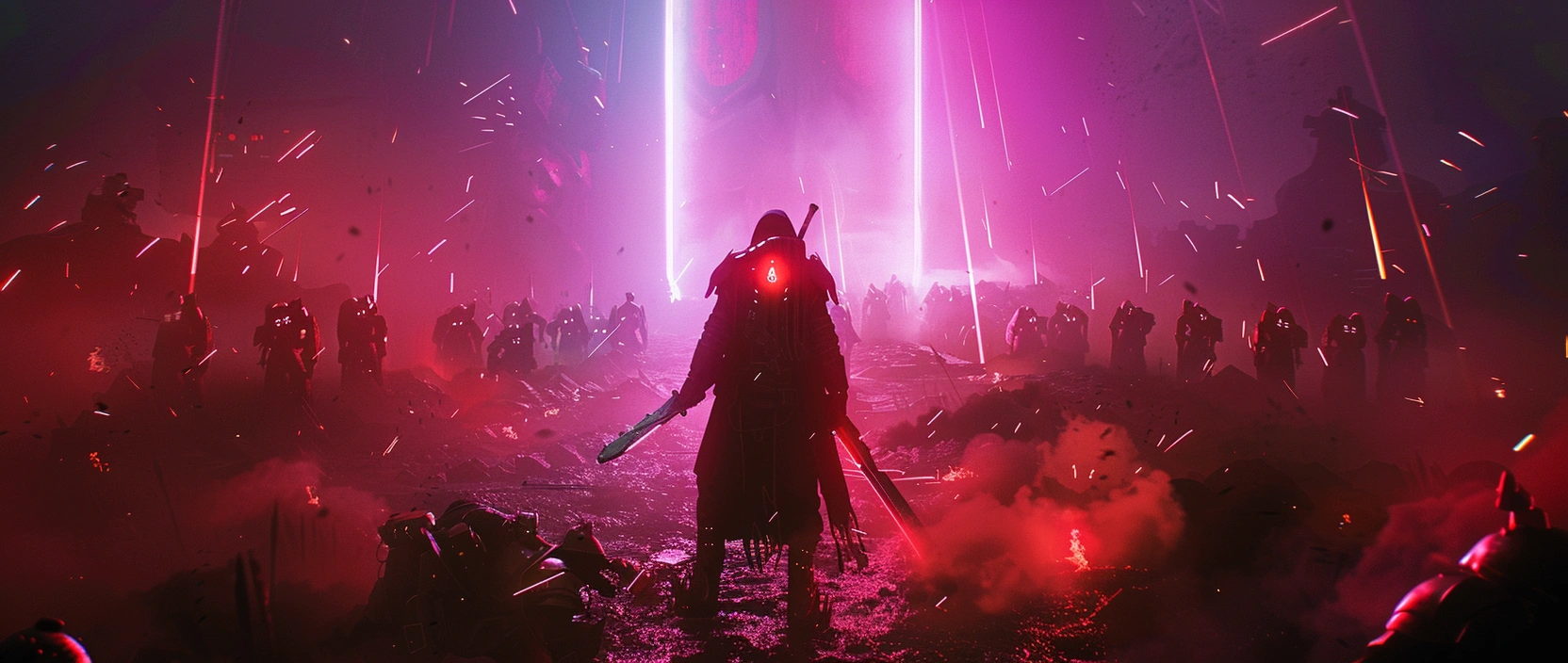
Project Red uses blockchain as the backbone for data storage and asset management. This guarantees transparency and protects users from manipulation. Every transaction is recorded on a distributed ledger, preventing falsification.
The technical architecture includes smart contracts that automate core processes. These handle reward distribution, NFT management, and transaction execution, reducing the need for intermediaries and improving efficiency.
The project also integrates with metaverse environments and other Web3 platforms. This expands functionality and allows assets to move across different ecosystems, forming a unified digital space.
From a performance standpoint, developers aim to optimize scalability by lowering transaction costs and increasing processing speed. Security is also a priority, with audits and advanced protection methods ensuring system reliability and user trust.
5. Future Outlook and Development
The future of Project Red is closely tied to expanding functionality and attracting a broader audience. The team focuses on enhancing gameplay modes, improving visuals, and strengthening social mechanics to create a richer experience. Integration with other Web3 projects will further extend asset utility and ecosystem value.
DAO-based governance is expected to play a key role, enabling the community to influence important decisions. This increases engagement and makes the ecosystem more adaptive. In the long term, Project Red may become part of a broader digital economy where gaming, finance, and social interaction converge.
The development of mobile and cross-platform solutions will expand accessibility, while new economic tools will enhance user interaction. Additionally, personalized content and adaptive systems may improve retention and user satisfaction. These steps position the project for sustainable growth in the evolving Web3 gaming landscape.











