

Tonball is an experimental Web3 game built on the TON blockchain and available directly through a Telegram bot. The project combines the mechanics of instant Telegram games with the economy of decentralized networks. Players can own unique digital assets, participate in dynamic matches, and earn tokens — all within the familiar Telegram interface. This format makes the game accessible, fast, and technologically innovative. Below is a detailed analysis of Tonball’s concept, gameplay, economy, technology, and potential risks.
Contents
- Concept and Idea of Tonball
- Core Gameplay Mechanics
- Economic Model and NFT Structure
- Technological basis of the project
- Risks and development prospects for Tonball
- Conclusion
1. Concept and Idea of Tonball
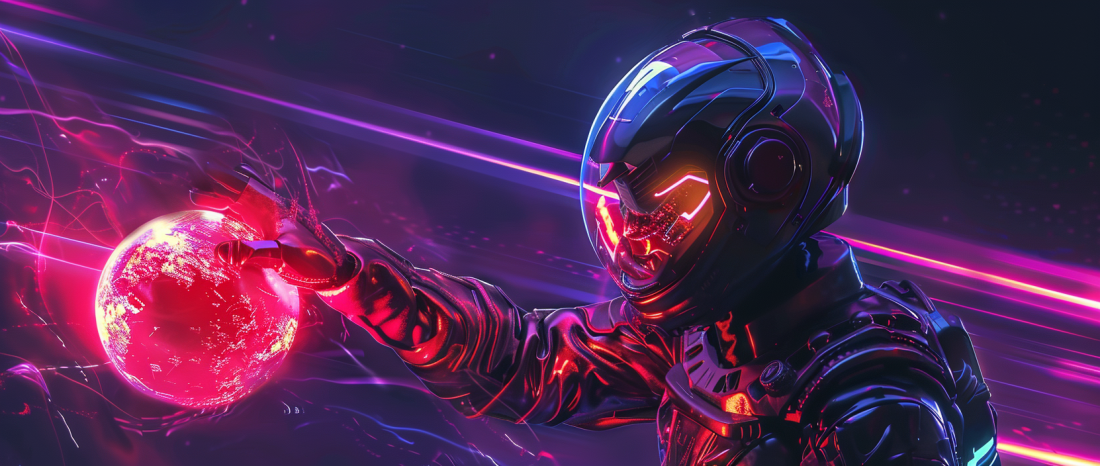
Tonball positions itself as the first sports-arcade Web3 game built on Telegram and the TON network. Players control digital objects — balls or characters — competing with others in real-time. The project merges the simplicity of casual mini-games with the ownership and economic structure of blockchain technology. Each action has real meaning: victories, purchases, and achievements are recorded in smart contracts and become part of the player’s digital history.
The main goal of Tonball is to demonstrate how gaming mechanics can merge with crypto-economy without complicating the user interface. Telegram acts not just as a platform but as a full-fledged gaming ecosystem, where users experience Web3 seamlessly. This creates a new kind of interaction — where entertainment and digital ownership coexist naturally.
The project’s concept aligns with the philosophy of open TON games — combining simple user experience with the transparency of blockchain technology. If the developers execute their roadmap successfully, Tonball may become a benchmark for how Web3 transitions from technical experiments to mass-market gaming. Furthermore, this model illustrates how Telegram could evolve from a messenger into a decentralized gaming hub for Web3 mini-games.
2. Core Gameplay Mechanics
Tonball’s gameplay emphasizes speed, engagement, and competition. It’s designed for short yet intense play sessions where reflexes and strategy determine success. The Telegram interface turns interactions into instant actions — every move is made through simple buttons and in-chat commands. This ensures low entry barriers and high engagement for all players.
Below are the key gameplay elements that form the foundation of Tonball:
- Real-time matches: Players compete against others or AI opponents, earning points and ranking up.
- NFT collectibles: Every ball, arena, or character is a unique NFT with its own attributes and rarity.
- Levels and progression: Experience and rewards unlock new arenas, skins, and challenges.
- Seasonal events: Limited tournaments offering TON token rewards and exclusive NFT prizes.
- Social features: Rankings, team battles, chat integration, and clan systems.
These mechanics create not just entertainment but a living social-economic ecosystem. The more active a player is, the more they can earn and engage with the market. In this way, Tonball combines arcade competitiveness with the strategic depth of Web3 gaming. Future updates could introduce co-op missions and community-driven tournaments, expanding the sense of belonging and reinforcing the game’s longevity.
3. Economic Model and NFT Structure
The Tonball economy is centered around a combination of in-game tokens and NFT assets. Every gameplay element can be tokenized: balls, arenas, and skins exist as NFTs with real market value. The system is designed not just to reward participation but to sustain an economic cycle where asset value depends on rarity and demand.
The table below outlines the key economic components of Tonball:
| Element | Description | Role in Economy |
|---|---|---|
| Game Token | Used for purchases, upgrades, and tournament entry fees | Drives economic circulation and incentivizes activity |
| NFT Assets | Unique balls, arenas, and skins with specific attributes | Encourages collecting and monetization |
| Marketplace | Platform for NFT and token trading | Provides liquidity and defines value |
| Stakes and Rewards | Matches with token-based rewards | Motivates participation and strategic risk-taking |
| Developer Fund | Portion of fees reinvested into project development | Ensures sustainability and growth |
This structure supports a self-sustaining economic loop. NFTs act as functional digital assets rather than mere cosmetics — they can be used, upgraded, or traded. Participation in tournaments, completing missions, and community activity amplify token demand and market competition. With well-balanced tokenomics and burn mechanics, Tonball can achieve economic stability and long-term scalability.
4. Technological basis of the project
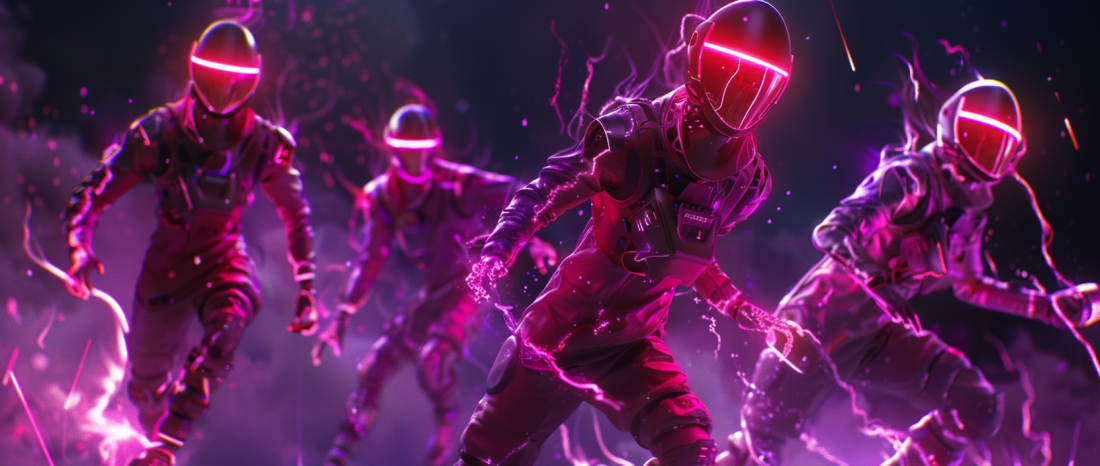
Tonball’s infrastructure is built on the TON blockchain — a high-speed, Telegram-integrated network. This ensures seamless synchronization between wallet operations, NFT ownership, and game interactions. All transactions — from NFT purchases to battle rewards — are processed via smart contracts, ensuring transparency and eliminating intermediaries.
The Telegram bot acts as the primary client, enabling players to manage assets, join matches, and receive updates directly in chat. Integration with TON Wallet or compatible solutions allows users to sign transactions instantly. This approach simplifies onboarding and makes Web3 gaming accessible even to non-crypto users.
From a technical standpoint, Tonball may utilize Layer-2 scalability solutions, developer APIs, and off-chain updates for optimized performance. By implementing open-source smart contracts and independent audits, the project can reinforce user trust. Future updates could include SDK tools for third-party developers to build mini-games under the Tonball ecosystem — transforming it into a Web3 gaming hub within Telegram.
5. Risks and development prospects for Tonball
Despite its innovation, Tonball faces challenges common to early-stage Web3 projects. The main concern is transparency: without a whitepaper or verified audits, players can’t fully assess security risks. Economic threats include potential token inflation, NFT price volatility, and asset concentration among large holders.
Technical limitations also play a role — Telegram’s API restrictions and message rate limits may affect gameplay stability. The development team must implement optimization protocols, backup channels, and streamlined transaction handling. Additionally, regulatory uncertainty around NFTs and crypto assets could pose compliance risks in various regions.
However, Tonball’s integration with TON, easy access, and engaging design give it strong growth potential. By publishing a clear roadmap, fostering community interaction, and maintaining open economics, the project could become a leading example of Telegram-based Web3 gaming. In time, Tonball could evolve into a competitive eSports platform with DAO governance — where players act not only as participants but as co-owners of the digital ecosystem.
6. Conclusion
Tonball exemplifies how Web3 can escape technical complexity and enter mainstream platforms like Telegram. The game blends fun, ownership, and blockchain economics into a seamless experience. It proves that “play and own” can thrive even within a simple chat interface.
In the long run, Tonball could lead the next generation of Telegram-integrated Web3 games. With transparency, security, and consistent updates, it has the potential to become more than a mini-game — a core part of the TON ecosystem. If the team continues innovating and expands through partnerships and cross-game NFTs, Tonball may mark a major milestone in the evolution of decentralized entertainment and user-driven economies.











