
Treeverse: Clouded Dawn is a blockchain-based MMORPG developed by Endless Clouds that combines traditional RPG mechanics with digital ownership of in-game assets. The project is set in the world of Arboros, where players explore different regions, complete quests, fight monsters, enter dungeons, gather resources, and craft equipment. Its Web3 layer is built on Immutable zkEVM and is designed so that basic gameplay does not require users to manually interact with an external crypto wallet. The Treeverse economy includes NFTs and the END token, but its long-term sustainability ultimately depends on demand for the game itself and the utility of digital assets within the gameplay loop.
Contents
- Treeverse: Clouded Dawn — What Is This Blockchain Game?
- MMORPG Gameplay: Open World, Combat, and Character Progression
- NFTs and Digital Assets in the Treeverse Ecosystem
- Immutable zkEVM and the END Token: How the Web3 Infrastructure Works
- Treeverse Economy: Prospects and Key Project Risks
1. Treeverse: Clouded Dawn — What Is This Blockchain Game?
Treeverse is being developed by Endless Clouds as a free-to-play, top-down MMORPG with a cross-platform model. The project targets both mobile devices and PCs. In 2025, a public version became available across several platforms, including iOS, Android, and Windows, while the PC version is distributed through the Epic Games Store. Development remains ongoing, with the team gradually adjusting game balance, content, maps, quests, and combat mechanics.
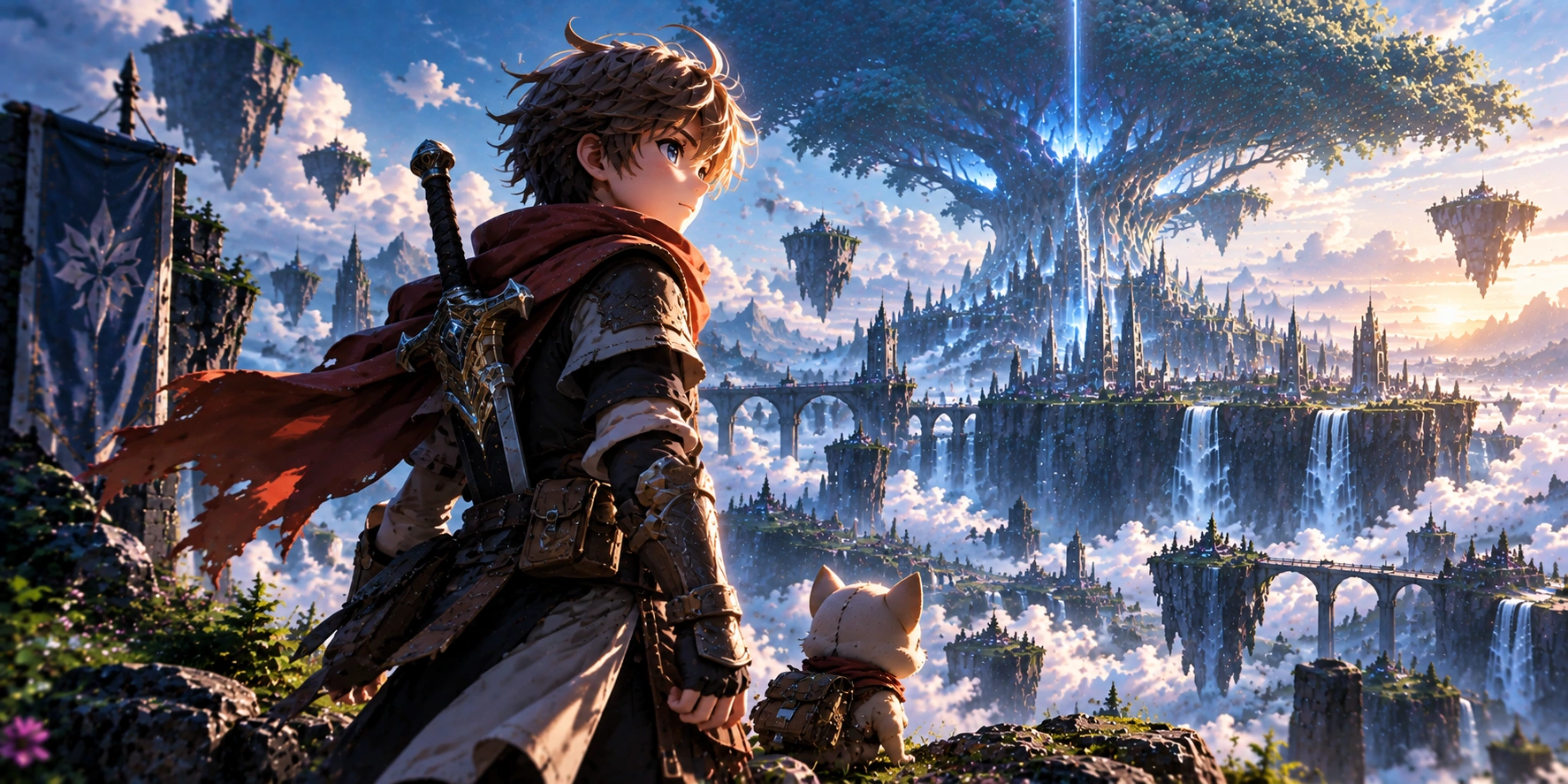
The player's journey takes place in the world of Arboros and is connected to the World Tree. One of the key locations is Lorwick, the starting town from which users begin exploring the surrounding areas. The world includes multiple regions, enemies, NPCs, teleporters, and dungeons. The core gameplay loop is not built around cryptocurrency transactions but around familiar RPG activities such as exploration, progression, resource gathering, equipment crafting, and combat.
The history of the project began well before the public launch of the game. In 2021, Treeverse was associated with NFTrees, a collection of digital trees, while the ecosystem later expanded with the Treeverse Plots and Timeless collections. Early plans envisioned a more pronounced play-to-earn model and a different token structure, but the economic concept evolved during development. As a result, older descriptions of ROOT and SEED no longer reflect the current token model: END has become the ecosystem's economic token.
2. MMORPG Gameplay: Open World, Combat, and Character Progression
Treeverse uses a classless approach, meaning character progression is not intended to be strictly tied to choosing a traditional character class at the beginning of the game. Players explore the world, gain experience, use different weapons, and fight both regular enemies and bosses. Cooperative activities also play an important role, allowing users to team up for dungeon runs and other PvE challenges.
The progression system is complemented by resource gathering and crafting. This is also important for the Web3 model: an MMORPG economy can only remain viable if items, resources, and upgrades are demanded through gameplay itself. For this reason, Treeverse cannot be evaluated solely through its NFTs or token price. The ability of the underlying RPG mechanics to retain players remains a key factor.
Key elements of the gameplay loop include:
- exploring Lorwick and other regions of the Arboros world;
- completing quests and interacting with NPCs;
- fighting monsters and bosses;
- entering dungeons alone or together with other players;
- gaining experience and developing characters;
- collecting resources, crafting, and acquiring equipment;
- using different types of weapons and consumable items.
The developers continue to rework these systems. Updates have changed maps, combat, quests, and items, while introducing new progression mechanics and balance adjustments. This approach indicates that Treeverse remains an evolving game product, meaning its content and individual mechanics may change significantly between seasons.
3. NFTs and Digital Assets in the Treeverse Ecosystem
The Web3 layer of Treeverse is built around the concept of digital ownership, but interacting with NFTs is not a requirement for basic gameplay. Collections associated with the ecosystem include NFTrees, Treeverse Plots, and Timeless. In addition to these early collections, newer digital items have been introduced during game seasons, including cosmetic Crowns and assets that provide temporary bonuses.
Different NFTs serve different purposes. Some assets focus on character appearance, while others are connected to land or additional functionality. The developers are gradually integrating earlier collections into the game, which means the stated long-term utility of individual NFTs may differ from the functionality available to players in a particular version of the game.
| Element | Purpose | Web3 Connection |
|---|---|---|
| NFTrees | Early ecosystem collection | Collectible NFTs with planned in-game utility |
| Treeverse Plots | Digital land plots | On-chain ownership and development of personal spaces |
| Timeless | Characters and visual identities | NFT avatars associated with the Treeverse ecosystem |
| Crowns | Cosmetic items | Tradable digital assets |
| Boost Assets | Temporary gameplay bonuses | May provide boosts related to XP, gold, or other in-game metrics |
| END | Premium ecosystem currency | Tradable ERC-20 token |
For players, an important distinction exists between NFT ownership and access to the game itself. Treeverse can be played without actively interacting with cryptocurrency or NFTs, although certain reward campaigns have introduced additional participation requirements. This approach reduces the dependence of the core gameplay experience on mandatory purchases of digital assets.
4. Immutable zkEVM and the END Token: How the Web3 Infrastructure Works
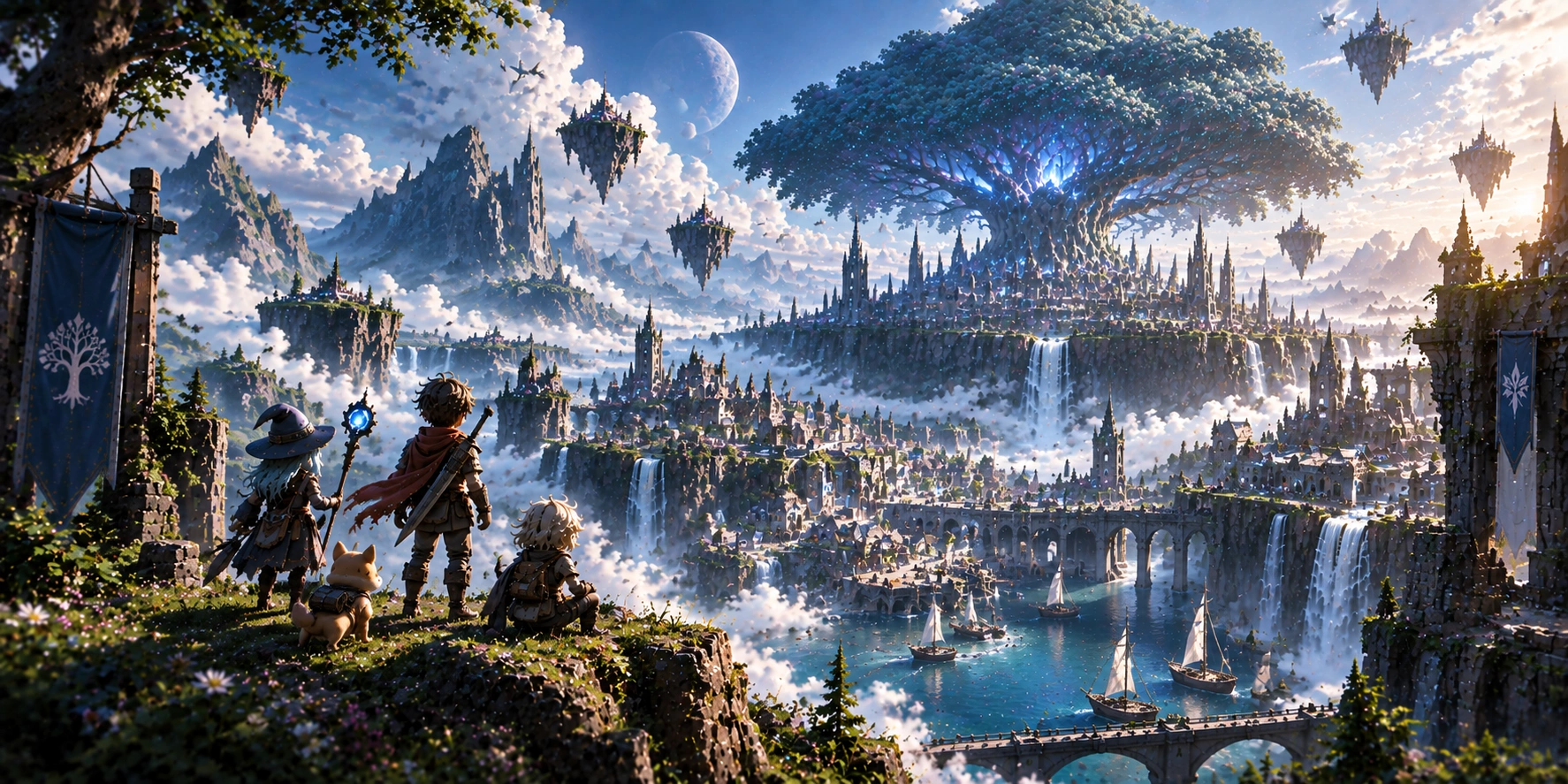
Treeverse uses Immutable zkEVM, a gaming-focused blockchain infrastructure within the Immutable ecosystem. Immutable Passport is used for onboarding. Users can register through a familiar account flow while a wallet is created in the background. As a result, players do not necessarily need to connect an external crypto wallet simply to start playing.
This approach reflects one of the broader trends in Web3 Gaming: blockchain technology is gradually moving away from the user interface and into the infrastructure layer. Players interact with characters, items, and game systems, while operations involving digital ownership are handled by a separate blockchain layer. When required, tradable assets can also be transferred and interacted with through external NFT marketplaces.
The current token model is centered on END. The token has a fixed maximum supply of 500 million units and serves as a premium on-chain currency within the Endless Clouds ecosystem. Its utility includes access to selected cosmetic items and content, while the model also provides for its use in ecosystem activities. END operates across Ethereum and Immutable zkEVM infrastructure.
Treeverse conducted its first major experiment with crypto rewards during Season 1 in 2025. During the campaign, players could earn rewards for completing daily quests, developing skills, and achieving positions on leaderboards, with distributed assets including END, IMX, and MON. END transfers were enabled in July 2025, giving the token full on-chain transferability.
5. Treeverse Economy: Prospects and Key Project Risks
Treeverse represents a model in which Web3 is intended to complement the MMORPG rather than replace the gameplay experience. This distinguishes the current version of the project from earlier blockchain gaming concepts where earning opportunities were often presented as the primary incentive. For a sustainable long-term economy, it is more important that users want to complete dungeons, develop characters, collect items, and interact with other players regardless of the value of external rewards.
At the same time, the existence of the tradable END token introduces an additional economic risk. If a significant share of demand for the token is driven by expectations of future returns while rewards are quickly withdrawn from the ecosystem, the gameplay economy may face an imbalance between incentive emissions and organic demand. Following the activation of END transfers, the market also demonstrated how sensitive a gaming token can be to initial supply, liquidity, and the selling of distributed assets.
There are technological risks as well. On-chain ownership of NFTs does not mean that the MMORPG itself is decentralized: servers, the game client, balance decisions, content, and the development of Treeverse remain dependent on Endless Clouds. In addition, the utility of some early NFT collections is being introduced gradually, so buyers of digital assets should distinguish between functionality that has already been implemented and features planned for future versions.
Overall, Treeverse: Clouded Dawn is an example of how blockchain gaming is evolving from the play-to-earn model toward a more traditional MMORPG structure with an additional layer of digital ownership. Immutable Passport lowers the technical barrier to entry, Immutable zkEVM handles on-chain operations, NFTs provide ownership of selected digital assets, and END forms the premium economic layer. However, the project's prospects depend less on the presence of blockchain itself and more on the quality of the gameplay loop, player retention, and whether in-game demand can support the utility of NFTs and the token without continuous dependence on new reward incentives.