

VRMARS is a blockchain game and metaverse that combines VR technologies, GameFi mechanics, and a Web3 economy within a single virtual space. The project offers users not just a gaming experience, but a full-fledged digital environment where they can interact, own assets, participate in events, and help shape a virtual society. At the core of VRMARS lies the idea of a long-term digital world in which blockchain serves as an infrastructure of trust and ownership rather than a speculative instrument. This approach positions the project toward the future of digital ecosystems instead of short-lived gaming trends.
Contents
- The VRMARS Concept and Metaverse Vision
- Gameplay Mechanics and User Experience
- VRMARS Economic Model and Digital Assets
- Technical Architecture and Web3 Infrastructure
- Future Outlook and Conclusions
1. The VRMARS Concept and Metaverse Vision
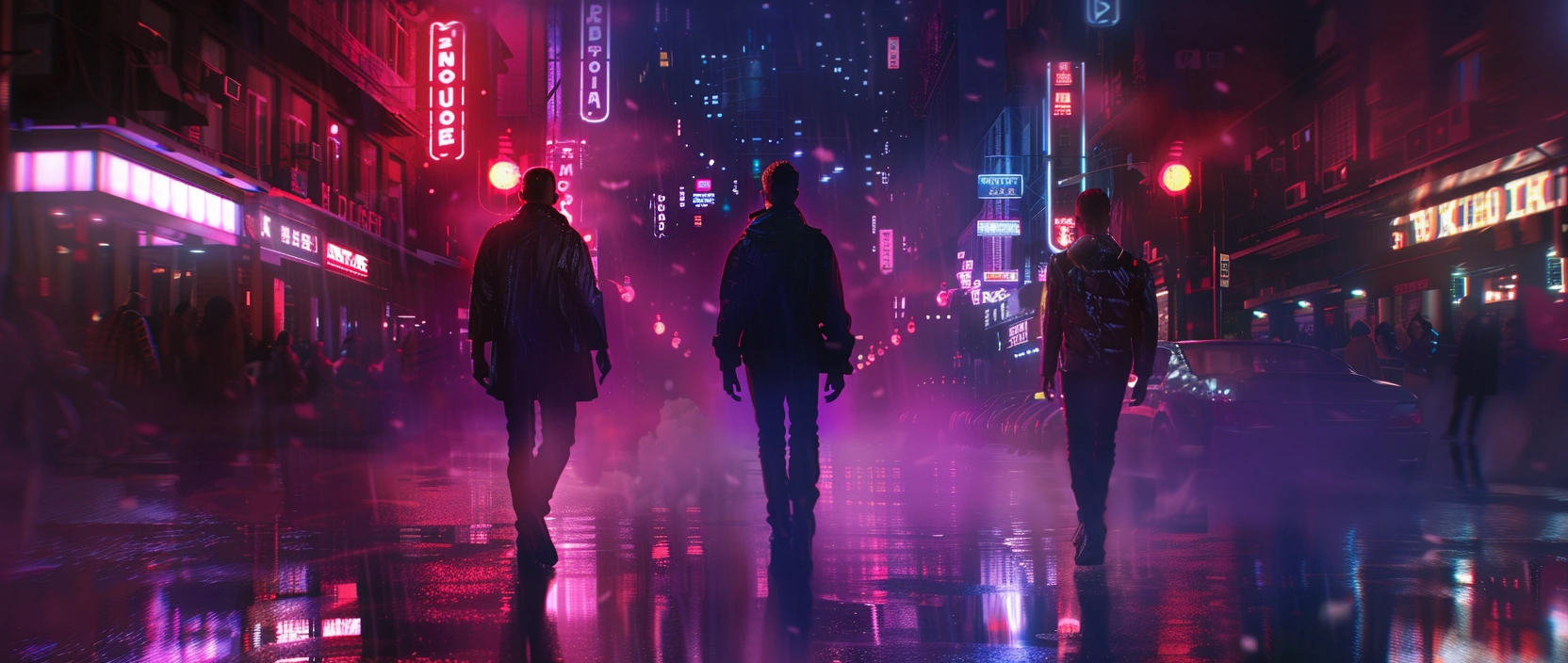
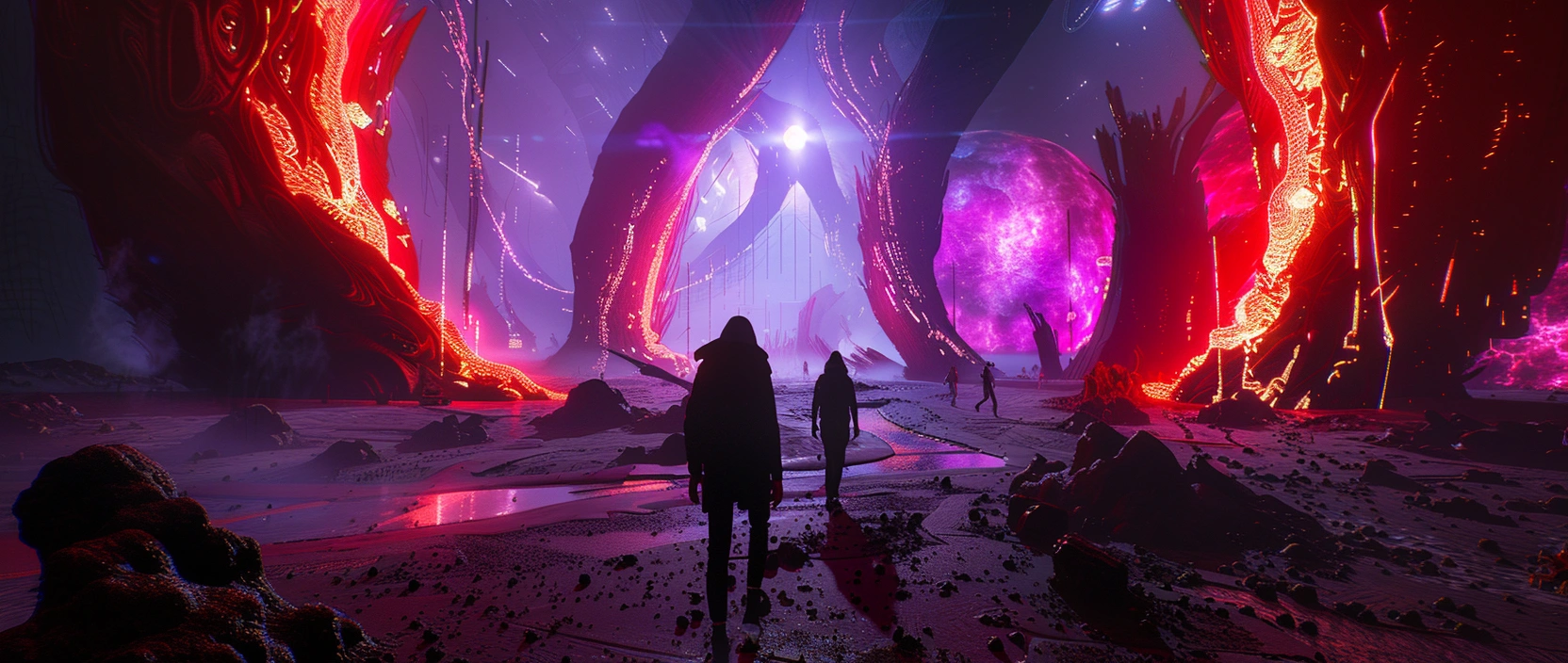
VRMARS is designed as a virtual world inspired by the science-fiction idea of Mars colonization. This concept defines the project’s visual identity and narrative direction, creating a distinctive atmosphere of a digital future. Users enter an environment where technology, social interaction, and economics are woven into a single ecosystem.
Unlike traditional online games, VRMARS aims to become a sustainable metaverse. The focus is not limited to gameplay mechanics, but extends to long-term presence, self-expression, and participation in the evolution of the virtual world. Users can influence the ecosystem through activity, asset ownership, and social initiatives.
Blockchain in VRMARS acts as a foundation of trust and transparency. It records ownership rights, rules of economic interaction, and key parameters of the digital space, creating a sense of stability and predictability for participants. The project naturally fits into the global trend of metaverse development, positioning VRMARS as a space where digital identity and virtual economies evolve alongside the real world.
2. Gameplay Mechanics and User Experience
The gameplay of VRMARS revolves around exploring a virtual world and interacting with other users. Participants can move through different zones, take part in events, complete tasks, and develop their avatars. The use of VR and 3D technologies enhances immersion and makes interactions feel more natural.
Strong emphasis is placed on social mechanics. Cooperative activities, group missions, and user-driven events help build a lively and dynamic community. This transforms VRMARS from a solo experience into a shared social space.
Key elements of the VRMARS user experience include:
- exploration of virtual locations and themed zones;
- creation and customization of digital avatars;
- participation in missions, events, and activities;
- social interaction and cooperation;
- support for both VR and traditional interfaces.
The interface is designed with usability and adaptability in mind. The user journey remains intuitive even for newcomers who are unfamiliar with Web3 concepts. This balance between advanced technology and accessibility increases engagement and supports long-term user retention.
3. VRMARS Economic Model and Digital Assets
The VRMARS economy is built around digital tokens and NFT assets that reflect the value of user activity within the metaverse. The economic model prioritizes long-term sustainability rather than short-term profit extraction. Tokens are used for in-game transactions, access to features, and participation in economic mechanics, while NFTs confirm ownership of unique objects such as items, avatars, and virtual spaces.
| Economic Element | Role in the VRMARS Ecosystem |
|---|---|
| In-game tokens | Transactions, rewards, and access to activities |
| NFT assets | Verified ownership of digital objects |
| Burn mechanisms | Emission control and economic balance |
| Marketplace systems | Economic interaction between users |
The economic logic of VRMARS encourages reinvestment within the ecosystem. Users are motivated to develop assets and actively participate in the life of the metaverse. This approach reduces speculative pressure and supports the formation of a mature digital community. Additionally, the model maintains a natural balance between value creation and consumption, making economic dynamics more predictable and resilient. As a result, VRMARS forms a self-regulating digital economy focused on long-term community growth.
4. Technical Architecture and Web3 Infrastructure
VRMARS employs a hybrid architecture that combines off-chain gameplay mechanics with on-chain components. This approach ensures high-quality graphics and stable world performance without overloading the blockchain.
Smart contracts manage digital assets, economic operations, and ownership verification. All critical processes are transparent and auditable, increasing trust among users.
The project places strong emphasis on security and scalability. Transaction optimization and the selection of suitable blockchain networks help reduce fees and support audience growth. This architecture makes VRMARS resilient to technical limitations and well-prepared for long-term development.
5. Future Outlook and Conclusions
VRMARS is evolving amid growing interest in metaverses, VR, and Web3 gaming. The project’s potential lies in expanding the virtual world, introducing new gameplay scenarios, and deepening social mechanics.
In the long term, VRMARS may become more than a gaming platform, serving as a space for digital events, creative expression, and economic activity. User-generated content and partner integrations can significantly broaden the ecosystem. Further development of competitive and cooperative mechanics will strengthen engagement and social dynamics, creating a solid foundation for sustainable community growth.
In conclusion, VRMARS demonstrates a comprehensive approach to metaverse creation. By combining VR, GameFi, and blockchain infrastructure into a cohesive digital environment, the project positions itself as a promising participant in the Web3 market and an important example of the evolution of virtual worlds.











