

WaifuSweeper is a Web3 game that combines classic gameplay mechanics with blockchain technology. The project is inspired by the familiar logic of “Minesweeper,” but enhances it with digital assets, an in-game economy, and GameFi elements. This combination allows users not only to enjoy entertainment but also to interact with digital resources. The game is designed for a broad audience and aims to make Web3 more accessible and easy to understand.
Contents
- Concept and Features of WaifuSweeper
- Gameplay and Mechanics
- Capabilities and Advantages
- Economy and Tokens
- Future Prospects and Conclusion
1. Concept and Features of WaifuSweeper
WaifuSweeper combines casual gameplay with Web3 infrastructure. Its main idea is to adapt a simple and familiar mechanic into a decentralized environment. This approach allows users to start playing easily while gradually learning about blockchain technologies.
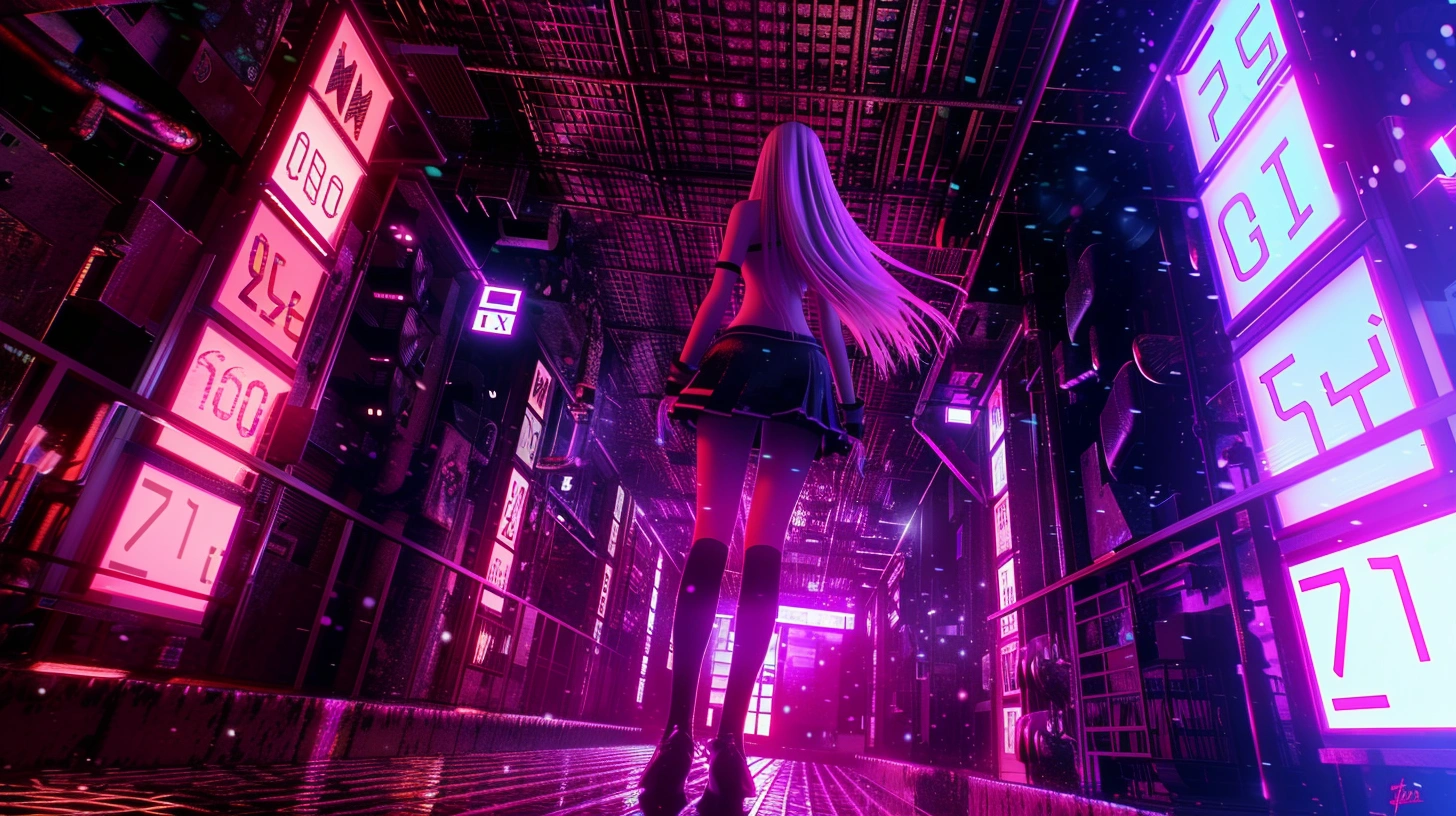
A key feature is its anime-inspired visual style, which makes the project visually appealing and recognizable among Web3 games. Behind this aesthetic lies a functional system for interacting with digital assets, adding depth to the experience.
The project focuses on lowering entry barriers. Players do not need deep knowledge of cryptocurrencies to begin, making the game accessible to a wide audience and supporting broader Web3 adoption. In addition, WaifuSweeper blends entertainment with economic elements, creating a more engaging experience.
It is also important to note that the project aims to bridge traditional gaming with innovative technologies. This balance makes it approachable for newcomers while still engaging for experienced users. As a result, it creates a stable ecosystem where gameplay and technology complement each other.
Furthermore, the project emphasizes long-term user retention by combining simple mechanics with evolving features. This creates a scalable model that can grow alongside its community. The balance between accessibility and innovation strengthens its position in the Web3 gaming space. Ultimately, WaifuSweeper reflects a broader trend of integrating casual games with decentralized technologies.
2. Gameplay and Mechanics
The gameplay is based on the classic “Minesweeper” concept, where players reveal cells and avoid hidden threats. However, in WaifuSweeper, this mechanic is enhanced with reward systems and resource interaction.
Players analyze the field, make decisions, and earn rewards for successful actions. This adds a layer of strategy and makes the experience more dynamic. Each move directly influences the outcome.
The progression system gradually increases complexity, keeping players engaged over time. Additional modes and events may also be introduced, expanding gameplay possibilities. This combination of simplicity and depth makes the game suitable for both beginners and advanced users.
Gameplay may also include elements of randomness and risk, making each session unique. This increases engagement and keeps players interested. The variety of possible scenarios adds unpredictability, ensuring long-term appeal.
In addition, the game design encourages repeated playthroughs, as outcomes can vary significantly with each attempt. This replayability enhances user retention and engagement. Strategic decision-making becomes more important as players progress. As a result, the gameplay remains fresh and challenging over time.
3. Capabilities and Advantages
WaifuSweeper offers a range of features that make it attractive within the Web3 gaming space. The platform focuses on user convenience and engagement. These advantages make the game accessible and enjoyable for different types of players, combining entertainment with economic interaction.
- Easy onboarding — minimal blockchain knowledge required.
- Interactive gameplay — a mix of logic and strategy.
- GameFi model — opportunities to earn rewards.
- Digital assets — integration of NFTs and tokens.
- Dynamic content — updates and new modes.
The project also encourages gradual adoption of Web3 technologies. Players can explore new concepts through gameplay, making the experience more intuitive.
Another important aspect is the social component. Users can interact with each other, increasing engagement and forming a community around the project. As a result, the game becomes not just entertainment, but also a platform for interaction.
Additionally, the platform supports continuous updates, which helps maintain user interest over time. This adaptability allows the project to respond to user feedback and evolving market trends. The combination of innovation and usability strengthens its competitive position. Ultimately, these advantages contribute to long-term sustainability.
4. Economy and Tokens
The economic system of WaifuSweeper is based on tokens and digital assets. Players receive rewards for activity, forming the foundation of the in-game economy. This model encourages participation and ongoing engagement. The economy is driven by player interaction, creating a dynamic environment.
| Type | Purpose | Role |
|---|---|---|
| Game Token | Main currency | Used for purchases |
| Reward Token | Rewards | Earned through gameplay |
| NFT | Unique assets | Collection and usage |
Maintaining a balance between earning and spending is essential for ecosystem stability and long-term sustainability.
Tokens can also be used to enhance characters or unlock additional features, increasing their in-game value. This model motivates users to stay active and engaged, making the economy more complex and resilient.
Moreover, the integration of digital assets adds a layer of ownership that extends beyond gameplay. Players can manage and utilize their assets in different contexts. This increases perceived value and encourages deeper involvement. As a result, the economic system becomes a core part of the overall experience.
5. Future Prospects and Conclusion
WaifuSweeper has strong growth potential due to the expansion of Web3 and the popularity of GameFi. Its simple concept makes it accessible, while blockchain integration adds depth.
In the future, the game may expand its functionality by introducing new modes and mechanics. This will help maintain user interest and attract new players.
Developing the in-game economy and player interaction will also be crucial for long-term sustainability. These elements strengthen engagement and improve the overall ecosystem.
In conclusion, WaifuSweeper demonstrates how classic game concepts can be adapted to Web3. It combines gameplay with digital economics, creating a new form of interaction. Its success will depend on its ability to evolve and meet user expectations.
Looking ahead, continued innovation will play a key role in the project’s development. Expanding partnerships and integrating new technologies can further enhance its capabilities. The growing interest in Web3 gaming creates favorable conditions for its growth. In the long term, WaifuSweeper has the potential to secure a stable position within the GameFi sector.











