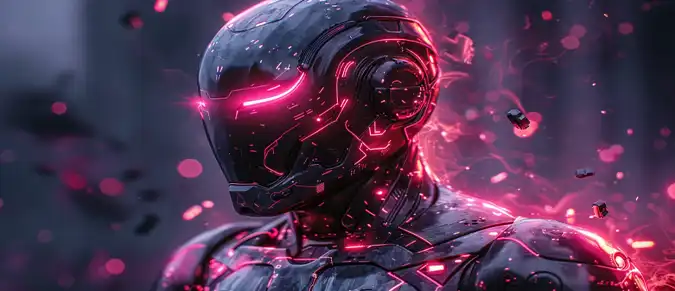

Blockchain games are gradually shaping a new digital industry where players can own in-game assets and earn rewards for their participation. One of the projects developing this concept is Warena — a Web3 game that combines elements of the metaverse, an NFT-based economy, and strategy gameplay. Unlike traditional online games, users control unique NFT characters, participate in missions and tournaments, and can earn tokens through in-game activity. The project’s ecosystem is built on the BNB Chain blockchain and follows a play-to-earn model. This article explores the key features of Warena, its gameplay mechanics, character system, token economy, and the future development of its metaverse.
Contents
- Concept and Features of the Warena Web3 Game
- Gameplay and Game Modes
- NFT Characters and Progression System
- Tokens and Project Economy
- Warena Metaverse and Future Development
1. Concept and Features of the Warena Web3 Game
Warena is a GameFi project that combines traditional gaming mechanics with blockchain technology. The core idea of the platform is to create a virtual world where players can interact with each other, own digital assets, and participate in a decentralized metaverse economy.
Unlike traditional online games where all items belong to the developers, Warena uses NFT technology. Characters, equipment, and other in-game objects are recorded on the blockchain and belong to the player. This approach turns digital items into real assets that users can freely manage, trade, or transfer.
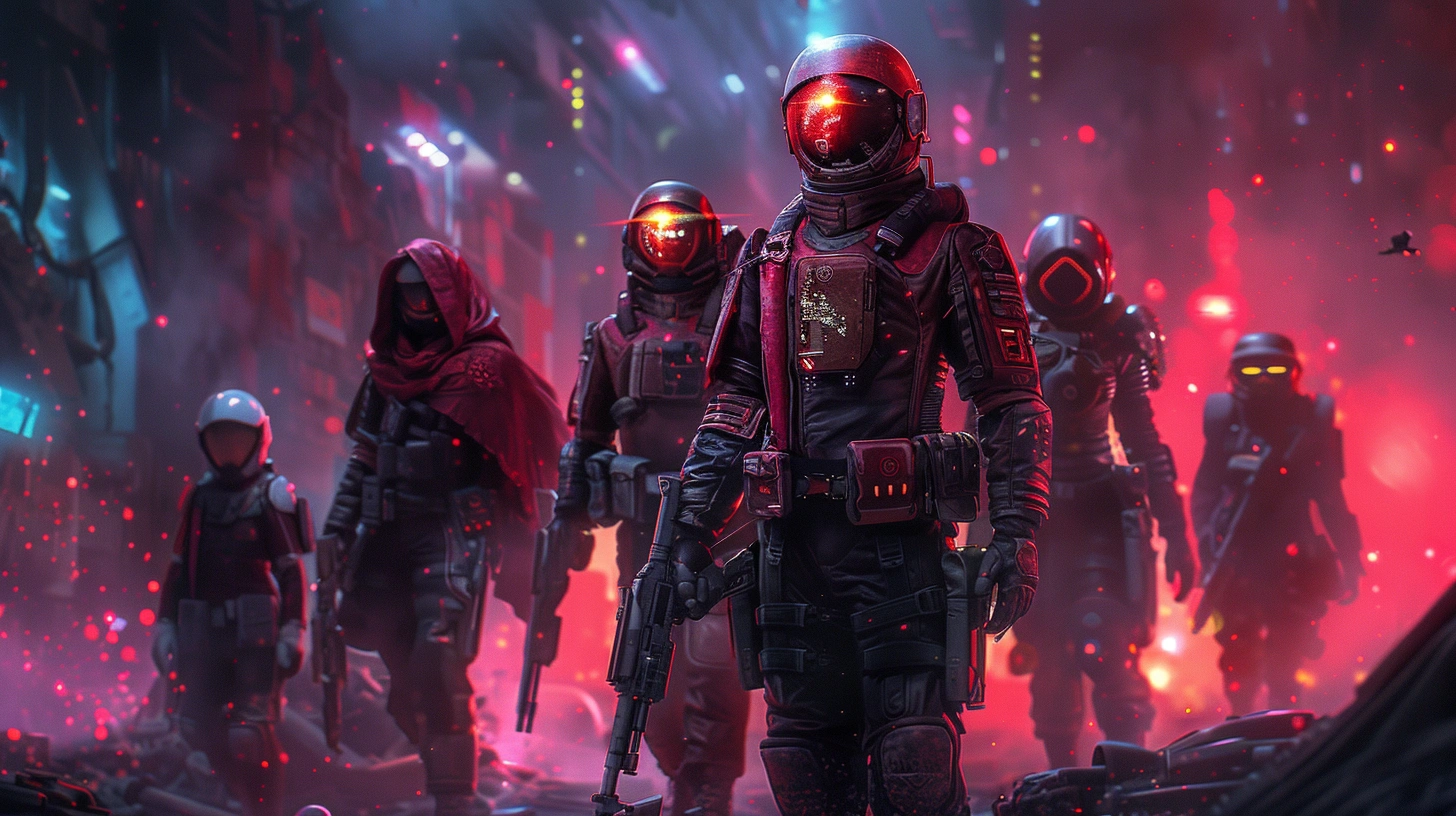
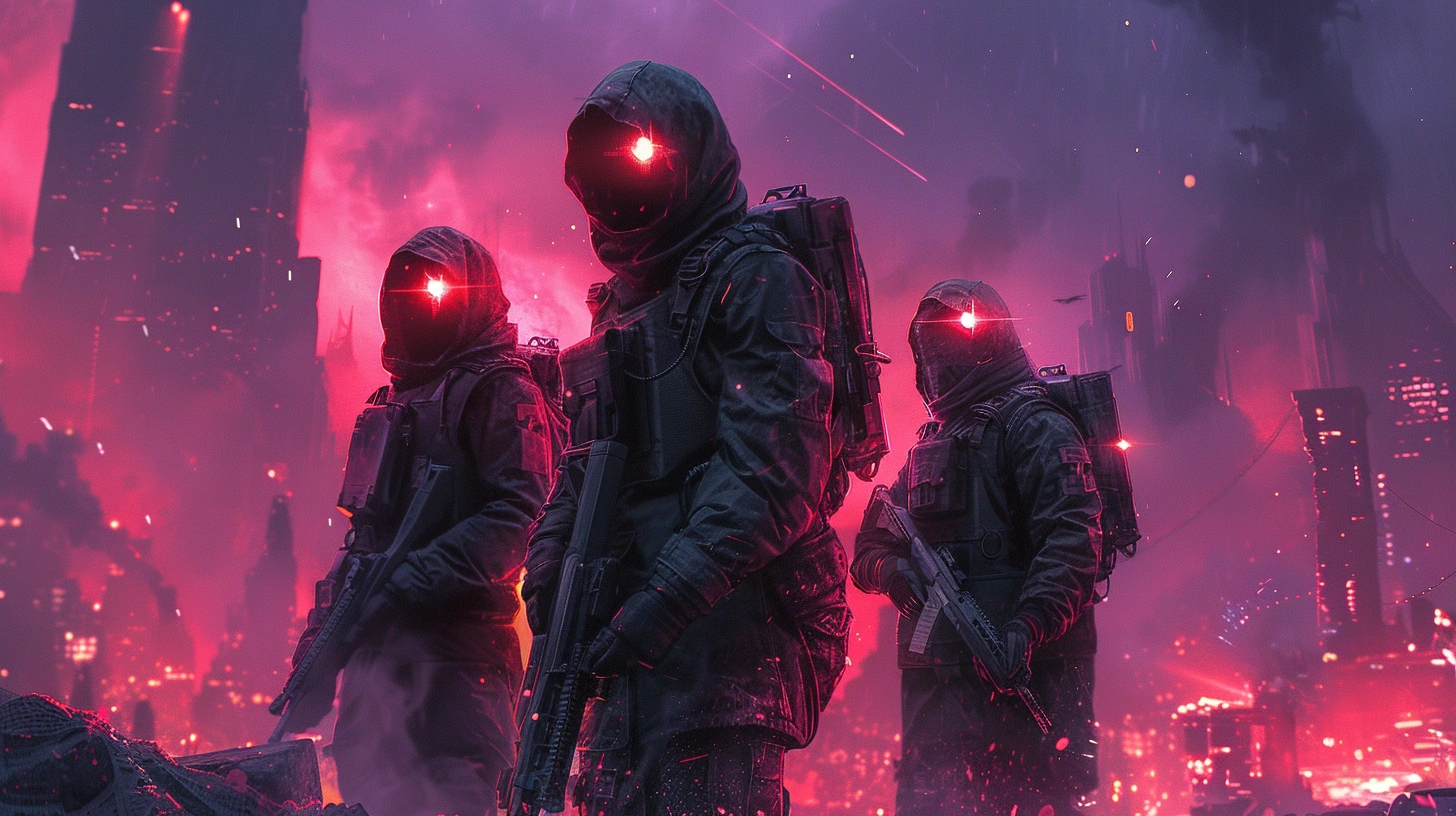
The game world represents a post-apocalyptic universe. According to the storyline, humanity survived a global catastrophe that destroyed the familiar world. New factions and mutated creatures emerged among the ruins, while survivors struggle to control resources and territories.
One of Warena’s unique ideas is the attempt to connect different metaverses. Developers envision a system where characters and digital assets can interact with other gaming ecosystems. This concept lays the foundation for a cross-metaverse platform where multiple projects can coexist within a shared virtual environment.
2. Gameplay and Game Modes
The gameplay of Warena focuses on strategic battles and missions. In the early stages of development, the main mode is a tower defense strategy where players protect their bases from waves of enemies. Users control heroes, upgrade their abilities, and develop their own defensive strategies.
As the project evolves, developers plan to expand the gameplay and introduce additional mechanics. In the long term, Warena aims to become a full metaverse platform with multiple game modes and deeper interaction between players.
Main types of activities currently available in the game:
- PvE missions — completing story quests and fighting AI enemies.
- PvP battles — player-versus-player matches where character stats and strategy matter.
- Tournaments — ranked competitions with higher rewards.
- Cooperative events — missions that require teamwork between players.
- Special in-game events — temporary activities that allow players to obtain rare items.
Rewards for participating in these modes include in-game resources, NFT items, and tokens. These assets can be used to upgrade characters, enhance equipment, or trade on the in-game marketplace. As a result, gameplay is closely connected with the project’s economy: the more actively players participate in missions and competitions, the more opportunities they gain to develop their characters and acquire valuable digital assets.
3. NFT Characters and Progression System
NFT characters are the central element of Warena. Each hero is a unique digital asset recorded on the blockchain, meaning players truly own their characters and can sell or transfer them to other users.
Character creation begins with selecting appearance, basic attributes, and specialization. Players can customize equipment and visual style, while some items are available only in rare NFT collections, making certain heroes especially valuable.
Character development follows a progression system where players level up, improve abilities, unlock new skills, and upgrade equipment. The stronger the character becomes, the more opportunities they gain in missions and PvP battles.
NFT rarity also affects performance. Rare characters have better attributes and can generate higher rewards in gameplay. In addition, NFT assets can be freely traded on the game’s marketplace, where prices are determined by rarity and market demand.
4. Tokens and Project Economy
The economic model of Warena is based on a dual-token system. This structure helps maintain balance between gameplay rewards and project governance. One token is mainly used within the game, while the second supports ecosystem governance.
| Token | Type | Purpose |
|---|---|---|
| WARE | Utility game token | Used for upgrading characters, paying for in-game actions, and receiving rewards from missions. |
| RENA | Governance token | Used for ecosystem governance, staking, and voting on project updates. |
Players earn WARE by participating in missions, tournaments, and other in-game activities. The token can be spent on character upgrades, purchasing items, and joining special events. Part of the supply may also be burned or redistributed to help stabilize the in-game economy.
RENA functions as the governance token. Holders can participate in voting and influence decisions regarding the future development of the project. This approach supports a decentralized governance model where the community contributes to shaping the ecosystem.
5. Warena Metaverse and Future Development
One of Warena’s long-term goals is the creation of a large metaverse where players can do more than simply participate in battles. Developers plan to expand the virtual world by adding new areas, social features, and tools for user-generated content. The ecosystem also includes a system of virtual land that functions as digital real estate.
Owners of these land plots will be able to build structures, host events, or create trading spaces. This opens new opportunities for the development of the in-game economy and digital asset trading. The Warena metaverse will also feature social elements, allowing players to form communities and participate in large-scale events within a shared virtual environment.
The project’s roadmap includes new character classes, graphical improvements, expanded game modes, and integration with other metaverse platforms. In the future, these developments could transform Warena into a complete GameFi ecosystem with its own digital economy.











