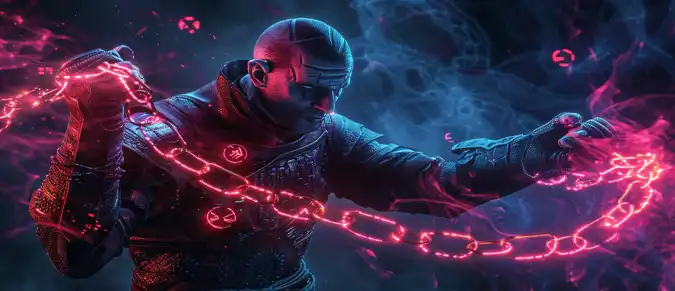

Dungeon Fighter Online Web3 is not just an attempt to add tokens to a well-known game, but a concept of bringing the strengths of Dungeon & Fighter into a model of digital ownership. The base DFO is known as a 2D beat’em up RPG with fast-paced combat, classes, raids, gear progression, and a long-term economy. A Web3 layer around such a franchise is interesting because it can turn items, currencies, achievements, and community contributions into more transparent digital assets. However, there are various tokens and third-party initiatives using the DNF name, so it is important to distinguish the official Nexon/Neople franchise from unofficial coins and speculative projects.
Contents
- What is Dungeon Fighter Online Web3
- Gameplay Foundation and IP Value
- Web3 Mechanics: Ownership, NFTs, and Economy
- Tokens and Currency Ecosystem
- Risks, Outlook, and Player Takeaways
1. What is Dungeon Fighter Online Web3
Dungeon Fighter Online Web3 refers to an attempt to combine the classic Dungeon & Fighter experience with blockchain, adding a layer of digital ownership to dungeons, progression, and item systems. The original DFO remains a centralized MMORPG developed by Neople (Nexon), with a large audience and a well-established in-game economy.
The interest in Web3 comes from the nature of the genre: players constantly earn gear, resources, and upgrades that typically stay locked within the game. Blockchain can provide verifiable ownership and enable player-to-player exchange, extending the value of these assets beyond the game client.
The goal is not to replace gameplay with tokens, but to enhance it. A sustainable model keeps the game engaging first, while Web3 adds value by giving players more control over certain digital assets. This approach can also improve economic transparency and user trust. In the long run, it may open new ways for interaction between players and developers.
2. Gameplay Foundation and IP Value
Dungeon Fighter Online stands out not for graphics, but for its recognizable combat system. It is a side-scrolling action RPG where players clear dungeons, develop classes, collect gear, and engage in PvE content. The game emphasizes speed, skill combinations, and impactful combat, so any Web3 layer must not disrupt this dynamic.
The Dungeon & Fighter franchise also benefits from a strong legacy. Since its launch in 2005, it has attracted hundreds of millions of players and generated significant revenue. For Web3 gaming, this is crucial, as many blockchain games lack strong intellectual property, while DNF already has a proven world, audience, and economic structure.
When applying Web3, the key question is not “which token to buy,” but “what the player actually gains.” Ideally, players receive not only in-game items, but also verifiable ownership, freer trading, and access to new forms of content and participation. At the same time, the core experience—dungeons, bosses, loot, builds, and events—must remain gameplay-driven.
3. Web3 Mechanics: Ownership, NFTs, and Economy
A Web3 model for Dungeon Fighter Online can be built around several elements. First is NFT-based items. These may include not only rare weapons and armor, but also cosmetics, avatars, pets, event passes, and collectible rewards. Given the importance of visual customization in DFO, this approach fits naturally.
The second element is a tokenized economy. Unlike traditional MMOs where all currency is server-controlled, Web3 systems can introduce more transparent rules for issuance, burning, and rewards. However, this also brings risks: if profit becomes the main goal, gameplay can turn into repetitive farming for income rather than enjoyment.
- verifiable ownership of in-game assets;
- player-driven marketplaces;
- limited issuance of rare NFT rewards;
- burning or recycling items to control inflation;
- rewards for participation and community contributions.
The third aspect is community involvement. Players may influence certain ecosystem elements such as markets, events, or reward systems. This trend is already visible in other Nexon Web3 initiatives, though for DNF it would likely remain a controlled extension rather than full decentralization.
4. Tokens and Currency Ecosystem
The main confusion around Dungeon Fighter Online Web3 is related to tokens. You can find assets online labeled “Dungeon and Fighter” or using the DNF ticker, but this does not make them official currencies of Neople or Nexon. Some of these tokens are traded on blockchains like Solana, often with low liquidity, unclear status, and higher risks of concentration among large holders. Therefore, such coins should be approached with caution.
It is also important to highlight NEXPACE and NXPC. These are not part of DNF, but belong to Nexon’s Web3 direction built around MapleStory Universe. NXPC serves as the native token of the MapleStory Universe Layer 1 network, used for transaction fees, value exchange, and integration with the in-game currency NESO. Applying this model to Dungeon & Fighter does not automatically mean the existence of DNF Web3, but it demonstrates how Nexon approaches blockchain economies for its gaming IPs.
| Name | Type | Relation to DNF/Web3 | Main Purpose | Risk Notes |
|---|---|---|---|---|
| DNF / Dungeon and Fighter | Third-party crypto token | Uses a similar name | Speculative market trading | Should not be considered official without publisher confirmation |
| NXPC | Nexon Web3 token | Linked to NEXPACE, not directly to DFO | Gas fees, value exchange, NFT mechanics, participant rewards | Depends on MapleStory Universe growth and GameFi trends |
| NESO | In-game currency (MapleStory Universe) | Example of separating gameplay and market token | Used within apps and gameplay scenarios | Not a universal currency for DFO |
| Adventure Tokens | In-game resource (DFO) | Part of traditional DFO economy | Earned and spent in gameplay activities | Not a blockchain token |
| CERA / cash shop currency | Premium in-game currency | Used in traditional monetization | Purchasing items and cosmetics | Fully controlled by the publisher |
For players, the practical takeaway is simple: before buying any asset labeled DNF, it is essential to verify its origin, contract, liquidity, audits, distribution, and official statements. In Web3, a similar name does not equal legitimacy. Real value exists only where there is a functioning game, transparent rules, and a clear connection between the token and its utility.
5. Risks, Outlook, and Player Takeaways
Dungeon Fighter Online Web3 shows promise thanks to its strong IP and established gameplay loop. However, open trading can create inflation, increase inequality between players, and shift focus away from skill-based progression.
Another major risk is unofficial tokens using the DNF name. These can mislead users into thinking they are part of the official ecosystem. Therefore, every asset should be evaluated individually.
The most realistic scenario is Web3 as an extension, not a replacement. NFTs can support cosmetics and rare items, while markets become more transparent and players are rewarded for activity. Meanwhile, core gameplay and balance remain under developer control.
Ultimately, Dungeon Fighter Online Web3 is a direction rather than a guaranteed opportunity. Its success depends on strong gameplay, a balanced economy, and careful integration of blockchain features without harming the player experience.











