

Doge Quest is a Web3 game that combines elements of meme culture, RPG gameplay, and blockchain-based economics. The project is designed to create an accessible gaming experience where users can not only complete quests but also interact with digital assets. By blending entertainment with economic mechanics, Doge Quest becomes part of the GameFi segment. This makes it appealing both to gamers and to users exploring Web3 opportunities.
Contents
- Concept and Features of Doge Quest
- Gameplay and Mechanics
- Economy and Tokens of Doge Quest
- NFTs and Digital Assets
- Future Prospects and Conclusion
1. Concept and Features of Doge Quest
Doge Quest is a gaming platform that combines entertainment with a digital economy. Its core idea is to create an environment where users can participate in gameplay while interacting with blockchain-based assets. This approach reflects the evolution of Web3, where the boundaries between gaming and economics are gradually fading.
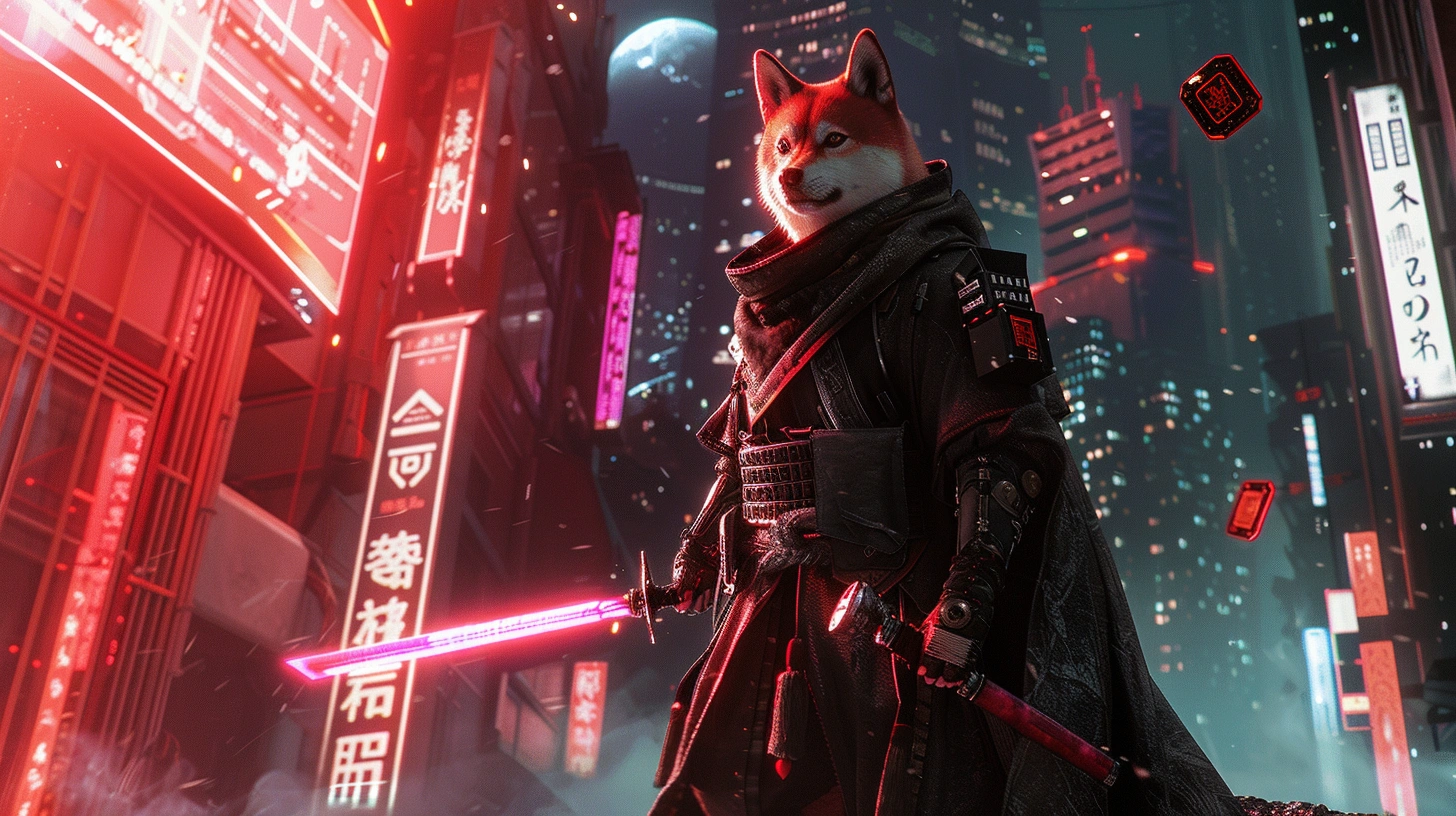
The project uses the recognizable Doge image, making it visually appealing and accessible to a broad audience. Behind this simple concept lies a more complex structure that includes gameplay mechanics and a reward system.
Special attention is given to ease of entry. Users do not need deep knowledge of cryptocurrencies to get started. This lowers the barrier and makes the platform more accessible to a wider audience. Thus, Doge Quest combines simplicity with functionality, allowing it to compete in the Web3 gaming segment by offering a clear yet engaging experience.
2. Gameplay and Mechanics
Doge Quest gameplay is built on a combination of exploration, quest completion, and character development. Users can interact with the game world, earn resources, and improve their attributes. This approach makes the experience dynamic and diverse.
- World Exploration — moving through locations and gathering resources.
- Quests — completing tasks to earn rewards.
- Progression — improving character skills and attributes.
- Combat — interacting with enemies and gaining experience.
- Economic Activities — trading and using resources.
This system makes gameplay flexible. Players can focus on combat mechanics or on economic strategies, expanding interaction possibilities.
An important element is progression. Gradual character development motivates long-term engagement and improves retention. Additionally, regular content updates help maintain interest. New quests and activities make the game more varied and dynamic.
3. Economy and Tokens of Doge Quest
The economic system of Doge Quest is based on digital tokens and in-game resources. Players earn rewards for their activity, forming the foundation of the GameFi model. This approach encourages participation and development within the platform.
A key aspect is the balance between earning and spending resources, which is essential for maintaining economic stability. The impact of user activity on asset value is also taken into account.
| Token Type | Purpose | Role |
|---|---|---|
| Game Token | Primary currency | Purchases and progression |
| Reward Token | Rewards | Granted for activity |
| NFT | Unique assets | Ownership and trading |
The economy is shaped by player interactions. Users can exchange resources and participate in trading, creating a dynamic system. At the same time, it is important to avoid excessive dependence on speculation. Developers aim to maintain a balance between gameplay and earnings, ensuring a more sustainable model.
4. NFTs and Digital Assets
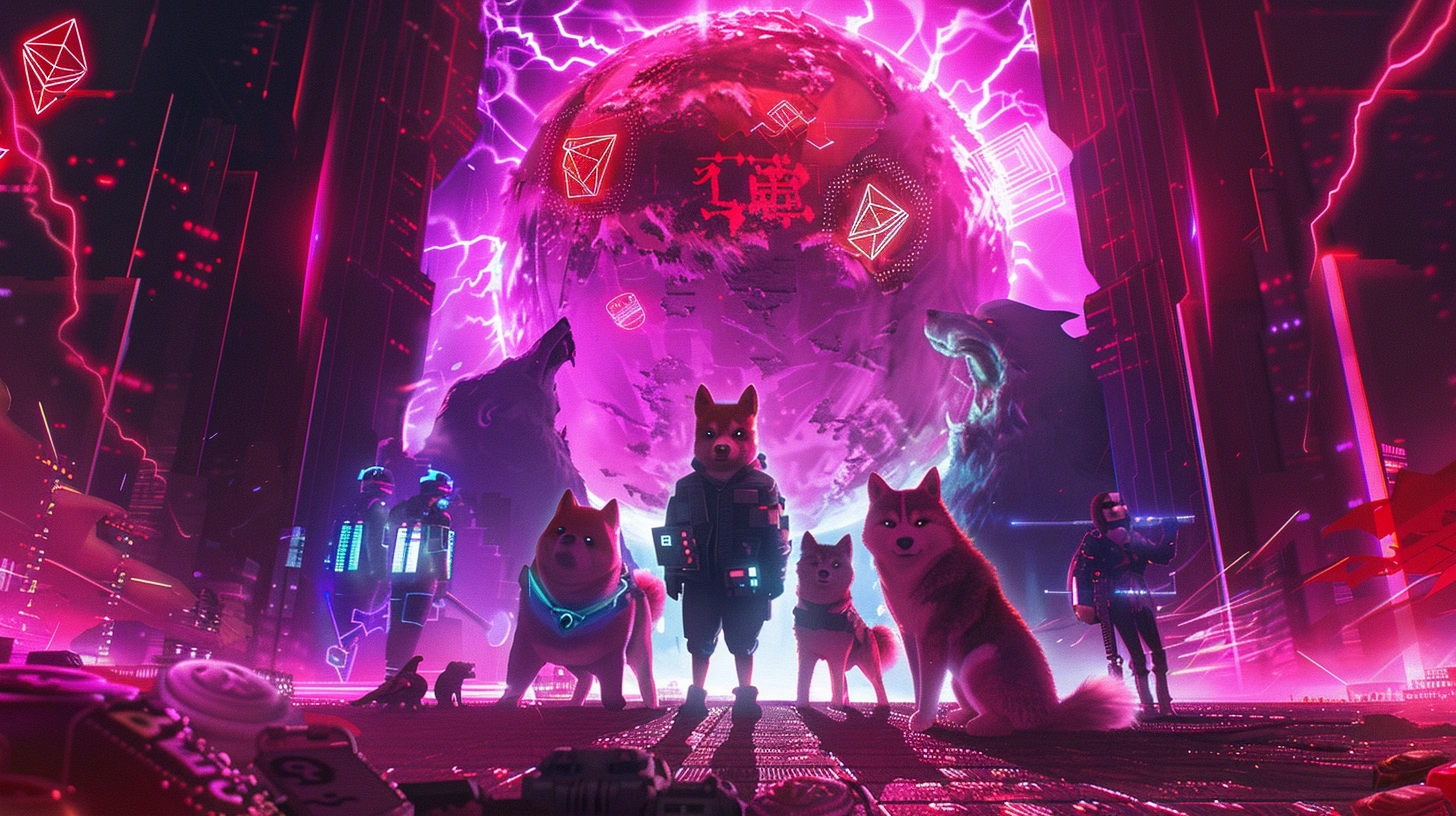
NFTs are a key element of Doge Quest. They ensure the uniqueness of items and form the foundation of digital ownership. Users can own assets and use them within the gameplay. In-game items may have different attributes, which affect their value. This creates a market where players interact with each other, strengthening the economic component.
Transparency is achieved through blockchain technology. All transactions are recorded, increasing trust and making the system more reliable. Thus, NFTs connect gameplay with economics, adding an extra layer of interaction and making the game more immersive.
Additionally, NFTs allow players to transfer their achievements beyond the game by using assets on external platforms. This opens opportunities for integration with other projects and expands the Doge Quest ecosystem. Participants can not only play but also invest, building long-term value in their digital collections. As a result, a sustainable model emerges where entertainment and financial mechanisms reinforce each other.
5. Future Prospects and Conclusion
Doge Quest is developing in a competitive Web3 gaming environment. However, its accessibility and recognizable concept provide certain advantages, helping attract new users. The future of the project depends on gameplay development and user activity. The more engaging the game environment, the higher the growth potential, which directly impacts the sustainability of the ecosystem.
Adaptation to market changes is also crucial. The Web3 segment evolves rapidly, and projects must meet new demands to remain relevant. This determines their long-term success. Doge Quest serves as an example of a Web3 game that combines meme culture with blockchain technology, offering users not only gameplay but also participation in a digital economy.
In the future, the project may expand its functionality by introducing new game modes and user interaction mechanics. This will help retain audience interest and drive growth. Further development of partnerships and integrations with other Web3 platforms can also strengthen Doge Quest’s market position. Ultimately, the project’s success will depend on its ability to combine innovation, usability, and real value for players.











