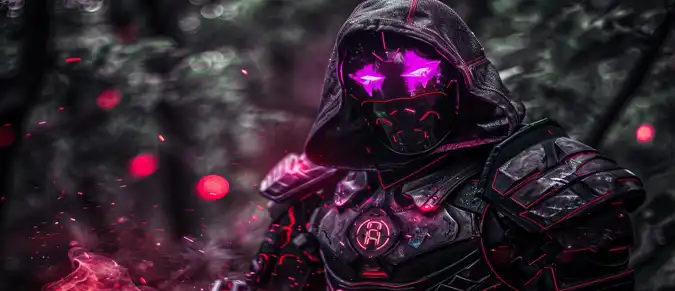

Elfin Kingdom is a Web3 RPG game that combines a fantasy world, NFT assets, and elements of a decentralized economy. The project allows users not only to participate in battles and complete quests but also to own digital characters and resources. Unlike early play-to-earn games, Elfin Kingdom focuses on gameplay depth and progression rather than just earning. This approach creates a more balanced ecosystem where gameplay and economy complement each other.
Contents
- Concept and Key Features of Elfin Kingdom
- Gameplay and Core Mechanics
- NFTs and In-Game Assets
- Tokens and Elfin Kingdom Economy
- Advantages and Limitations
1. Concept and Key Features of Elfin Kingdom
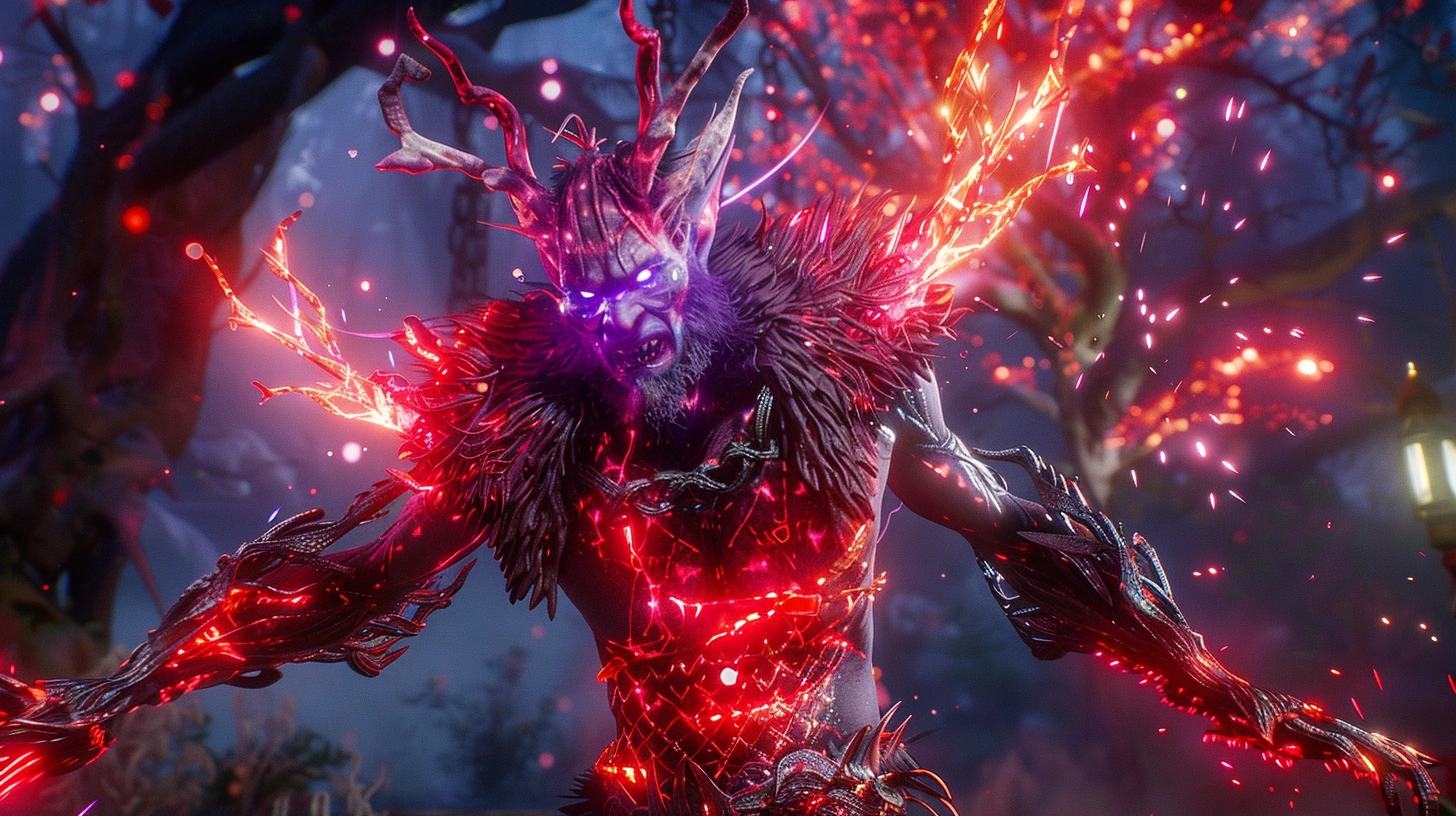
Elfin Kingdom is a fantasy blockchain game where users become part of a digital ecosystem. The core idea is to combine traditional RPG mechanics with Web3 principles, giving players full control over their assets. This approach moves beyond conventional gaming models.
The project is designed to create a sustainable environment where value is generated through user activity. Players explore the world, interact with others, and participate in various events. This increases engagement and makes the experience more immersive.
Elfin Kingdom also integrates GameFi and SocialFi elements, expanding interaction possibilities. Users become part of a community where activity influences ecosystem development. As a result, the game and its economy are closely interconnected, forming a foundation for long-term growth.
2. Gameplay and Core Mechanics
The gameplay of Elfin Kingdom is built around exploration, battles, and character progression. Players control heroes, complete quests, and earn resources used for development. This creates a familiar RPG structure enhanced with Web3 features.
The system offers multiple interaction options, allowing players to adapt the experience to different play styles. This makes the project accessible to a broad audience. Additionally, the approach lowers the entry barrier and helps users gradually learn the mechanics, choosing their own pace of engagement.
- PvE — completing missions and fighting AI opponents.
- PvP — battles against other players.
- Farming — earning resources and rewards.
- Character progression — improving stats and abilities.
This variety of mechanics allows players to choose their preferred style of interaction. It reduces repetitiveness and keeps the experience engaging. Combining different modes creates a flexible gameplay loop where users can switch between activities.
Developers can introduce new modes and events to maintain dynamics. Regular updates help keep the game relevant and aligned with player expectations, improving long-term retention.
3. NFTs and In-Game Assets
The NFT system is the foundation of Elfin Kingdom and directly impacts gameplay. Characters, items, and resources are represented as digital assets owned by players, enhancing the sense of control and engagement. Each NFT has unique attributes that determine its effectiveness, making asset selection and development an important strategic element.
Players can upgrade characters and optimize their abilities. The in-game economy is built on interactions between these assets, while trading introduces an additional layer of user engagement. This makes the system more dynamic and interconnected.
As a result, NFTs serve a functional role rather than a purely cosmetic one. They directly influence gameplay and connect mechanics with the economic layer of the project.
Additionally, NFTs can be used across various gameplay scenarios, including battles, quests, and events. This increases their practical value and versatility. Over time, the NFT system may evolve further, enabling deeper customization and more complex gameplay interactions.
4. Tokens and Elfin Kingdom Economy
The Elfin Kingdom economy is based on a main token and additional in-game resources. This structure separates functions within the system and reduces pressure on the core asset, supporting long-term stability. Such an approach is common in modern GameFi projects, where different asset types serve specific roles.
This model enables flexible economic management and faster adaptation to changes. It also simplifies the introduction of new mechanics without altering the core structure, reducing systemic risks.
| Asset | Role | Description |
|---|---|---|
| ELFIN | Main token | Used for rewards, transactions, and participation in the ecosystem. |
| In-game resources | Supporting assets | Used for character upgrades and progression. |
This structure makes the economy more flexible and manageable. Dividing functions helps prevent overload on a single asset and supports system scalability.
Maintaining a balance between resource generation and spending is essential for sustainability. Emission control and sink mechanisms play a key role in ensuring long-term stability.
5. Advantages and Limitations
Elfin Kingdom stands out by combining RPG gameplay with Web3 technologies, creating a deeper experience compared to early GameFi projects. Players gain not only earning opportunities but also meaningful gameplay based on character progression and asset interaction.
The variety of mechanics and well-designed progression system increase engagement, while NFT integration strengthens the economic layer and expands gameplay possibilities.
However, the project also faces limitations. It depends heavily on user activity and economic balance, while token volatility can affect system stability.
In the long term, success will depend on execution quality, regular updates, and the ability to retain user interest. If developed properly, Elfin Kingdom has the potential to establish a strong position in the Web3 gaming space.











