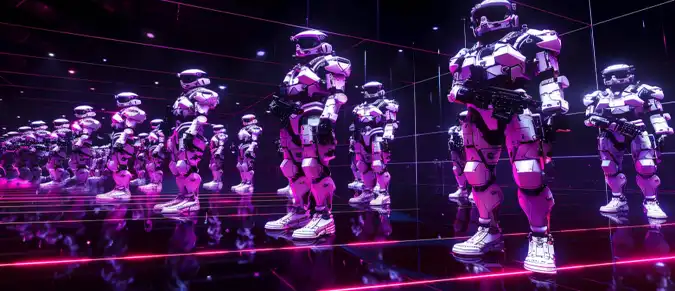

Defina Finance is a Web3 game that combines NFT collectibles, strategic gameplay, and decentralized finance elements. The project allows users not only to participate in gameplay but also to own digital assets with real value. Unlike early play-to-earn models, Defina focuses on balancing entertainment and economics, creating a more sustainable interaction model. This approach brings together gaming experience and Web3 capabilities, forming a полноценный digital ecosystem.
Contents
- Concept and Key Features of Defina Finance
- Gameplay and Game Modes
- NFTs and In-Game Assets
- Tokens and Defina Finance Economy
- Advantages and Limitations

1. Concept and Key Features of Defina Finance
Defina Finance is a blockchain-based game where users become active participants in a digital economy. The core idea is to combine traditional gaming mechanics with Web3 principles, where every element — from characters to resources — is owned by the player. This approach moves beyond conventional models where all assets are controlled by developers.
The project develops the concept of a player-owned economy, where value is generated through user activity. Instead of simply completing tasks, players build their own development strategies by investing time and resources. This increases engagement and makes the experience more meaningful.
Defina also integrates DeFi elements such as staking and reward distribution. This expands the platform’s functionality and attracts not only gamers but also users interested in digital finance. As a result, the project creates a hybrid model that merges gaming with financial systems.
At the same time, such a concept requires continuous improvement from developers. The ecosystem must adapt to market changes and user behavior. Without regular updates, even a strong model can lose relevance. Therefore, long-term development depends on consistent support and innovation.
2. Gameplay and Game Modes
Defina Finance gameplay is built around turn-based battles and strategic character management. Each hero has unique attributes that directly affect battle outcomes. Players need to carefully plan team composition and tactics, which adds depth to the overall experience.
The system includes multiple modes, allowing users to choose how they interact with the game. This makes the project accessible to both beginners and experienced players who prefer competitive gameplay.
- PvE — battles against AI for resources and progression.
- PvP — competitive matches against other players with rankings.
- Events — limited-time activities with additional rewards.
- Character progression — upgrading stats and abilities.
This variety helps maintain long-term engagement by allowing players to switch between activities. It reduces repetition and creates a more sustainable gameplay loop where both progress and experience matter.
Additionally, developers regularly introduce new mechanics and events to keep the ecosystem dynamic. Proper difficulty balancing also plays a key role in player retention. A well-designed system can keep users engaged even without constantly increasing rewards.
3. NFTs and In-Game Assets
Digital assets are a core component of the Defina Finance ecosystem. NFT characters come with unique attributes and rarity levels, directly influencing their performance in battles. This makes character selection and development a strategic process.
Players start with basic characters and gradually improve them by completing tasks and collecting resources. This creates a strong sense of progression and encourages long-term involvement.
The value of assets is determined not only by rarity but also by utility. Additional items and resources enhance gameplay by improving stats and unlocking new features. Together, these elements form an internal economy where everything is interconnected.
The NFT system also enables customization and personalization, increasing emotional attachment to assets. Furthermore, marketplace interactions create an additional economic layer where players trade with each other, making the ecosystem more dynamic.
4. Tokens and Defina Finance Economy
The Defina Finance economy is based on a combination of a primary token and supporting resources. This structure separates functions within the system and reduces pressure on the core asset. It is essential for maintaining long-term sustainability.
Such a model allows flexible economic management by distributing roles across different asset types. It also simplifies the integration of new mechanics without disrupting the core system. Maintaining a balance between earning and spending remains a key factor.
| Asset | Role | Description |
|---|---|---|
| FINA | Main token | Used for rewards, staking, governance, and key ecosystem operations. |
| Gold | In-game resource | Used for character upgrades and gameplay activities. |
If properly balanced, the system supports stability and user activity. Otherwise, inflation and asset devaluation may occur, reducing overall interest in the project.
Developers can also implement token-burning mechanisms and limited emission models to control supply. Transparency of the economic system plays an important role as well. Users tend to trust projects with clear and logical token distribution structures.
5. Advantages and Limitations
Defina Finance stands out by combining strategic gameplay, NFTs, and DeFi elements, making the experience deeper than early Web3 games. Players gain not only earning opportunities but also meaningful interaction based on decision-making and asset development.
A well-designed progression system and focus on ownership increase engagement, while diverse modes allow users to adapt gameplay to their preferences. This flexibility makes the project more appealing to a broader audience.
However, the project also faces limitations. Like many GameFi platforms, it depends on economic balance and active user participation. Token volatility and entry barriers for new users can reduce accessibility.
Another challenge is the high level of competition in the blockchain gaming space, where users quickly switch between projects. Long-term success will depend on the team’s ability to maintain engagement, continuously develop the product, and sustain a stable in-game economy.











