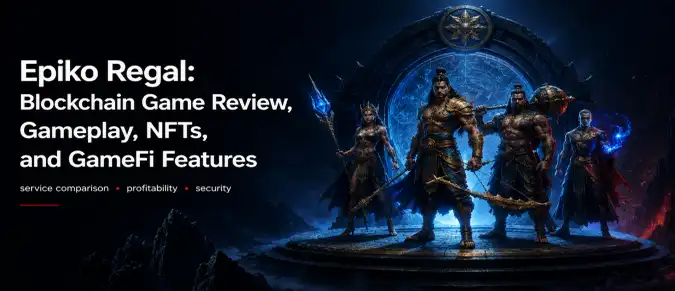

Epiko Regal is a blockchain-based collectible RPG that combines fantasy elements, Indian mythology, and Web3 technologies. The project develops the concept of digital ownership by allowing players to own selected in-game assets through NFTs. The core gameplay focuses on collecting heroes, upgrading characters, participating in PvE and PvP battles, and interacting with the in-game economy. Epiko Regal reflects a modern approach to GameFi, where blockchain complements classic gameplay rather than becoming its main mechanic.
Contents
- What Is Epiko Regal? Blockchain Game Overview and Key Features
- Gameplay, Heroes, and Character Progression
- NFTs, Digital Assets, and the Web3 Ecosystem
- Epiko Regal Compared to Other GameFi Projects
- Epiko Regal Prospects and Ecosystem Development
1. What Is Epiko Regal? Blockchain Game Overview and Key Features
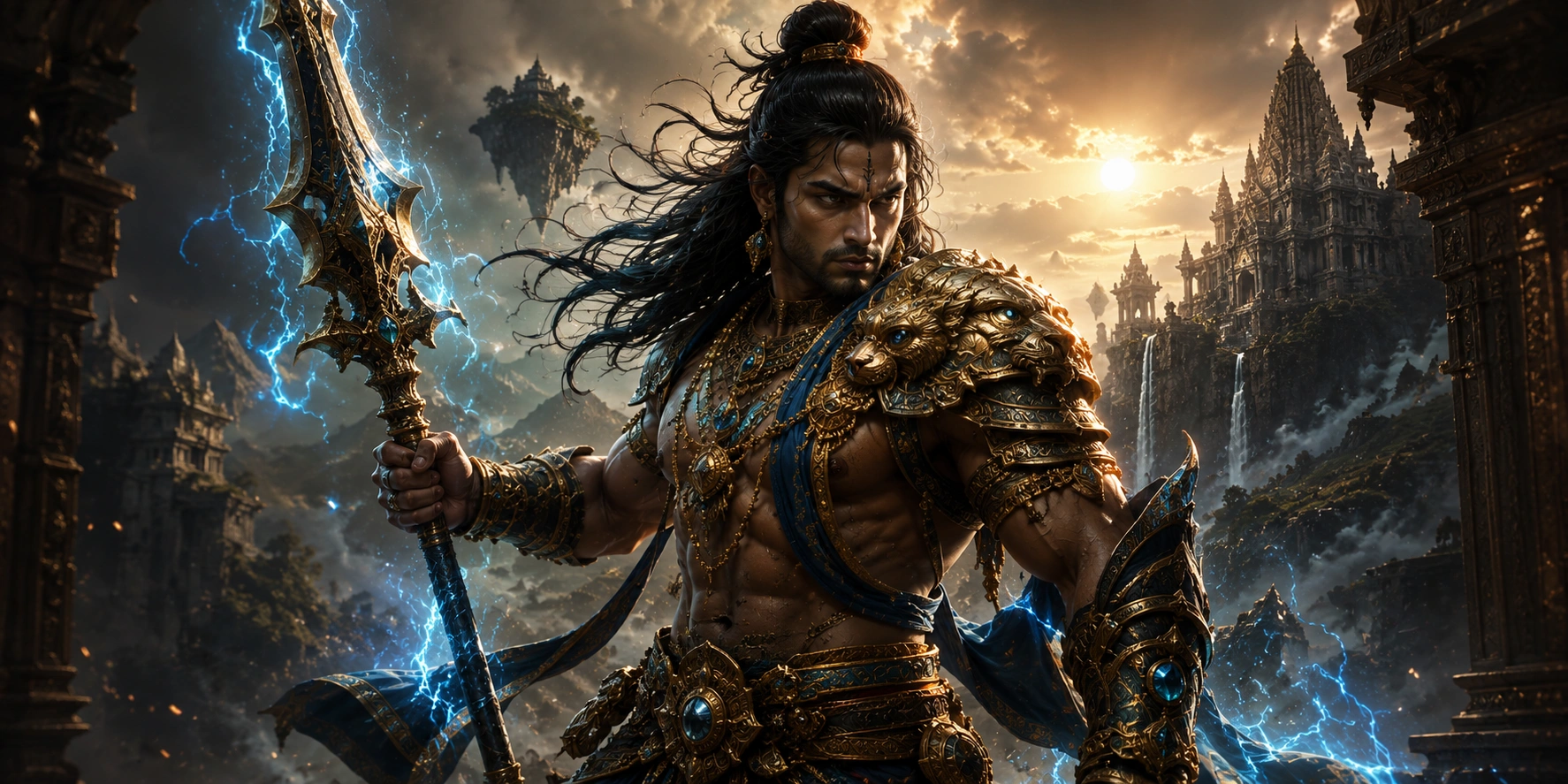
Epiko Regal is a Web3 game inspired by Indian mythology and epic legends. The project is developed by Epiko and focuses on building a gaming metaverse where characters, artifacts, and collectible items become part of a digital economy.
Unlike many early GameFi projects, the developers place stronger emphasis on gameplay quality and visual design. Blockchain is used to verify ownership of selected in-game objects, while familiar RPG mechanics remain the foundation of the player experience.
Special attention is given to visual style, hero variety, and the development of the project’s own universe. Many characters are inspired by well-known figures from Indian epics, giving the game a distinctive theme compared to traditional fantasy RPGs.
The project combines solo activities, hero collection development, and multiplayer modes. Through Web3 integration, players receive additional digital ownership opportunities without needing to constantly interact with blockchain infrastructure.
2. Gameplay, Heroes, and Character Progression
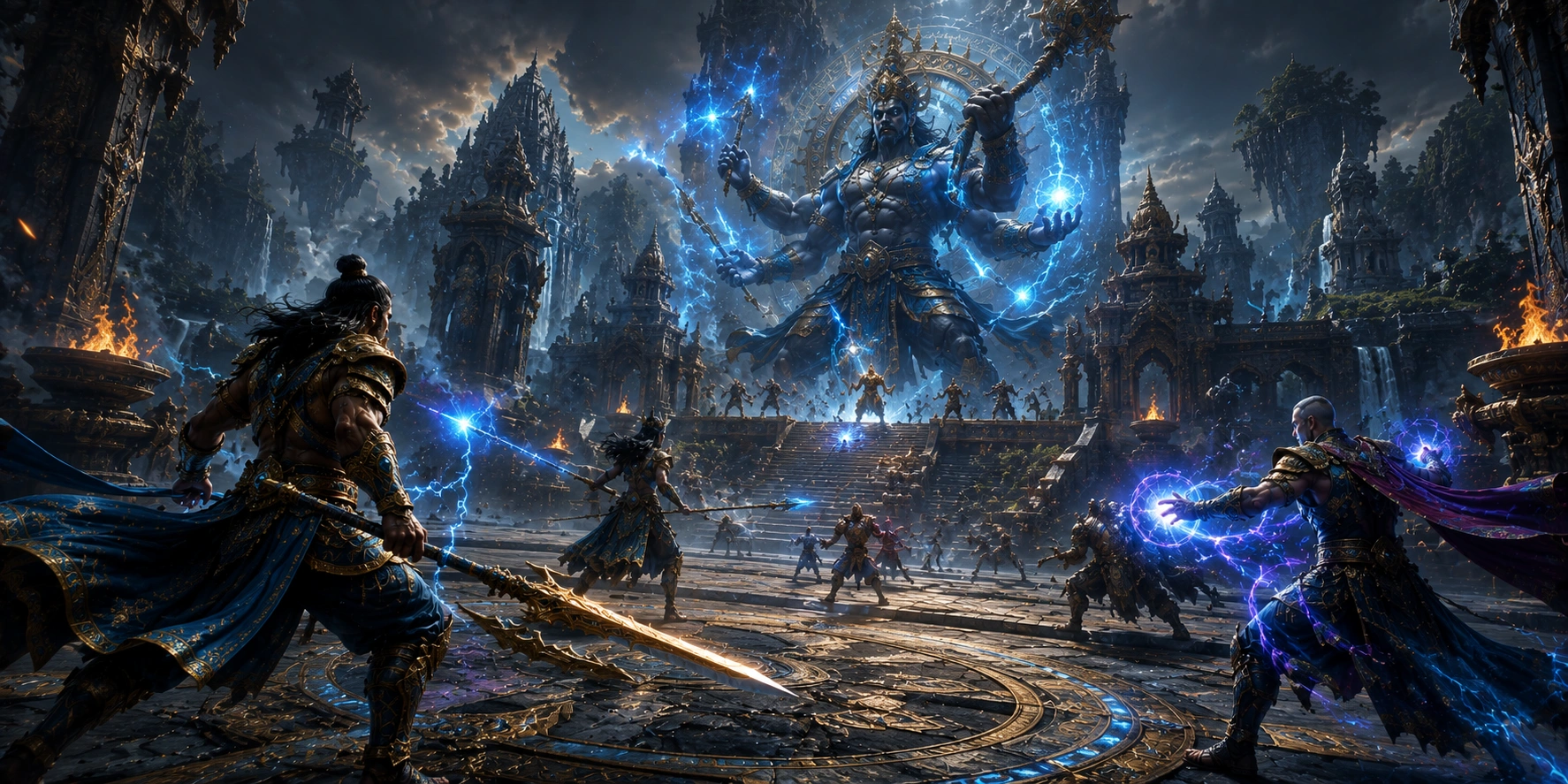
Epiko Regal gameplay is built around collecting heroes, improving their attributes, and participating in different combat modes. Each character has unique skills, rarity levels, and abilities that affect team performance.
As players progress, they unlock new heroes, strengthen existing characters, collect equipment, and participate in PvE challenges and PvP battles. Success depends not only on the power of individual heroes but also on how effectively they are combined within a team.
Core gameplay mechanics include:
- collecting heroes;
- leveling up characters and improving attributes;
- upgrading equipment;
- building a balanced team;
- participating in PvE missions;
- fighting other players in PvP battles;
- earning rare in-game items and rewards.
This progression system allows players to use different account development strategies. Some focus on rare heroes, while others prioritize equipment upgrades or search for the most effective character combinations.
3. NFTs, Digital Assets, and the Web3 Ecosystem
One of Epiko Regal’s key features is the use of NFTs to represent selected in-game objects. Some characters, collectibles, and in-game assets can exist as unique digital tokens owned by players.
NFTs make it possible to store game assets outside the game itself and transfer them to other users through compatible marketplaces when needed. This approach makes digital ownership less dependent on a single game account.
In addition to NFTs, the project uses Web3 economy elements related to community development and user interaction with digital assets. At the same time, blockchain remains an additional functionality layer that does not complicate the core gameplay.
This architecture lowers the entry barrier for new users. Even players who have never worked with cryptocurrencies can access most game functions while gradually discovering Web3 features.
4. Epiko Regal Compared to Other GameFi Projects
Epiko Regal differs from many blockchain games by focusing on RPG mechanics, character progression, and visual design rather than relying exclusively on tokenized economics.
This approach preserves a familiar gaming experience while adding the benefits of digital asset ownership and a more open in-game economy.
| Feature | Epiko Regal | Typical GameFi Project |
|---|---|---|
| Genre | Collectible RPG | RPG, strategy, or card game |
| Main Focus | Gameplay and hero progression | Tokenized economy |
| NFTs | Characters and in-game assets | Items, land, or characters |
| PvE and PvP | Both modes are available | Depends on the project |
| Collecting | One of the core mechanics | Not always a key feature |
| Web3 | Integrated into the game ecosystem | Often the central part of the game |
This combination helps merge familiar mobile RPG mechanics with the advantages of blockchain technology. As a result, the project remains understandable for a broad audience while offering additional opportunities to digital asset holders.
As Web3 continues to evolve, such models are becoming increasingly relevant because they help maintain a balance between engaging gameplay and an open digital economy.
5. Epiko Regal Prospects and Ecosystem Development
The future development of Epiko Regal largely depends on community activity, regular content updates, and developer support. For collectible RPGs, new heroes, storyline expansion, and gameplay balance are especially important.
The growth of Web3 infrastructure opens additional opportunities for NFT integration, digital marketplaces, and new ways for players to interact with the in-game economy. At the same time, cross-platform accessibility and a smooth user experience remain key priorities for modern GameFi projects.
Epiko Regal can be viewed as an example of a new generation of blockchain games where digital ownership naturally complements traditional RPG mechanics. The project combines hero collecting, character progression, PvE and PvP modes, and Web3 features while keeping the main focus on gameplay. This balance between quality game design and modern blockchain technology is considered one of the most promising directions for the future of GameFi.











