
League of Thrones is a multiplayer blockchain strategy game that combines classic kingdom-building mechanics with Web3 elements. The project focuses on large-scale PvP battles, alliance development, and the use of digital assets within its in-game economy. Unlike traditional mobile MMO strategy games, some in-game assets are owned directly by players through NFT technology. This approach makes the game part of the GameFi ecosystem, where engaging gameplay is combined with decentralized infrastructure.
- What Is League of Thrones? Project Overview and Key Features
- Gameplay and Kingdom Development
- How NFTs and Blockchain Are Used
- League of Thrones Compared to Other Web3 Strategy Games
- Ecosystem, Future Prospects, and Role in GameFi
1. What Is League of Thrones? Project Overview and Key Features
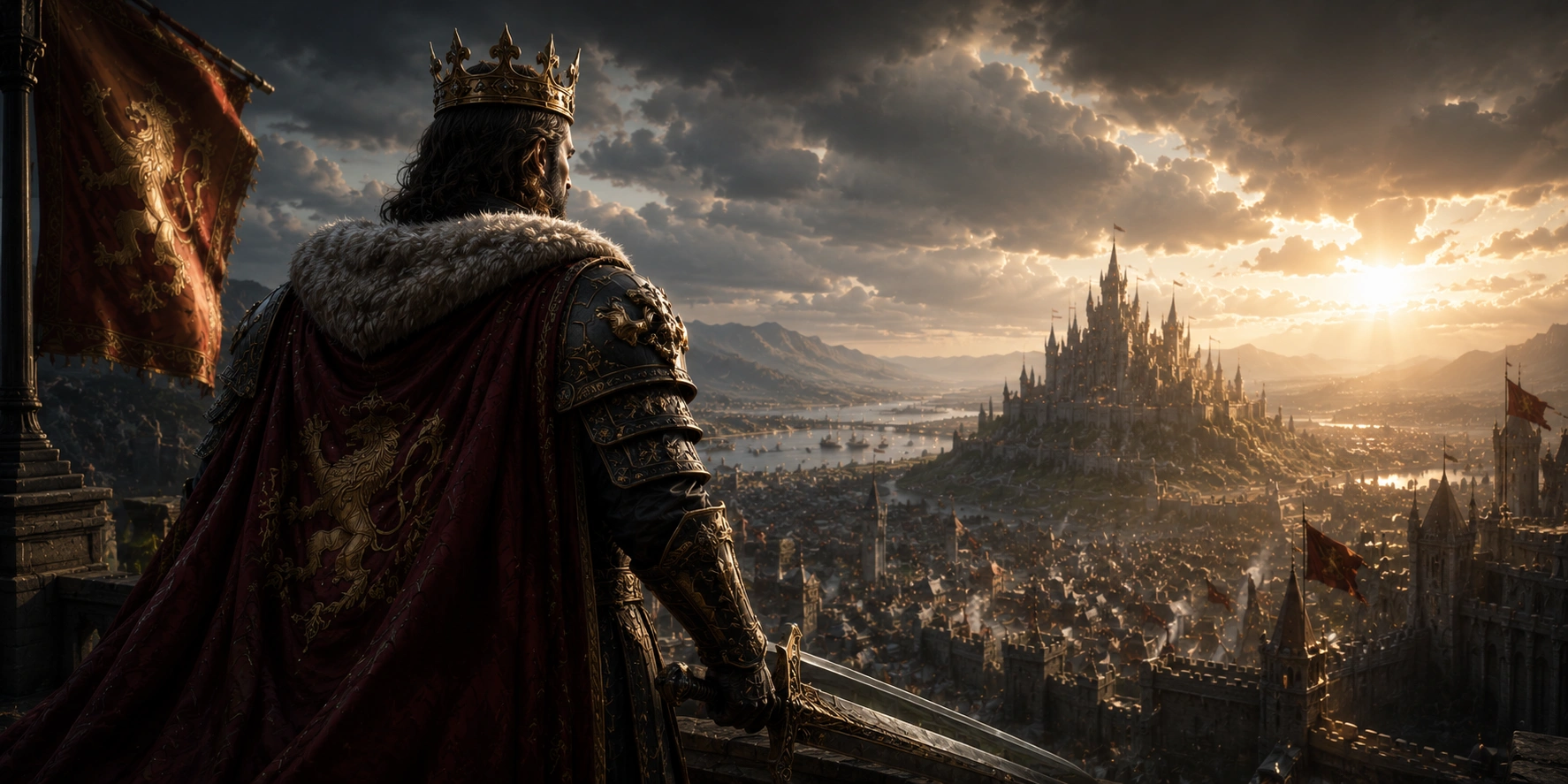
League of Thrones is a real-time multiplayer strategy game inspired by classic empire-building titles. Players begin with a small settlement and gradually expand their kingdom by upgrading infrastructure, gathering resources, researching technologies, and building powerful armies to compete on a global world map.
The project's main distinguishing feature is its integration of Web3 mechanics without sacrificing the familiar gameplay of traditional strategy games. Blockchain technology is primarily used to manage digital assets, enable item trading, and facilitate player interactions, while the core strategic experience remains accessible to fans of the genre.
Cooperative gameplay plays a central role in the project. Alliances can capture strategic locations together, participate in large-scale wars, and share valuable resources. This system makes teamwork and coordination essential for long-term progression.
The project belongs to the GameFi sector, where in-game achievements can coexist with true digital ownership. At the same time, success still depends on efficient resource management, diplomacy, strategic planning, and tactical decision-making. Since the game world evolves in real time, every decision influences future progress and a player's position on the server. Regular events, competitive activities, and seasonal content help keep the community engaged while providing additional opportunities for both individual players and alliances.
2. Gameplay and Kingdom Development
Gameplay revolves around the continuous development of your kingdom. Players must upgrade buildings, increase resource production, unlock new technologies, and strengthen their armies to defend their territory.
Exploring the world map is another important aspect of the game. Players gather resources, attack neutral targets, complete missions, and interact with other participants across the server. As their kingdoms grow, they gain access to more challenging events, larger battles, and alliance wars. The progression system offers multiple development paths, allowing every player to build a strategy that matches their preferred playstyle.
- Building and upgrading the city;
- Researching new technologies;
- Training different types of military units;
- Developing heroes and commanders;
- Participating in PvP battles and server events;
- Joining alliances and engaging in large-scale alliance wars.
Like most MMO strategy games, success depends not only on military strength but also on efficient resource management, proper timing, and strong cooperation with allies.
In practice, progressing in League of Thrones requires maintaining a balance between economic growth, defense, and military expansion. Investing too heavily in army development can create resource shortages that slow long-term progress. On the other hand, passive gameplay without participating in events or alliances limits access to valuable rewards. As a result, the most effective strategy combines careful planning, consistent activity, and teamwork.
3. How NFTs and Blockchain Are Used
Blockchain integration allows certain in-game assets to become digital property owned directly by players. Some items, heroes, and other ecosystem elements are represented as NFTs, enabling players to own them independently of any specific game server.
Using NFTs makes it possible to transfer and trade assets through specialized marketplaces. This distinguishes League of Thrones from traditional mobile strategy games, where all in-game items remain under the full control of the developer.
In addition to NFTs, the ecosystem incorporates cryptocurrency-based mechanics commonly found in GameFi projects. These features are used within the in-game economy, support various platform functions, and contribute to the development of the project's broader digital ecosystem. At the same time, blockchain technology has minimal impact on the core gameplay. Players can focus on building their kingdom and participating in PvP battles, while Web3 serves as an additional layer of digital ownership.
This approach lowers the entry barrier for users who have never interacted with cryptocurrencies or NFTs before. Players who prefer a traditional gaming experience can focus entirely on strategy and kingdom development, while blockchain features remain optional tools for managing digital assets and participating in the wider ecosystem.
4. League of Thrones Compared to Other Web3 Strategy Games
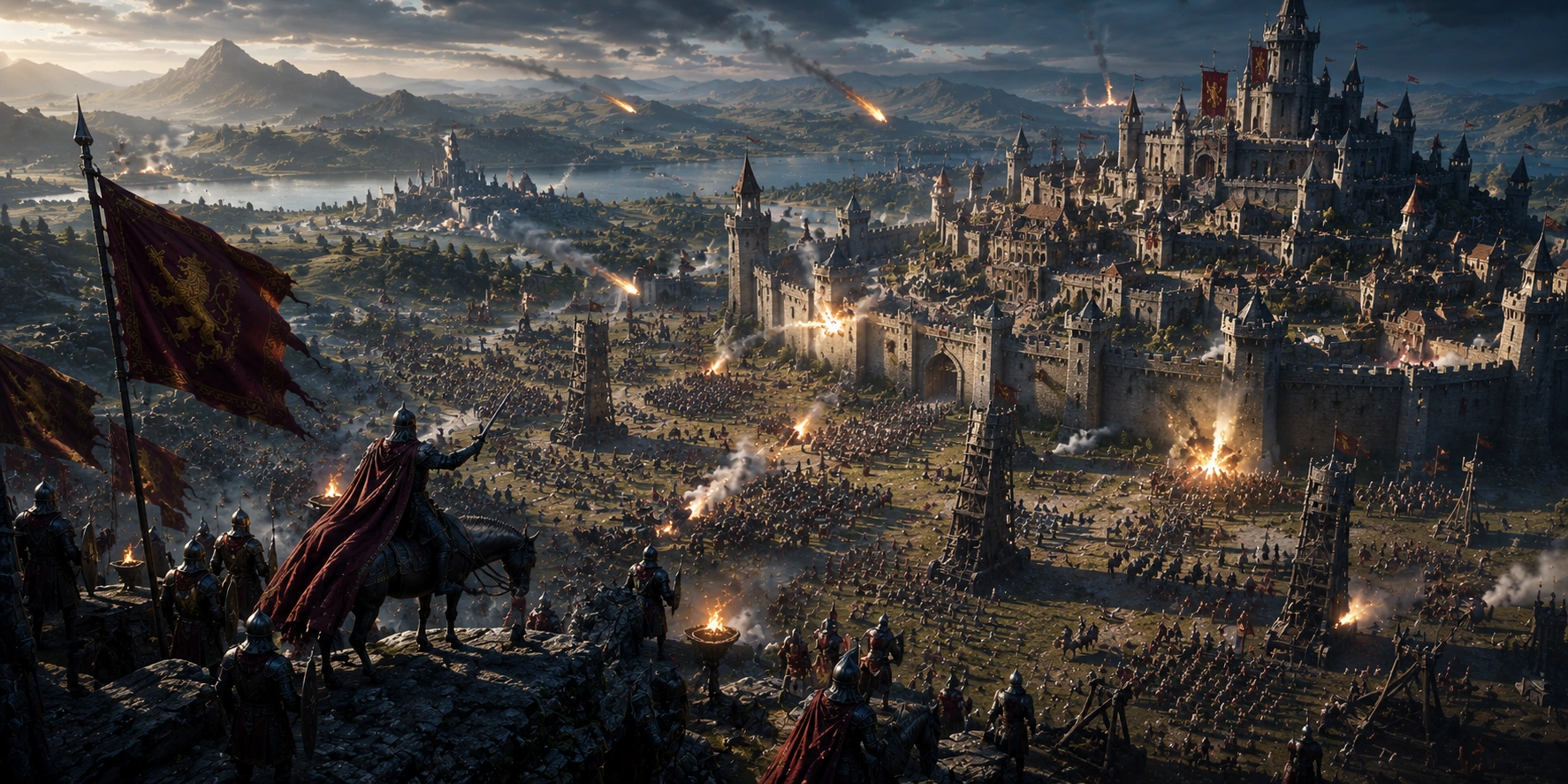
Although League of Thrones belongs to the GameFi genre, it takes a distinctive approach to game economy design and social interaction. Unlike many GameFi projects that focus primarily on tokenomics and financial incentives, League of Thrones emphasizes engaging strategic gameplay.
Blockchain technology serves as a tool that expands player capabilities rather than replacing traditional strategy mechanics. This allows the game to preserve the familiar MMO strategy experience while introducing the benefits of digital asset ownership. The key differences become more apparent when compared with a typical Web3 strategy game.
| Feature | League of Thrones | Typical Web3 Strategy Game |
|---|---|---|
| Main Genre | MMO Strategy | Strategy or RPG |
| City Development | Yes | Not Always |
| NFT Integration | Used for digital assets | Included in most projects |
| Alliances | Core gameplay feature | Depends on the project |
| PvP | Large-scale server wars | Often limited game modes |
| Economy | Combination of game resources and Web3 | Primarily token-based |
This model successfully combines the familiar mechanics of traditional mobile strategy games with the capabilities of blockchain technology. For players already familiar with the genre, the learning curve remains relatively low.
At the same time, NFTs and Web3 features expand the possibilities for managing and trading in-game assets, making the game's economy more open and player-driven than that of conventional mobile strategy titles.
5. Ecosystem, Future Prospects, and the Role of League of Thrones in GameFi
League of Thrones reflects a broader trend in modern Web3 gaming, where blockchain serves as a supporting technology rather than the core gameplay mechanic. Digital ownership, an open economy, and asset trading enhance the traditional gaming experience instead of replacing it. The future of projects like this largely depends on the activity of the player community, the stability of the in-game economy, and the consistent release of new content. For MMO games in particular, long-term success relies on developer support, competitive gameplay, and sustained player engagement.
League of Thrones can be viewed as an example of the gradual integration of Web3 technologies into established gaming genres. The project combines kingdom building, large-scale PvP warfare, alliance-based gameplay, and NFT ownership while preserving the strategic mechanics familiar to fans of MMO strategy games. This balance between traditional gameplay and digital ownership has become one of the defining characteristics of the modern GameFi ecosystem.
Another important factor in the project's future development is the continued expansion of the blockchain ecosystem and the emergence of new services compatible with in-game digital assets. As Web3 technologies mature, games like League of Thrones may offer even deeper integration with decentralized services while maintaining an accessible and engaging gameplay experience. This makes the project a strong example of how blockchain games can successfully combine high-quality strategy gameplay with the benefits of digital ownership without compromising player enjoyment.











