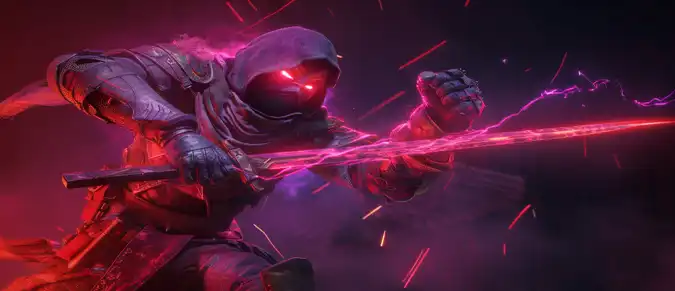

Lords Arena is a Web3 game where dynamic PvP battles are combined with character progression and a digital economy. Unlike early GameFi projects that focused mainly on earning, this game emphasizes active gameplay, while blockchain serves as a supporting layer. Players control heroes, participate in battles, upgrade equipment, and interact with NFT assets. This approach makes the project closer to a full-fledged gaming ecosystem, where not only tokens matter, but the gameplay itself.
Contents
- Concept and Structure of Lords Arena
- Gameplay and PvP Mechanics
- NFT and Digital Assets
- Lords Arena Economy and Tokens
- Advantages and Future Potential
1. Concept and Structure of Lords Arena
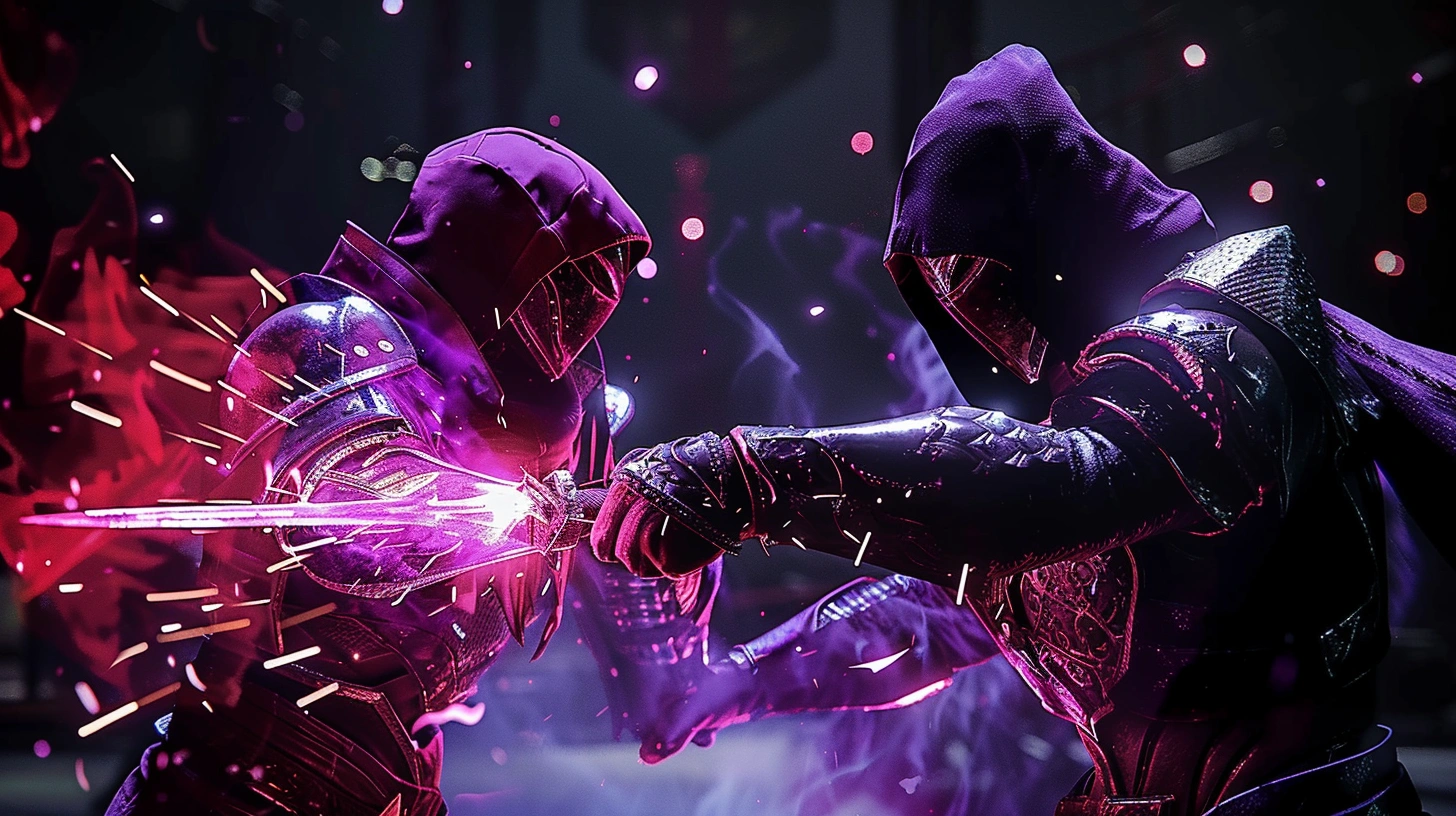
Lords Arena is positioned as a Web3 game focused on competitive gameplay. It combines traditional PvP action with blockchain infrastructure. Players receive a hero and gradually develop them by improving stats and unlocking new abilities.
The key difference lies in the fact that the economy does not dominate gameplay. Blockchain is used for asset ownership and transparency, without interfering with the player experience. This creates a more balanced system. Interaction between players plays a major role, as battles, progression, and resource exchange form a unified environment where actions directly impact progress.
The project is designed to be accessible to different types of players, including both experienced Web3 users and newcomers. Simple onboarding and intuitive mechanics make it easier to get started. Developers also focus on balance and регуляр updates, ensuring the game remains relevant and avoids stagnation.
2. Gameplay and PvP Mechanics
The core of Lords Arena is real-time PvP combat. Players control heroes, use abilities, and interact with the environment. This format requires not only character progression but also player skill.
Each match is a short but intense battle. Victory depends on reaction, strategy, and understanding of mechanics, making gameplay more dynamic and less predictable.
The game also includes a progression system where players can upgrade skills, change equipment, and adapt their playstyle. Various modes and events add diversity and provide additional rewards.
Ranking systems and leagues allow players to compete for higher positions, adding a sense of progression. Temporary modes can introduce new rules, keeping gameplay fresh. Gradual complexity helps both beginners and experienced players stay engaged.
3. NFT and Digital Assets
In Lords Arena, NFTs function as core gameplay elements. These include heroes, weapons, and equipment that directly influence performance and combat style.
Each asset has unique attributes and can be upgraded, adding a strategic layer to gameplay. NFT integration is part of the main loop rather than a separate feature, allowing players to use and combine assets effectively.
An internal marketplace enables trading between players, strengthening the economic layer. NFTs vary in rarity and stats, which affects their value and demand. Rare items can unlock new strategies and advantages.
This system encourages long-term engagement through collecting and optimizing builds. Players continuously improve their loadouts, increasing both involvement and gameplay depth.
4. Lords Arena Economy and Tokens
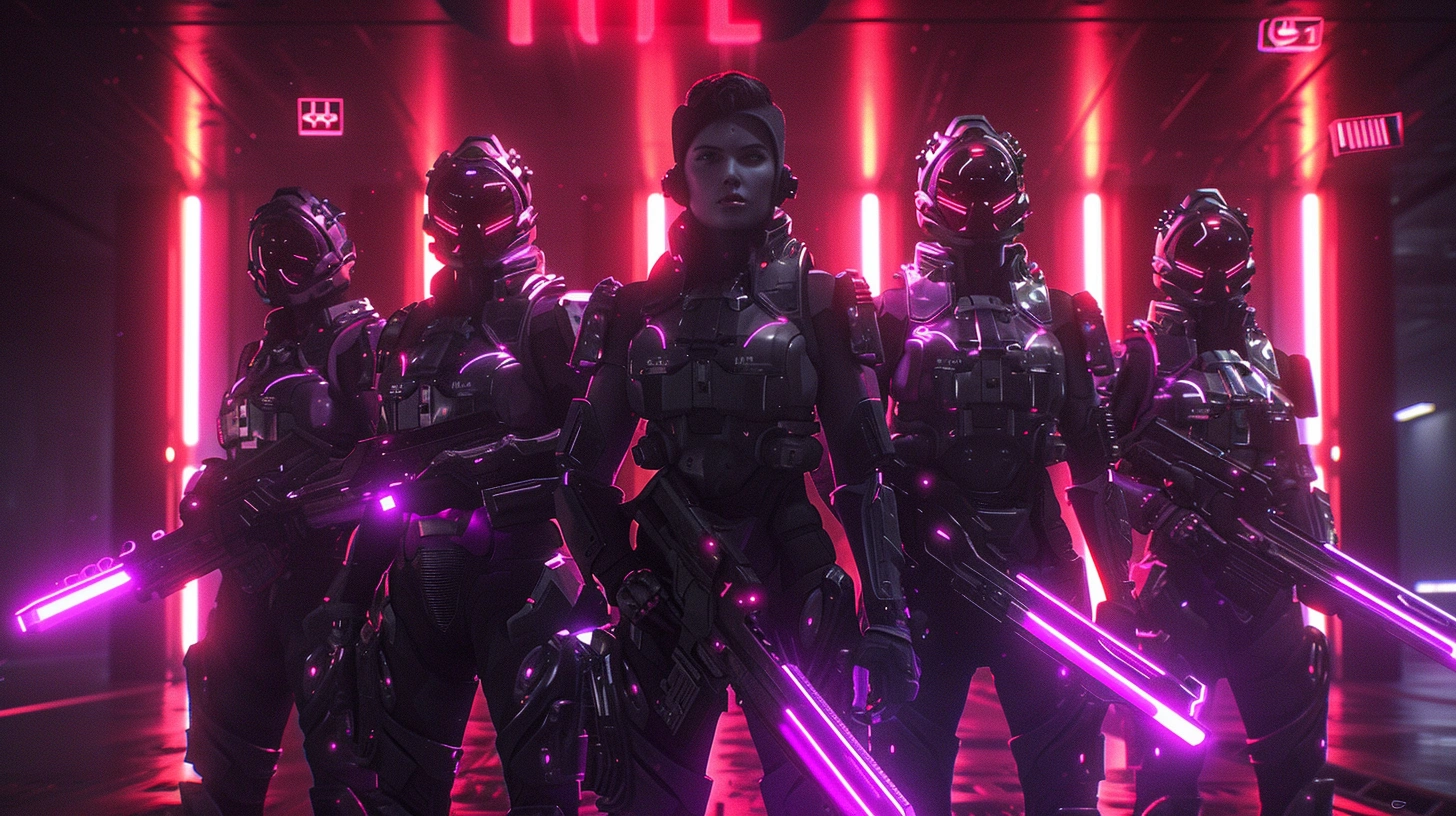
The economic model of Lords Arena is based on distributing roles across different assets. This reduces pressure on a single token and improves overall stability. Players can engage with the economy at multiple levels.
This structure helps maintain balance and limits the influence of external factors. The system adapts to player activity, ensuring long-term sustainability.
The economy is designed to retain users over time. It rewards participation in battles and character progression, making engagement more meaningful. Developers also implement emission control and resource redistribution to reduce inflation risks.
Core elements of the economy:
- Heroes — main playable characters with unique attributes;
- Weapons — define combat style and damage output;
- Equipment — enhances defense and additional stats;
- Game tokens — used for rewards and transactions.
Token Table
| Token | Type | Purpose |
|---|---|---|
| LORD | Utility | In-game operations |
| sLORD | Reward | Rewards for battles |
| NFT | Digital Asset | Heroes, weapons, and equipment |
This role distribution allows flexible management of the system. Gameplay actions do not create excessive pressure on the economy, and players can choose different participation strategies. Token burn mechanisms and reward limits may also be implemented to control supply. This reduces inflation risks and helps maintain economic stability. A balance between earning and spending encourages active player engagement, supporting long-term sustainability.
5. Advantages and Future Potential
Lords Arena stands out among Web3 games due to its focus on active PvP gameplay and balanced economy. The project emphasizes player skill, reducing reliance on financial investment and creating a fairer experience.
Maintaining balance between NFTs and gameplay remains a key challenge, requiring constant adjustments. Future development is tied to expanding game modes, improving balance, and enhancing the economy.
Esports potential and mobile optimization offer additional growth opportunities. Overall, Lords Arena reflects a shift toward more sustainable Web3 games where blockchain enhances, rather than replaces, gameplay.
The project can also benefit from expanding social features and player interaction. Regular content updates will be crucial for maintaining engagement. Together, these factors create a strong foundation for long-term growth and scalability.











