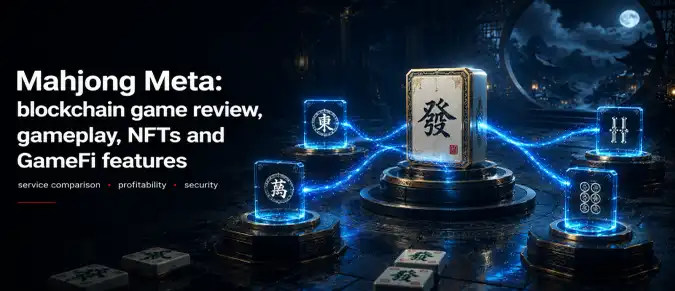

Mahjong Meta is a blockchain game that combines the classic rules of Mahjong with Web3 technology and a digital economy. The project allows players to participate in multiplayer matches, use NFT-based assets, and interact with GameFi features without sacrificing the traditional gameplay experience. Unlike most blockchain games focused on RPGs or strategy titles, Mahjong Meta is built around the centuries-old intellectual board game of Mahjong. This approach successfully combines familiar gameplay with modern digital ownership technologies.
Contents
- What Is Mahjong Meta? Blockchain Game Overview and Key Features
- Gameplay, Game Modes, and Account Progression
- NFTs, Web3, and the Mahjong Meta Digital Economy
- Mahjong Meta Compared to Other GameFi Projects
- Mahjong Meta Ecosystem and Future Development

1. What Is Mahjong Meta? Blockchain Game Overview and Key Features
Mahjong Meta is a Web3 project based on the classic game of Mahjong. The developers aim to preserve the traditional rules and strategic depth of the original game while enhancing it with blockchain technology and digital ownership.
The project targets both fans of classic board games and the growing Web3 audience. Instead of inventing entirely new gameplay mechanics, the developers rely on the well-known Mahjong format while introducing modern features such as NFTs, digital assets, and community-driven gameplay.
A strong emphasis is placed on competitive play. Players can participate in ranked matches, tournaments, and seasonal events, gradually improving their rankings and unlocking new opportunities as they progress.
By combining traditional Mahjong gameplay with Web3 technology, Mahjong Meta demonstrates how classic intellectual games can evolve within the GameFi ecosystem, where digital ownership serves as an additional feature rather than the primary purpose of the game.
2. Gameplay, Game Modes, and Account Progression
The gameplay remains based on the classic rules of Mahjong, requiring concentration, logical thinking, and the ability to anticipate opponents' moves. Every match features a unique tile distribution, forcing players to continuously adapt their strategies.
As players participate in matches, they improve their rankings, unlock new game modes, compete in tournaments, and earn various in-game rewards. Competitive gameplay plays a central role, as success depends primarily on player skill rather than chance.
Core gameplay features include:
- classic Mahjong matches;
- ranked competitive games;
- online multiplayer competitions;
- tournaments and seasonal events;
- player profile progression;
- earning in-game rewards;
- participation in the game community.
This progression system allows players to steadily improve their skills while climbing the competitive rankings. Long-term success depends not only on the number of matches played but also on the ability to make the right decisions in each unique situation.
For players, this means every match contributes to overall account progression rather than being an isolated game. The better a player understands Mahjong combinations and tactical decisions, the greater their chances of consistently climbing the leaderboard and performing well in tournaments. This structure makes Mahjong Meta comparable to other competitive online games where experience, analysis, and continuous practice are essential.
3. NFTs, Web3, and the Mahjong Meta Digital Economy
One of Mahjong Meta's defining features is its integration of Web3 technology. Selected in-game items, collectibles, and digital assets can exist as NFTs, providing players with verifiable ownership of these assets.
NFTs allow players to own specific digital items independently of the game itself and interact with them through compatible blockchain marketplaces and services. This creates a more open in-game economy compared to traditional mobile games.
In addition to NFTs, the project incorporates various Web3 infrastructure components that support player interaction within the game's ecosystem. At the same time, blockchain does not alter the core Mahjong rules and remains an additional technological layer.
This architecture makes Mahjong Meta accessible not only to cryptocurrency users but also to players who want to explore Web3 without needing advanced blockchain knowledge.
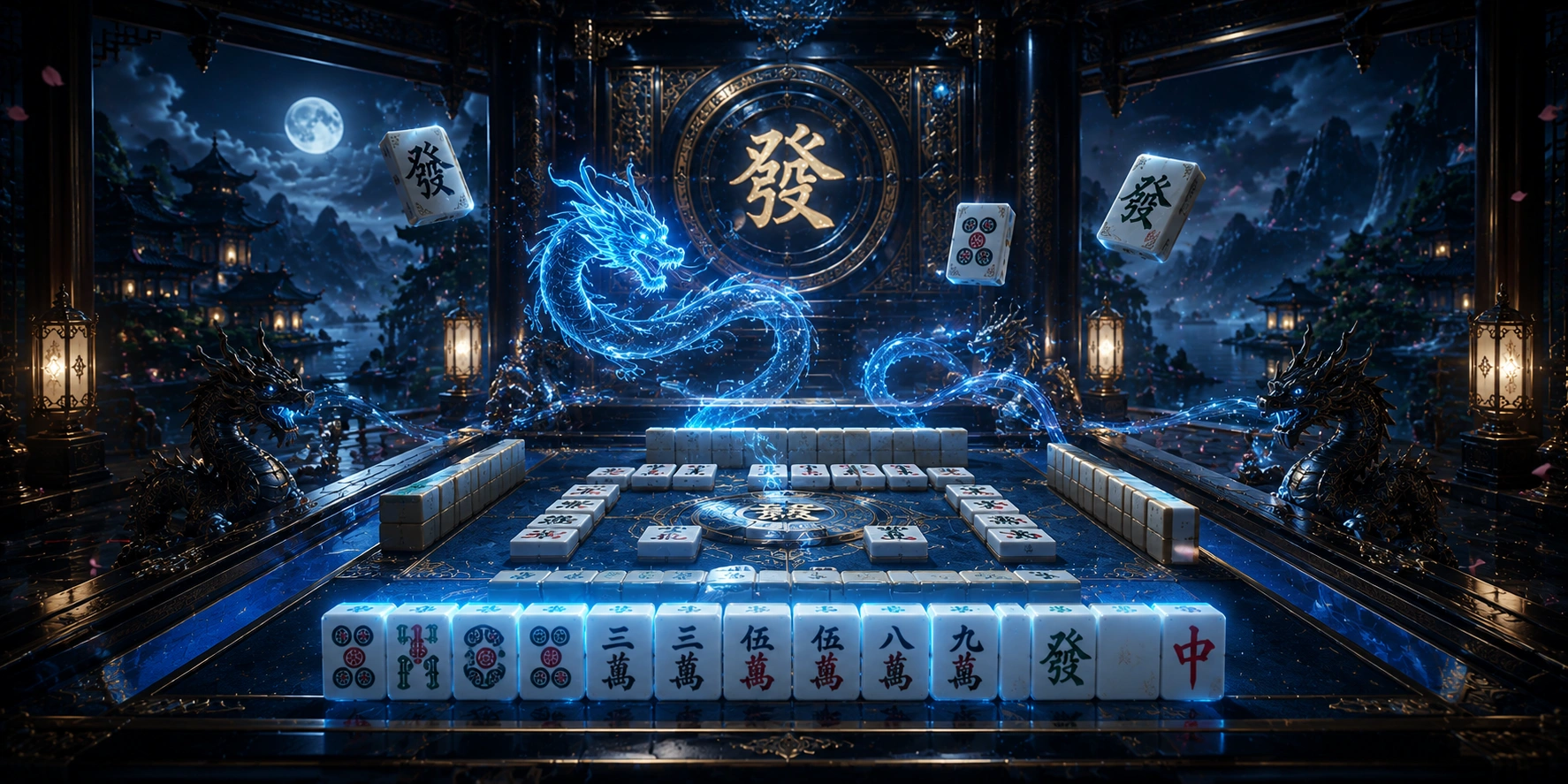
4. Mahjong Meta Compared to Other GameFi Projects
Unlike most GameFi projects built around RPGs, strategy games, or card games, Mahjong Meta is based on a classic intellectual game with long-established rules. This makes its gameplay familiar and accessible to a much broader audience.
The key difference is that blockchain does not replace the traditional gameplay—it naturally enhances it. Players enjoy the familiar Mahjong experience while benefiting from digital ownership and Web3 functionality. The main differences between Mahjong Meta and a typical GameFi project are summarized below.
| Feature | Mahjong Meta | Typical GameFi Project |
|---|---|---|
| Genre | Mahjong / Board Game | RPG, Strategy, or Card Game |
| Main Focus | Skill and Strategy | Game Economy |
| NFTs | Collectible Digital Assets | Characters, Items, or Land |
| PvP | Core Gameplay Element | Depends on the Project |
| Player Rankings | Comprehensive Ranking System | Not Always Available |
| Web3 Integration | Enhances Traditional Gameplay | Often Becomes the Core Feature |
This model preserves the familiar Mahjong experience while leveraging the advantages of modern blockchain technology. As a result, Mahjong Meta occupies a unique position among GameFi projects focused on skill-based gameplay.
Web3 integration expands player opportunities without changing the game's fundamental rules, making the project accessible to both experienced Mahjong enthusiasts and newcomers alike.
5. Mahjong Meta Ecosystem and Future Development
The future of Mahjong Meta largely depends on community engagement, regular tournaments, and continued platform development. For competitive online games, stable matchmaking, fair competition, and frequent content updates are especially important.
As Web3 technology evolves, the project may further expand its use of digital assets, introduce new forms of player interaction, and integrate with additional blockchain services. At the same time, preserving the traditional rules of Mahjong remains one of the project's greatest strengths.
Mahjong Meta can be viewed as an example of how traditional board games can successfully evolve within the Web3 ecosystem. The project combines timeless strategic gameplay, multiplayer competition, NFTs, and digital ownership while keeping player skill at the center of the experience. This balance between classic game mechanics and modern blockchain technology represents one of the most promising directions for the future development of the GameFi industry.











