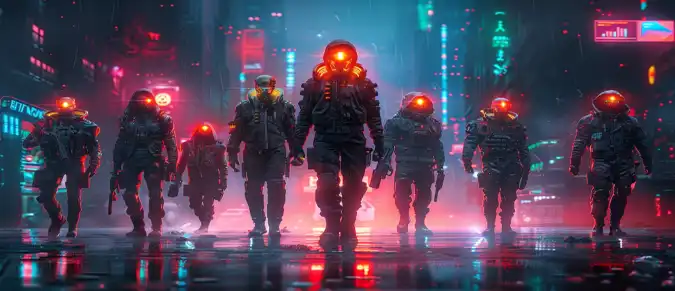

Parallel Colony is an experimental Web3 game set in the Parallel universe that combines strategy, colony simulation, and artificial intelligence. The project focuses not only on NFT assets and blockchain mechanics, but also on autonomous AI agents capable of interacting with each other and building their own digital economy. Unlike traditional blockchain games where players manually control most actions, Parallel Colony creates a more dynamic virtual environment where many events evolve independently. By combining AI, Web3 infrastructure, and a persistent world, the game is considered one of the most innovative projects in modern crypto gaming.
Contents
- What Is Parallel Colony
- Gameplay and AI Mechanics
- Project Economy and Tokens
- The Role of Web3 and Parallel Infrastructure
- Future Potential of Parallel Colony
1. What Is Parallel Colony
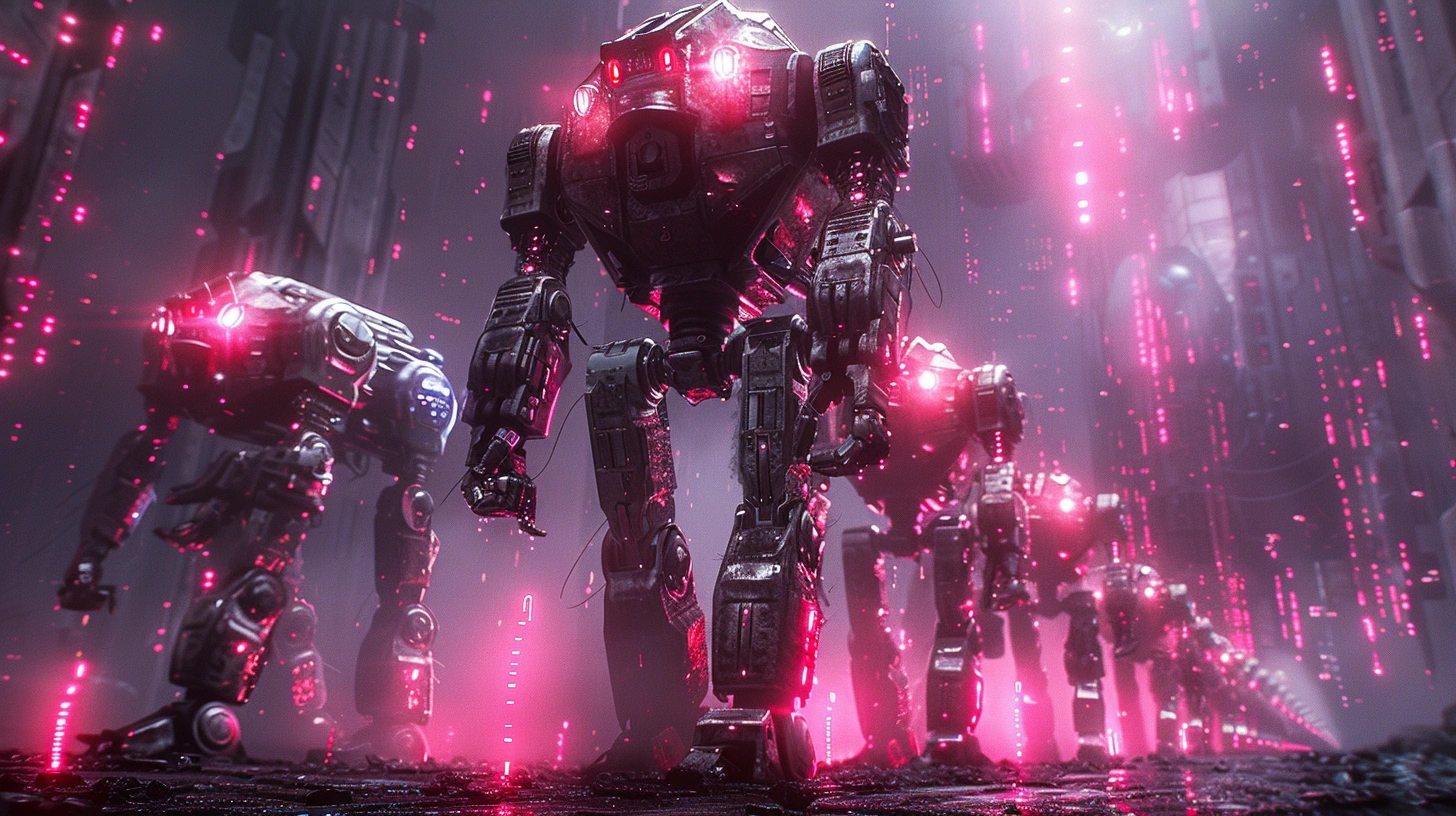
Parallel Colony is part of the Parallel ecosystem — a science-fiction Web3 universe known for its trading card game and NFT infrastructure. Colony expands this concept into an autonomous digital world where artificial intelligence becomes a core part of gameplay.
The main idea behind the project is the creation of a virtual colony populated by AI agents capable of performing tasks, interacting with the environment, and adapting to changing conditions. Players manage settlement growth, distribute resources, and define strategy, while many processes happen automatically without direct manual control.
The project differs from most Web3 games by focusing less on the “play-to-earn” model and more on building a sustainable virtual ecosystem. Developers aim to create a persistent world that continues evolving even when players are offline. This approach makes gameplay more dynamic and less predictable.
Blockchain integration also plays an important role. NFTs and tokens are used not only as collectible assets but also as part of the game economy, infrastructure, and digital ownership system.
2. Gameplay and AI Mechanics
Parallel Colony combines elements of strategy, settlement simulation, and resource management. Players are responsible for colony development, infrastructure construction, and economic planning, while AI agents automatically handle many operational tasks.
One of the game’s defining features is the high level of character autonomy. AI agents can make decisions, interact with other entities, and adapt to changes inside the colony. As a result, the game world evolves more naturally, and every gameplay session becomes unique.
Main gameplay mechanics include:
- Colony management — infrastructure development and resource control.
- AI agents — autonomous characters with their own behavioral logic.
- Economic system — production, trading, and resource distribution.
- Persistent world — the game world evolves even without player activity.
- NFT assets — ownership of digital objects and in-game items.
- Web3 integration — blockchain-based asset management.
Instead of manually controlling every action, players define the colony’s overall direction and influence strategic decisions. This makes Parallel Colony closer to a digital ecosystem simulator than a traditional blockchain game.
The project’s emphasis on AI and automation creates a less linear experience and allows unique situations to emerge naturally inside the virtual world.
3. Project Economy and Tokens
The economic model of Parallel Colony is built around the Parallel ecosystem and combines in-game resources, NFTs, and blockchain technology. Developers aim to create a sustainable digital economy where the value of assets depends not only on speculation but also on their utility inside the game world.
The central element of the ecosystem is the PRIME token, which is used for governance, ecosystem participation, and various in-game functions. NFT assets also play a key role by giving users ownership over unique characters and digital items.
| Token / Asset | Purpose | Role in the Ecosystem |
|---|---|---|
| PRIME | Main ecosystem token | Governance, in-game economy, and project development |
| Parallel NFT | Unique digital assets | Ownership of characters and game elements |
| AI Agents | Autonomous in-game entities | Task execution and participation in colony economics |
| Resources | In-game materials | Infrastructure support and colony expansion |
Unlike early play-to-earn projects, Parallel Colony focuses on long-term interaction between players, AI agents, and in-game systems.
The project’s economy is considered one of its most unique aspects because it combines gameplay mechanics, AI, and Web3 infrastructure into a single digital system.

4. The Role of Web3 and Parallel Infrastructure
Parallel Colony actively uses Web3 infrastructure to create a more open model of digital ownership. Unlike traditional online games where developers fully control in-game assets, users here can own NFT-based items and use them throughout the Parallel ecosystem.
Blockchain technology provides transparency and verifiable ownership of digital assets. At the same time, the project goes beyond simple token integration. Web3 serves as the foundation for the economy, player interaction, and the persistent world structure.
The connection to the broader Parallel ecosystem is another important element. Different games, NFTs, and infrastructure components can function together inside a shared metaverse. Because of this, Colony acts not as an isolated game but as part of a larger digital universe.
A major advantage of the project is the integration of artificial intelligence with blockchain systems. AI agents can influence the colony economy, interact with resources, and shape world development. This combination makes Parallel Colony one of the most unusual experiments at the intersection of AI and Web3.
5. Future Potential of Parallel Colony
Parallel Colony is considered one of the most ambitious Web3 gaming projects due to its combination of AI, blockchain infrastructure, and simulation mechanics. The game is evolving toward a fully autonomous digital world where many processes continue without постоянного участия пользователя.
AI agents remain one of the project’s most promising features. As artificial intelligence technology advances, virtual characters may become more realistic and adaptive, while the game world itself grows increasingly dynamic. This could significantly influence the future development of online games and metaverses.
The integration with the PRIME token and the broader Parallel ecosystem also adds long-term value by connecting different gaming products and digital assets into a unified infrastructure. Despite its experimental nature, Parallel Colony is already viewed as one of the most interesting examples of AI and Web3 integration.
By combining artificial intelligence, decentralized economies, and persistent world mechanics, Parallel Colony may become an important step in the evolution of next-generation blockchain gaming.











