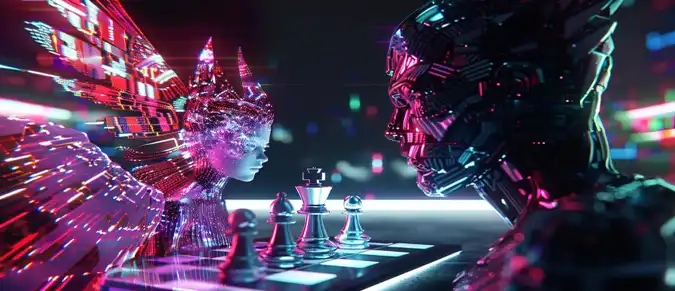

Pixie Chess is a Web3 game that reimagines classic chess by incorporating elements of blockchain, NFTs, and a digital economy. Unlike traditional chess platforms, users don’t just play—they interact with digital assets that hold value within the ecosystem. The project combines strategy, collecting, and economic mechanics, creating a new gaming format. As a result, Pixie Chess demonstrates how classic games can adapt to the Web3 environment.
Contents
- Concept and Features of Pixie Chess
- Gameplay
- Economy and Tokens
- Advantages and Limitations
- Future Prospects
1. Concept and Features of Pixie Chess
Pixie Chess combines classic chess logic with Web3 technologies. The main focus is on transferring the familiar gameplay experience into a decentralized environment. Each piece can exist as a unique digital asset, adding ownership and collectibility.
Unlike standard chess, there is an additional layer of interaction. Players not only make strategic decisions but also manage assets with varying rarity and value. This makes the gameplay more complex and engaging.
The project targets a broad audience, including both chess enthusiasts and Web3 users. This approach helps объединить different player groups and expand the boundaries of traditional gaming. Pixie Chess becomes not just a game, but part of a digital ecosystem. Visual design also plays an important role, with unique pieces and boards enhancing immersion and making the experience more modern and appealing.
Additionally, asset ownership strengthens the sense of progression. Players see not only match results but also the growth of their collection, creating extra motivation to return to the game and encouraging long-term engagement.
2. Gameplay
The gameplay of Pixie Chess is based on classic chess rules but enhanced with new mechanics. Players can use different types of pieces that vary not only in appearance but also in attributes.
Players must consider both positioning and piece characteristics, adding strategic depth and making each match unique. This results in a more flexible experience compared to traditional chess.
- Use of NFT pieces in matches
- Development and upgrading of game elements
- Participation in ranked matches
- Rewards for victories
- Tournaments and competitive modes
Various game modes are available, including quick matches and special events with unique conditions. This increases engagement and keeps the experience fresh. The game is also adaptable to different skill levels—beginners can learn the basics, while advanced players apply complex strategies, fostering an active and diverse community.
3. Economy and Tokens
The economic model of Pixie Chess is built around digital assets. Players can earn rewards for participating in matches and developing their pieces, adding motivation to engage with the game.
NFT pieces are a key part of the economy. They can vary in rarity and value, forming an internal marketplace where users can trade or sell their assets.
| Token | Function |
|---|---|
| Game Token | Rewards and in-game transactions |
| NFT Pieces | Game pieces and collectible assets |
| Utility Token | Purchases and upgrades |
This system connects gameplay with economic activity, turning users into active participants in the ecosystem where their actions have value.
Maintaining economic balance is crucial. Developers must regulate asset supply and demand to ensure sustainability. Market dynamics also affect asset value, making the economy more fluid and positioning players as participants in a digital marketplace.
4. Advantages and Limitations
Pixie Chess has several strengths. One of the key advantages is the combination of a familiar game with modern technologies, making it accessible to a wide audience.
Another benefit is digital asset ownership. Players control their pieces and can use them in different scenarios, increasing engagement.
However, there are also limitations. New mechanics may complicate gameplay for beginners, and blockchain infrastructure can impact performance speed. The economic system also requires balance, as token value fluctuations can influence player interest.
Security and user interface quality are equally important. Without proper implementation, the project’s growth may slow. Competition in the Web3 gaming market is strong, so continuous improvement is essential for long-term success.
5. Future Prospects
Pixie Chess reflects the trend of integrating classic games into Web3. It shows how traditional mechanics can adapt to a digital economy.
In the future, the game may expand with new features and modes, helping retain users and attract new ones. The development of tournaments and ranking systems can strengthen the competitive aspect.
Integration with other platforms could unlock additional opportunities, such as using assets across different ecosystems, increasing their value.
The evolution of Web3 technologies will directly impact the project. As tools become more accessible, Pixie Chess gains greater growth potential, positioning it within a broader industry trend.
Social features like clans or cooperative modes may also be introduced, enhancing player interaction and turning the community into a core part of the ecosystem. Ultimately, Pixie Chess stands as an example of how a classic game can transform into a digital ecosystem, combining strategy, asset ownership, and modern technology.











