

Plant vs Undead is a Web3 game that combines elements of strategy, farming, and NFT-based economics, creating a new model of interaction between players and digital assets. The project has become part of the rapidly growing GameFi sector, where users can not only play but also earn. Unlike traditional games, in-game items here have real value and can be used beyond the platform. This transforms Plant vs Undead from simple entertainment into a part of the digital economy, where players become active participants in a broader market.
Contents
- Concept and Features of Plant vs Undead
- Gameplay and Mechanics
- Ecosystem and Player Roles
- Tokens and Economic Model
- Advantages and Significance of the Project
1. Concept and Features of Plant vs Undead
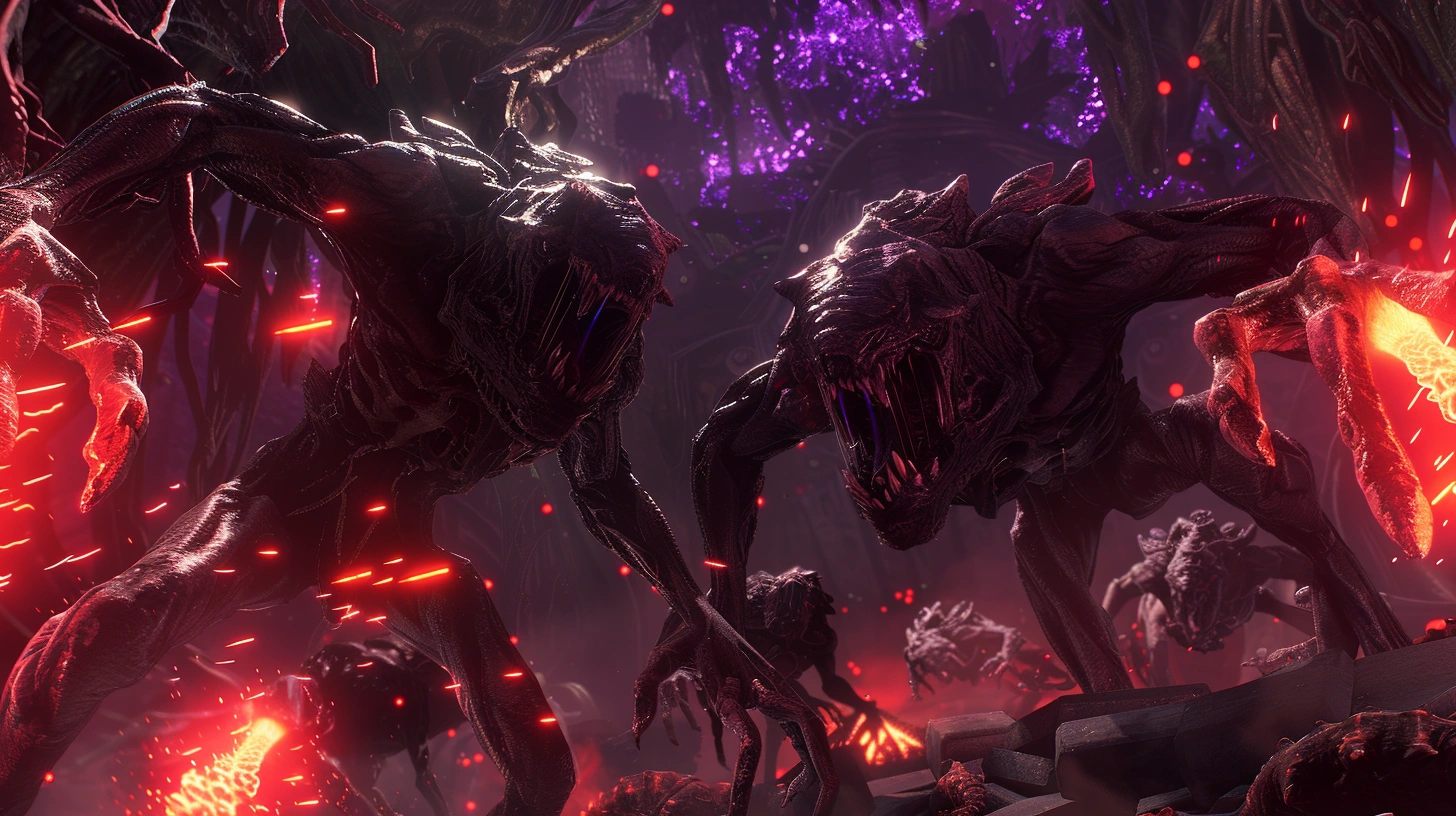
Plant vs Undead is a blockchain-based game inspired by classic tower defense strategies. Its key distinction lies in the integration of NFTs and crypto-economics. Players interact with digital plants that have unique attributes and can be used in battles or traded on the market.
The main idea of the project is to create a gaming environment where assets belong to users rather than developers. This shifts the traditional model, making the experience more transparent and participant-driven. The project also reflects the evolution of Web3, where ownership and control are transferred to the community. Players can manage their resources independently, increasing engagement and long-term interest.
Plant vs Undead builds a space where gameplay is closely tied to economic activity. This creates a new form of interaction in which entertainment and financial opportunities are combined into a unified system. The use of NFTs as core game elements ensures uniqueness and enables resale, forming a secondary market that strengthens the economic layer. This approach makes the game more complex and multi-dimensional.
2. Gameplay and Mechanics
The gameplay revolves around growing plants and defending territory against waves of enemies. Each NFT asset has specific attributes that affect performance in battles. Players can experiment with different strategies, combining elements to improve efficiency.
Resource management plays a critical role, as it directly impacts progression. Users must decide how to allocate their assets between development and combat activities. Daily missions and events add variety, offering rewards and maintaining engagement.
Over time, new levels and features become available, encouraging continuous progression. This dynamic structure keeps players motivated to stay active. In addition, users can participate in special events and tournaments that provide extra incentives. The diversity of mechanics allows players to adapt their style, creating a richer and more engaging experience overall.
3. Ecosystem and Player Roles
The Plant vs Undead ecosystem is designed so that each participant has a specific role, contributing to a balanced and sustainable system. This structure enables a fully functional in-game economy where each role influences overall development.
The community also plays a vital role by participating in discussions and testing new features. This strengthens decentralization and increases trust in the platform.
- players — engage in gameplay and earn rewards;
- farmers — grow plants and manage resources;
- investors — acquire NFT assets;
- traders — exchange and sell assets;
- community members — support project growth.
As the number of users increases, network effects become stronger, enhancing the value of the ecosystem. Interaction between participants creates a dynamic environment where each role complements the others. Active engagement supports continuous development, making the system more flexible and adaptive.
4. Tokens and Economic Model
The economy of Plant vs Undead is based on multiple tokens, each serving a specific function within the platform. These tokens facilitate interactions between participants and support the overall gameplay process. They also create incentives that encourage users to stay active and develop their assets.
| Token | Function | Description |
|---|---|---|
| PVU | Main token | used for purchasing NFTs and trading |
| LE | In-game resource | used for gameplay actions and progression |
The balance between supply and demand plays a key role in maintaining system stability. When properly managed, the economy can support long-term growth. Tokens can also be used outside the game, increasing their utility and integrating the project into the broader crypto ecosystem.
It is also important to note that the economic model depends heavily on user activity and overall interest. As the player base grows, token circulation increases, strengthening internal processes. This makes the economy a dynamic and evolving component of the platform.
5. Advantages and Significance of the Project
Plant vs Undead combines gameplay with financial opportunities, creating an attractive model for a wide audience. Users gain not only entertainment but also the ability to earn, which enhances engagement. One of the key advantages is accessibility: simple mechanics make it easy to start, while the economic system adds depth and variety.
The project also highlights the potential of the GameFi sector, demonstrating how blockchain can transform the gaming industry. It introduces new ways of interacting with digital assets by merging entertainment with investment elements. This makes the platform appealing not only to gamers but also to participants in the crypto market.
Despite competition and market fluctuations, Plant vs Undead remains relevant and continues to evolve. In the long term, such projects may form the foundation of a new digital entertainment economy. They illustrate how Web3 reshapes traditional gaming by giving users ownership of assets and participation in economic processes, making them an important part of the GameFi evolution.











