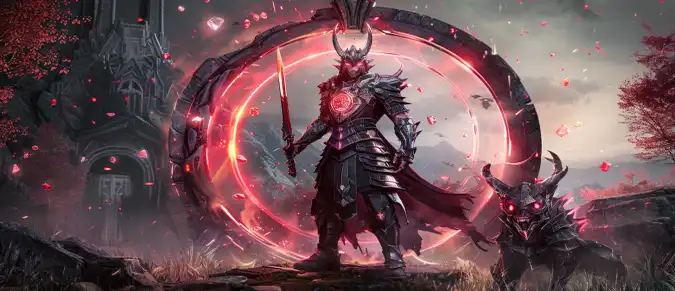

Portal Fantasy is a Web3 RPG game that combines adventure gameplay, creature collection, and blockchain infrastructure. The project focuses not only on NFTs and tokens but also on building a complete fantasy world with exploration mechanics, character progression, and player interaction. Unlike many blockchain games focused purely on earning mechanics, Portal Fantasy aims to merge traditional gaming with Web3 functionality. Because of this approach, the project attracts both crypto enthusiasts and players interested in modern RPGs with elements of digital economy.
Contents
- What Is Portal Fantasy
- Gameplay and Core Mechanics
- Portal Fantasy Economy and Tokens
- NFTs and Web3 Infrastructure
- Future Potential of Portal Fantasy
1. What Is Portal Fantasy
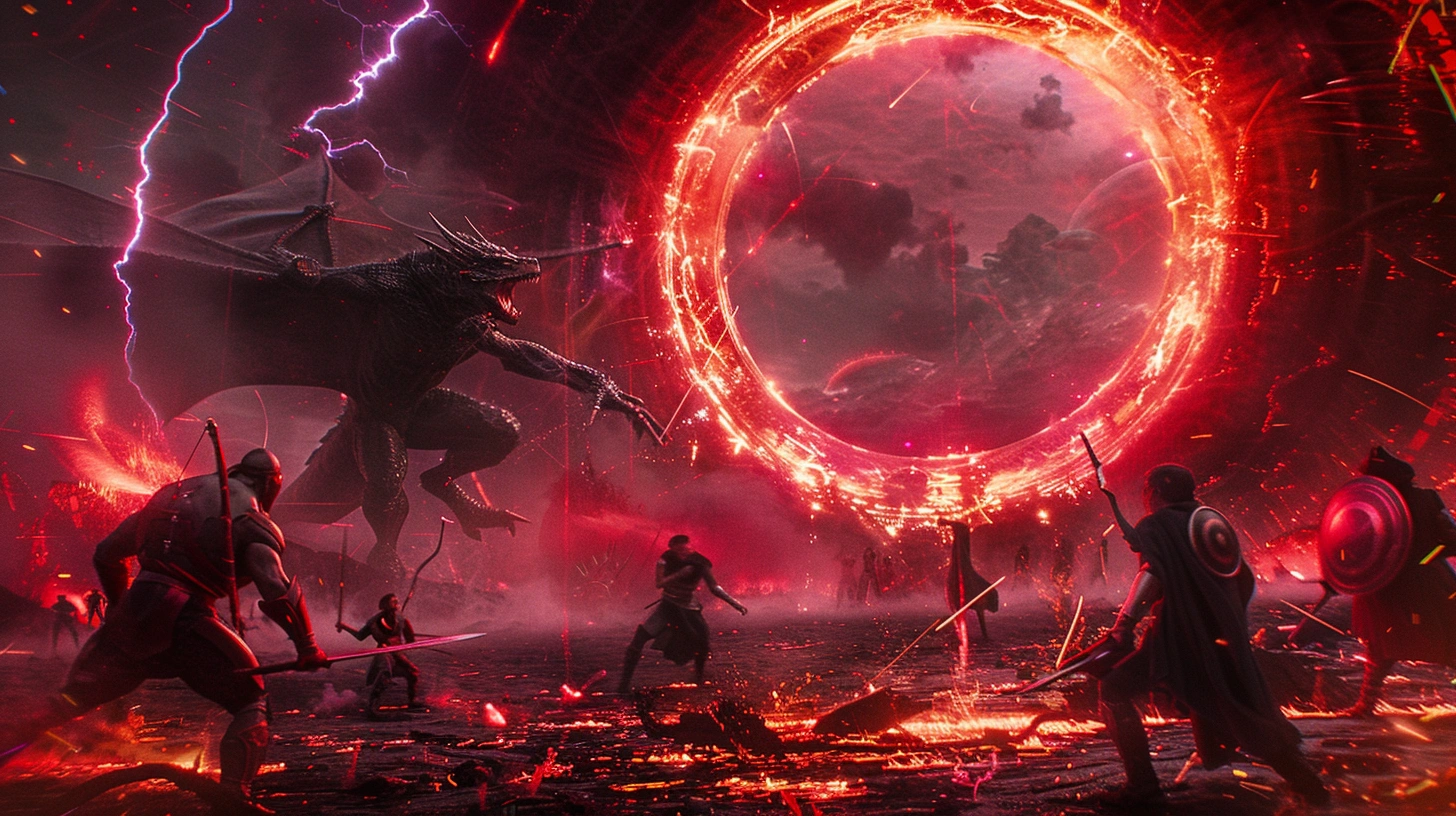
Portal Fantasy is an adventure RPG that combines creature collection, world exploration, and digital asset ownership. Players enter a fantasy universe where they travel between regions, complete quests, interact with characters, and build their own team of creatures. The project is inspired by classic RPG titles and collection-based mechanics while integrating blockchain technology into the experience.
The main concept behind Portal Fantasy is to make Web3 functionality part of the gameplay rather than the sole purpose of the project. The developers aim to balance entertainment and digital economy systems. Players gain access to NFT assets, in-game items, and tokenized features, but the game is not focused entirely on financial mechanics.
An important aspect of the game is its visual style and atmosphere. The world of Portal Fantasy includes different biomes, dungeons, cities, and exploration zones. As players progress, they unlock new territories, upgrade creatures, and gain access to additional gameplay mechanics. This creates the feeling of a complete RPG adventure rather than just a blockchain platform with gaming elements.
The project is also designed for a broader audience. Players do not need deep knowledge of cryptocurrency or NFTs to start playing, which helps lower the entry barrier for users unfamiliar with Web3 services.
2. Gameplay and Core Mechanics
The gameplay of Portal Fantasy is built around exploration, quest completion, and creature progression. Players travel across different regions, gather resources, interact with NPCs, and participate in PvE activities. Some gameplay elements resemble classic JRPG titles, where team-building strategy and character development play a major role.
Creatures within the game have unique attributes, abilities, and combat styles. Players can upgrade their stats, unlock new skills, and use them in various gameplay scenarios. This makes the progression system deeper and allows users to create their own approach to gameplay.
Key gameplay mechanics in Portal Fantasy:
- exploration of fantasy locations and hidden areas;
- creature collection and progression;
- story quests and PvE content;
- crafting and upgrading in-game items;
- interaction with NFT assets;
- trading digital objects within the ecosystem.
Another strong aspect of the project is the variety of gameplay activities, allowing players to gradually unlock new parts of the game world. As characters progress, users gain access to additional abilities, rare items, and more challenging encounters. This helps maintain player engagement and makes the gameplay experience more dynamic.
An important advantage of the project is its visual presentation. The developers focus on colorful aesthetics, animations, and an adventurous atmosphere. Thanks to this approach, Portal Fantasy aims to compete not only within the Web3 gaming sector but also among traditional indie RPG titles.
3. Portal Fantasy Economy and Tokens
The economic model of Portal Fantasy is built around in-game resources, NFTs, and tokenized assets. Players can earn items, upgrade creatures, trade with others, and use digital objects within the ecosystem. The developers aim to create a more sustainable economy where asset value is supported not only by speculation but also by gameplay activity.
Tokens and in-game items are used for character upgrades, item creation, and interaction with the marketplace. Some assets have limited rarity, making them more valuable within the community.
| Token / Asset | Purpose |
|---|---|
| Portal Fantasy Token | Main in-game ecosystem asset |
| NFT Creatures | Collectible playable characters |
| Rare Items | Character upgrades and customization |
| Game Resources | Crafting and account progression |
Player interaction plays a major role in the ecosystem. Users can sell assets, exchange items, and participate in the development of the in-game marketplace. This model helps build a separate digital economy within the project.
The developers also pay attention to controlling asset inflation. To achieve this, the game includes limited item releases, resource consumption systems, and long-term progression mechanics.
4. NFTs and Web3 Infrastructure
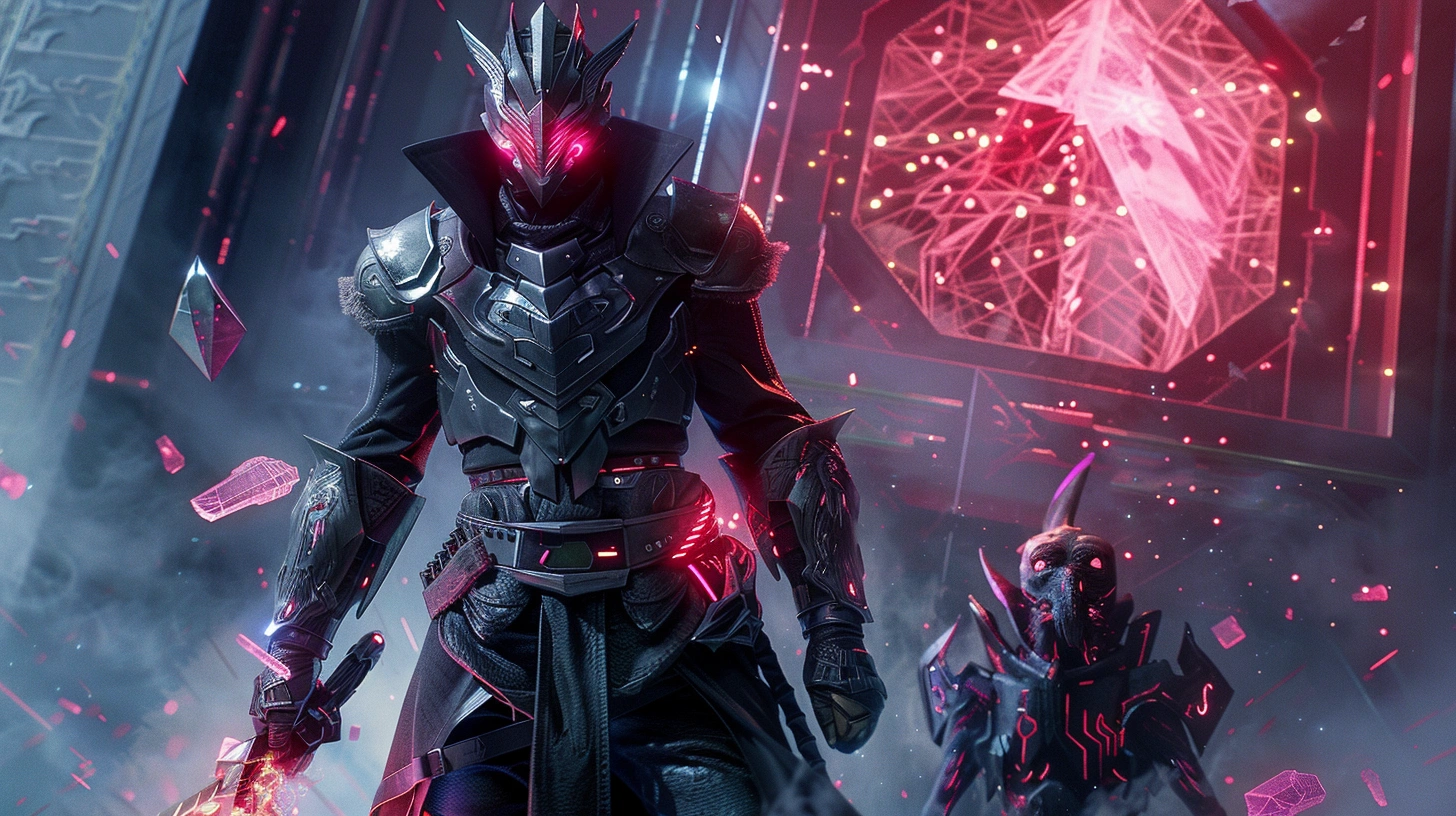
One of the key features of Portal Fantasy is the integration of NFTs into the gameplay. Unlike standard cosmetic items, many digital assets inside the game have practical functionality. Players can own creatures, rare items, and unique collectibles stored directly on the blockchain.
This model gives users greater control over their in-game assets. In traditional games, all items belong to the publisher, while Web3 infrastructure allows players to independently store, transfer, or trade digital objects.
Portal Fantasy also supports integration with crypto wallets and NFT services. This simplifies interaction with the ecosystem and allows players to use their assets beyond the game itself. At the same time, the developers try not to overload the project with overly complex blockchain mechanics in order to maintain a comfortable user experience.
An important advantage of the project is its focus on long-term ecosystem development. The goal is to create sustainable infrastructure where NFTs are part of the game world rather than just tools for short-term speculation.
5. Future Potential of Portal Fantasy
Portal Fantasy is developing alongside the growing Web3 gaming market, where users increasingly focus on gameplay quality and content depth. The industry is gradually shifting away from simple play-to-earn models toward fully developed gaming worlds with sustainable economies and deeper progression systems.
One of the project’s key success factors will be maintaining a balance between RPG mechanics and blockchain functionality. Players expect not only NFTs and digital ownership but also engaging content, character progression, and regular updates. Another advantage may come from expanding social features such as co-op modes, in-game events, and community-driven activities. These elements can increase player engagement and strengthen the game’s community.
Despite strong competition in the blockchain gaming sector, Portal Fantasy already stands out thanks to its visual style, RPG direction, and dedicated Web3 ecosystem. If the project continues improving its infrastructure and gameplay experience, it could secure a strong position among modern next-generation Web3 games.











