

The evolution of Web3 gaming is gradually reshaping the modern mobile entertainment industry. While early blockchain projects often focused primarily on financial incentives, more developers are now creating products where gameplay takes center stage. Puzzle Crusher belongs to this new generation of projects. The game combines a popular puzzle format with elements of a digital economy, progression systems, and Web3 features that enhance the overall experience. Thanks to this approach, Puzzle Crusher appeals not only to blockchain enthusiasts but also to a broader audience of mobile gamers.
Contents
- What Is Puzzle Crusher and the Project’s Core Concept
- Gameplay and Player Engagement
- Puzzle Crusher Economy and Digital Assets
- Key Advantages of the Game Ecosystem
- Puzzle Crusher’s Future Potential and Position in the Web3 Gaming Market
1. What Is Puzzle Crusher and the Project’s Core Concept
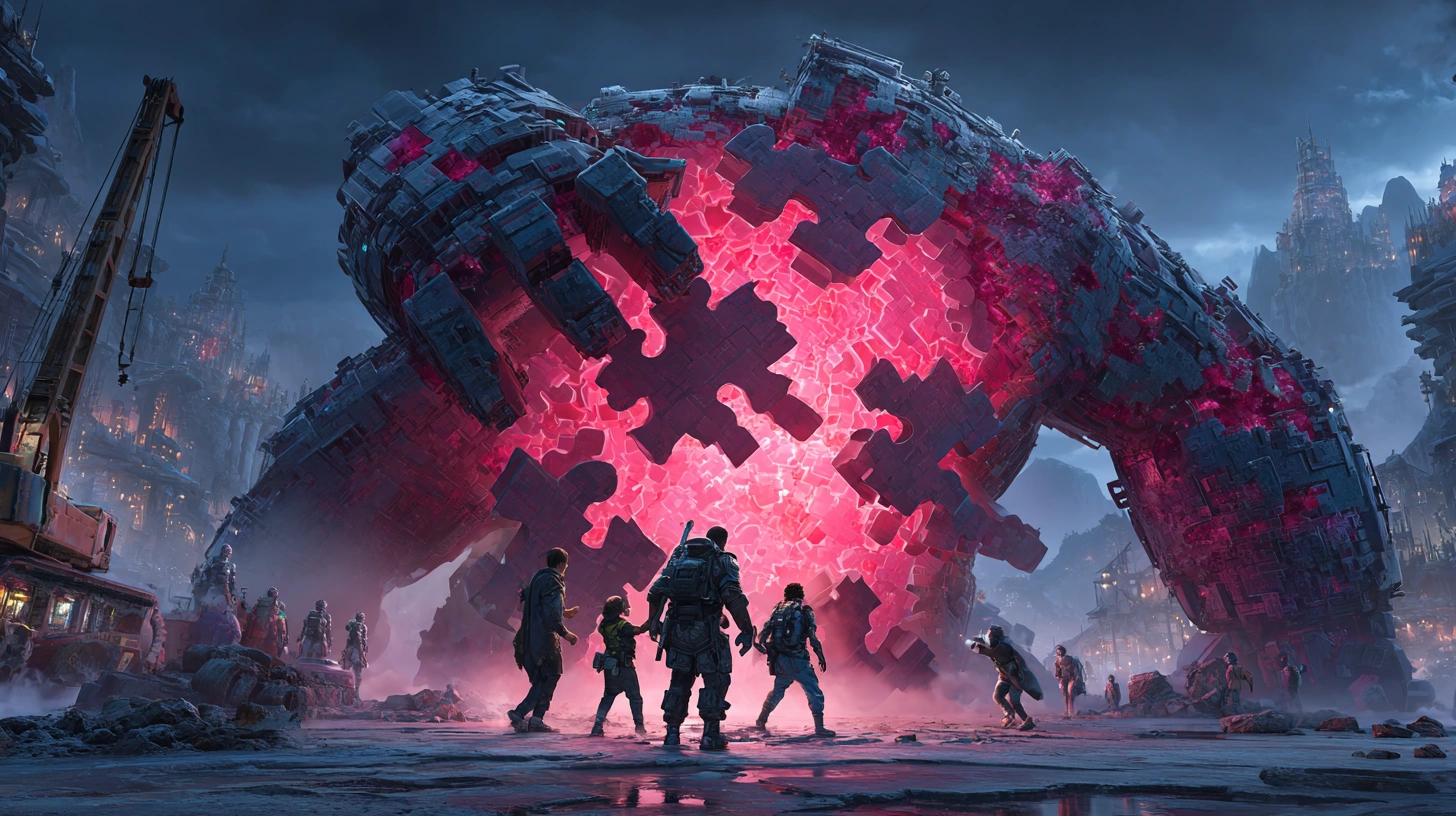
Puzzle Crusher is a Web3 puzzle game that combines familiar mobile gaming mechanics with blockchain-powered features. The project's main goal is to create an environment where digital ownership becomes a natural part of the gaming experience rather than its sole purpose.
Unlike many early GameFi projects that focused heavily on earning opportunities, Puzzle Crusher aims to keep players engaged through enjoyable gameplay. Users progress through levels, complete objectives, participate in events, and gradually develop their accounts. At the same time, Web3 functionality serves as an additional layer of interaction that expands the possibilities of the ecosystem.
Another important advantage is its relatively low entry barrier. Players do not need an advanced understanding of cryptocurrencies or decentralized technologies to get started. This allows the project to attract both experienced blockchain users and casual puzzle game enthusiasts.
2. Gameplay and Player Engagement
The foundation of Puzzle Crusher is a series of puzzle-based challenges that require attention, strategic thinking, and effective use of available resources. As players progress, the difficulty gradually increases, creating a sense of advancement and encouraging long-term participation.
The progression system includes achievements, challenges, and special in-game events. These features help maintain player interest even after completing a large number of levels. Competitive elements and leaderboard mechanics further encourage activity within the community.
The developers place significant emphasis on balancing accessibility with gameplay depth. New users can quickly understand the core mechanics, while experienced players have opportunities to refine their strategies and engage in additional activities. This balance helps Puzzle Crusher maintain long-term player retention.
3. Puzzle Crusher Economy and Digital Assets
The project's economic model revolves around several categories of digital resources, each serving a distinct role within the ecosystem. These assets are used for account progression, unlocking additional features, and participating in various gameplay mechanics.
Before reviewing the main asset types, it is important to note that the development team focuses on maintaining a balance between gameplay progression and economic incentives. This approach helps prevent financial mechanics from overshadowing the entertainment aspect of the game.
| Asset | Purpose | Role Within the Ecosystem |
|---|---|---|
| In-Game Currency | Account progression and rewards | Supports the internal economy |
| Premium Resources | Unlocking additional features | Accelerates progression |
| NFT Assets | Unique in-game items | Provides digital ownership |
| Reward Tokens | Incentivizing player activity | Encourages ecosystem participation |
This structure helps combine traditional gaming mechanics with the advantages of Web3 technology. The long-term sustainability of the economy will depend on the developers' ability to maintain a healthy balance between resource demand and player activity.
The effectiveness of the reward system also plays a crucial role, as it must encourage participation without creating excessive inflation of digital assets. As the ecosystem evolves, additional resource categories may be introduced, creating new opportunities for progression, player interaction, and participation in special events.
4. Key Advantages of the Game Ecosystem
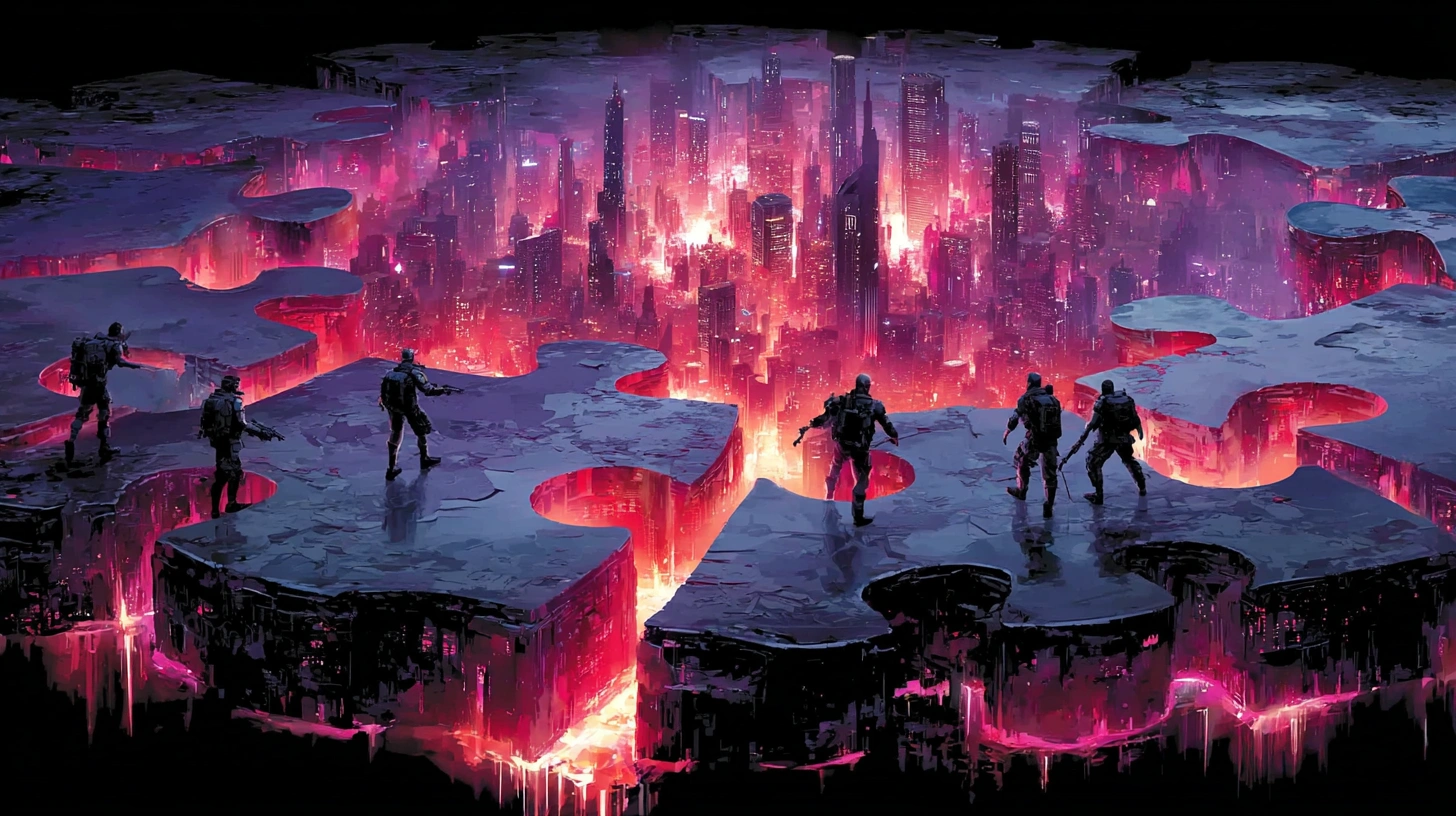
One of the factors that distinguishes Puzzle Crusher from other Web3 games is its combination of accessibility and technological innovation. The project offers players not only a classic puzzle experience but also additional tools for progression, event participation, and interaction with digital assets.
A key strength of the game is that blockchain features do not interfere with the core gameplay experience but instead complement it naturally. Players can focus on completing levels and achieving goals while gradually becoming familiar with Web3 elements. This approach makes the game easier to understand for mainstream audiences and lowers the barrier to entry for newcomers. In addition, the developers focus on long-term engagement by providing multiple progression paths and reward opportunities.
- Easy-to-understand gameplay without a steep learning curve.
- Web3 integration without a cluttered interface.
- Achievement and leaderboard systems.
- Use of digital assets within the ecosystem.
- Regular events and special activities.
- Long-term progression mechanics.
- Designed for both blockchain enthusiasts and casual gamers.
Thanks to this combination of features, Puzzle Crusher can serve as a bridge between traditional mobile gaming and the Web3 industry. This broadens its potential audience and attracts users who may have never interacted with blockchain applications before. In the long run, such a strategy could strengthen the project's position in the market and increase interest in next-generation gaming experiences.
5. Puzzle Crusher’s Future Potential and Position in the Web3 Gaming Market
The future of Puzzle Crusher largely depends on the team's ability to maintain high-quality gameplay while continuing to develop a sustainable economic model. The history of GameFi demonstrates that long-term success is usually achieved by projects that prioritize engaging gameplay and use financial incentives as a complementary feature.
Promising areas for future development include new game modes, expanded digital asset systems, enhanced social features, and deeper integration of Web3 tools. These improvements could increase community engagement, extend player retention, and create additional opportunities for interaction within the ecosystem.
As interest in blockchain gaming continues to grow, Puzzle Crusher appears to be a project focused on long-term development. The game demonstrates an approach in which Web3 technologies act as a natural extension of gameplay rather than its primary purpose. By combining puzzle mechanics, progression systems, and elements of a digital economy, the project creates a comfortable environment for both mobile gaming enthusiasts and Web3 users.
The main strengths of Puzzle Crusher remain its accessibility, intuitive gameplay, and seamless integration of modern technologies. If the developers can maintain a healthy balance between entertainment, progression, and economic systems, the project may strengthen its position within the Web3 gaming market and become an example of successful blockchain adoption in mainstream gaming.











