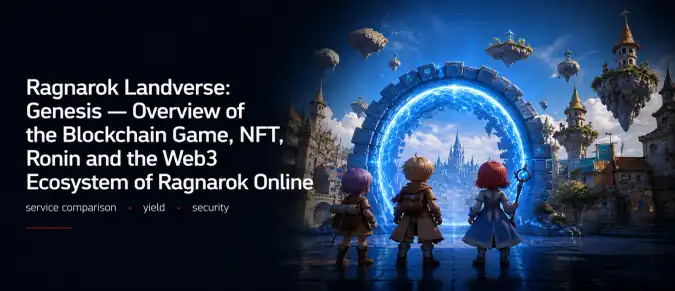

Ragnarok Landverse: Genesis is a Web3 version of the classic MMORPG Ragnarok Online, combining familiar gameplay systems with digital assets and the Ronin blockchain. The project was developed by Maxion in collaboration with Gravity and retains the core elements of the original game, including character progression, job classes, world exploration, monster battles, and guild wars. Blockchain features add NFT items, land assets, a marketplace, and an on-chain economy, but they are not required to access the basic game content. Ragnarok Landverse: Genesis officially launched on March 29, 2025.
Contents
- What Is Ragnarok Landverse: Genesis and How Does the Game Work?
- Gameplay, Classes, and Character Progression
- Ronin, NFTs, and the Ragnarok Landverse: Genesis Economy
- Key Features of the Blockchain Game
- The Future Development of Ragnarok Landverse: Genesis
1. What Is Ragnarok Landverse: Genesis and How Does the Game Work?
Ragnarok Landverse: Genesis is a separate version of Ragnarok Online adapted for modern Web3 infrastructure. The project is based on Gravity's official intellectual property, while publishing rights belong to Maxion. The game preserves the visual style of the original MMORPG, including two-dimensional characters, isometric locations, and the recognizable world of Midgard.
Genesis launched as a new game environment separate from the earlier Ragnarok Landverse servers. At release, it used Episode 4.0 content with second job classes, classic cities, monsters, quests, and an equipment system. Players begin by creating a character, completing quests, gaining levels, and selecting a profession with its own skills and role in group activities.
The main gameplay loop revolves around defeating monsters, collecting resources, improving equipment, and developing character attributes. Trading, guilds, competitive modes, and an automated system are also available, allowing characters to continue fighting and collecting items with limited user input.
Blockchain interaction is handled through a separate layer. Users can play it as a traditional MMORPG without purchasing NFTs or connecting a cryptocurrency wallet. A Ronin Wallet is required for trading tokenized items, managing land assets, and accessing other Web3 features.
2. Gameplay, Classes, and Character Progression
The job system remains one of the central elements of Ragnarok Landverse: Genesis. Players can develop characters in different directions by choosing specializations focused on melee combat, magic, support, ranged attacks, trading, or stealth. Class selection determines the available skills, equipment requirements, and the character's role in group activities.
Progression is based on earning both base and job experience. In addition to leveling up, users improve weapons and armor, collect monster cards, craft items, and create different attribute combinations. The player-driven economy is built around resources, consumables, rare equipment, and items dropped by monsters.
War of Emperium is an important part of the game and allows guilds to compete for control of castles. Participants form groups with different combat roles, coordinate attacks, and defend strategic objectives. Castle ownership may provide guilds with additional in-game benefits and access to related activities.
The automated mode allows characters to fight, collect loot, and progress without constant manual control. This system reduces the need for long active sessions, although progression efficiency still depends on equipment, location selection, available resources, and character settings.
3. Ronin, NFTs, and the Ragnarok Landverse: Genesis Economy
Ragnarok Landverse: Genesis operates within the Ronin ecosystem, a blockchain designed for gaming applications. The network is used to record digital assets, process marketplace transactions, and support NFT interactions. Ronin allows game-related transactions to be processed with lower fees than the Ethereum mainnet while providing access to the Ronin Wallet infrastructure.
The project's on-chain economy is connected to MAX Points, the ION token, NFT items, and land assets. MAX Points are used within the game's economic system, while ION is applied to selected blockchain operations and settlement mechanisms. The specific conditions for earning and using these assets may change as the game is updated.
| Component | Purpose |
|---|---|
| Ronin | Blockchain for game assets and transactions |
| MAX Points | Element of the game's internal on-chain economy |
| ION | Token used for selected payments and Web3 mechanisms |
| NFT Items | Tokenized equipment and digital collectibles |
| Genesis Land | Land NFTs with gameplay benefits and bonuses |
| Marketplace | Platform for buying and selling digital assets |
The Genesis Land collection includes a limited number of land NFTs divided into different tiers. These assets may provide owners with gameplay bonuses, additional opportunities, and access to selected mechanics. The way each land asset can be used depends on its category and the current version of the game economy.
Owning an NFT does not guarantee income or an increase in value. The market price of game assets depends on demand, player activity, item rarity, and the broader cryptocurrency market. Other risks include transaction fees, wallet management errors, balance changes, and reduced liquidity for individual collections.
4. Key Features of Ragnarok Landverse: Genesis
The project combines a traditional MMORPG model with additional digital ownership tools. Web3 features are integrated in a way that allows basic character progression, quest completion, and combat participation without requiring users to purchase tokens.
The ecosystem continues to evolve, so gameplay mechanics, trading rules, and digital asset parameters may be adjusted over time. Key features of Ragnarok Landverse: Genesis include:
- the official Ragnarok Online universe;
- a classic job and character progression system;
- Midgard exploration, quests, and monster battles;
- automated combat and resource collection;
- guilds and the War of Emperium mode;
- Ronin blockchain infrastructure;
- NFT items and Genesis Land assets;
- centralized in-game and blockchain marketplaces;
- integration with Ronin Wallet;
- the ability to play without mandatory NFT use;
- rankings, Battle Passes, and seasonal events;
- an on-chain economy using MAX Points and the ION token.
Tokenization allows selected game items to be moved from the internal database to the blockchain and traded through supported marketplaces. However, not every object in the game is an NFT, and a significant portion of resources and equipment continues to exist only on the game servers.
For users, this creates a distinction between regular game progression and blockchain assets. The model lowers the entry barrier for Ragnarok Online fans, but it also requires players to understand the rules for withdrawing, transferring, and trading specific items.
5. The Future Development of Ragnarok Landverse: Genesis
The project's prospects are closely connected to the longevity of the Ragnarok Online brand and the activity of its existing community. Familiar systems for classes, guilds, and trading make it easier to attract players who already know the franchise, while Ronin provides established infrastructure for wallets, NFTs, and marketplaces.
Expanding the game's content remains an important development priority. This includes adding jobs, new locations, PvP modes, quests, items, and seasonal events. The frequency and quality of these updates will influence whether the project can retain users after the initial interest in its launch and digital assets fades.
The main risks are related to the balance between the traditional MMORPG experience and economic mechanics. Excessive influence from paid or tokenized assets could damage competitive balance, while limited NFT utility could reduce interest in the on-chain economy. The project is also exposed to digital asset regulation, smart contract security risks, and broader conditions in the Web3 gaming market.
Overall, Ragnarok Landverse: Genesis is an official blockchain adaptation of Ragnarok Online in which classic gameplay is supplemented by digital ownership and Ronin infrastructure. The project preserves familiar MMORPG mechanics and makes Web3 features optional, but its long-term performance will depend on update quality, economic sustainability, and the developers' ability to maintain a fair balance between gameplay and financial elements.











