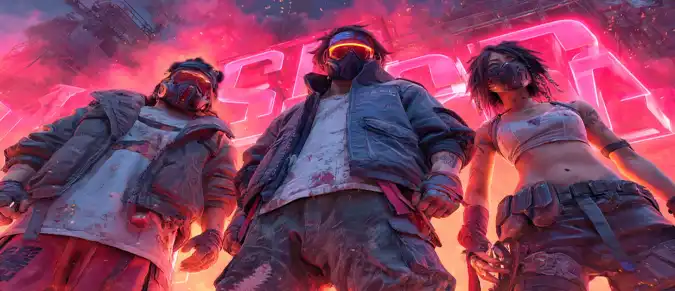

Wildcard Combat is a multiplayer Web3 game that combines elements of MOBA titles, collectible card mechanics, and competitive arena gameplay. The developers focus not only on blockchain technology but also on creating a fully competitive gaming experience. At the center of the project are 2v2 team battles, champion heroes, creature decks, and a digital asset economy. The game is designed as a next-generation multiplayer experience where strategy, reaction speed, and teamwork play a major role. Web3 tools are integrated to expand community interaction, digital ownership, and in-game value distribution.
Contents
- Wildcard Combat Concept and Project Features
- Gameplay and Combat Mechanics
- Core Features of Wildcard Combat
- Tokens and Digital Economy
- Future Potential and Final Thoughts
1. Wildcard Combat Concept and Project Features
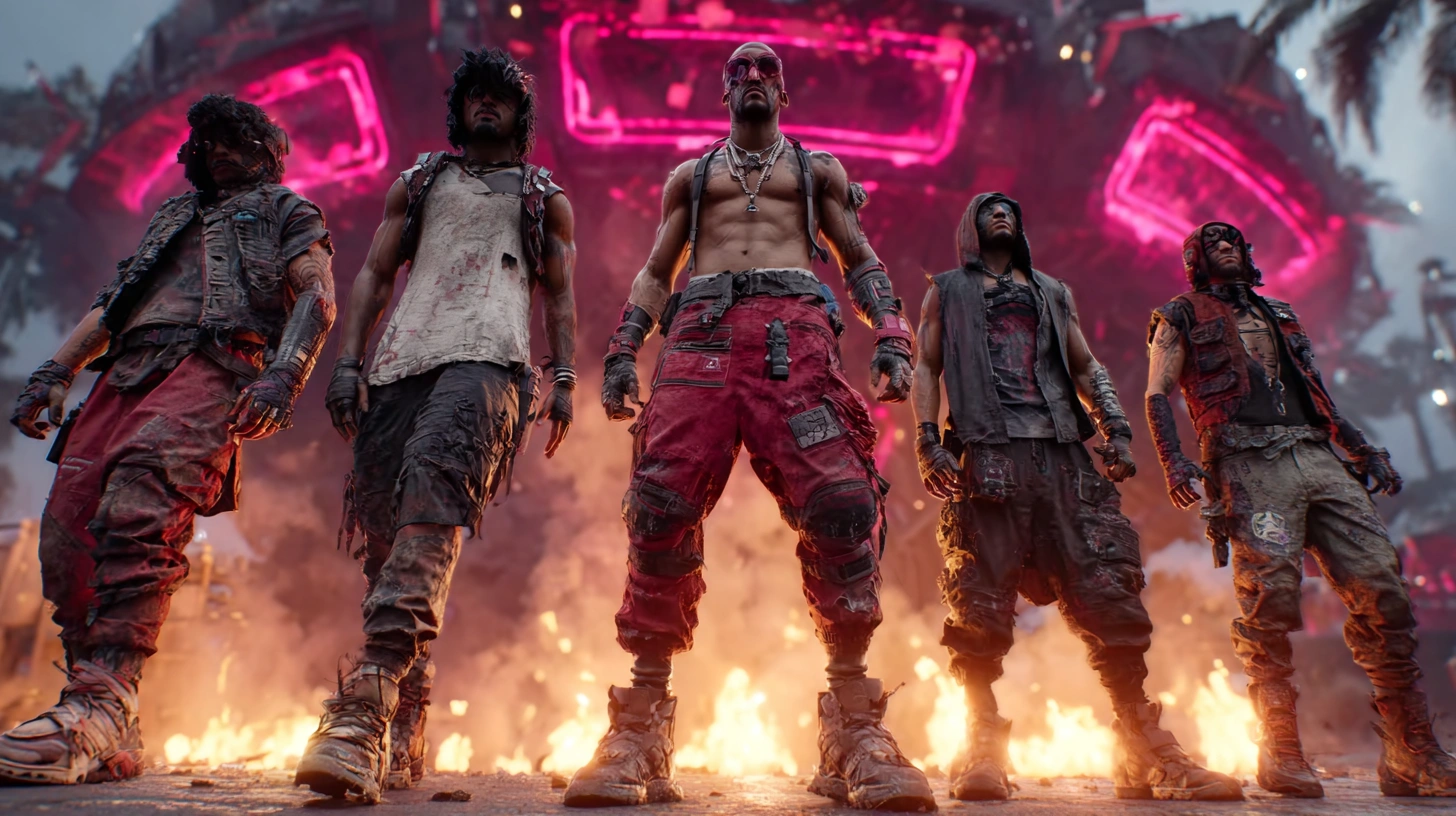
Wildcard Combat is being developed as a competitive Web3 game focused on PvP battles and fast-paced gameplay. The project is created by Playful Studios together with The Wildcard Alliance. Unlike many blockchain games that mainly focus on token rewards, Wildcard Combat places greater emphasis on match mechanics and team-based action.
The developers combine several gaming genres into one ecosystem. From MOBA games, Wildcard Combat takes dynamic arena battles and the importance of teamwork. From collectible card games, it borrows deck-building and creature summoning mechanics. From esports titles, it adopts spectator-friendly gameplay and a focus on streaming audiences. Because of this mix, the game feels less like a traditional NFT project and more like a complete multiplayer experience.
The project also pays close attention to content creators and viewers. The community is treated as part of the gameplay ecosystem, which is why tools for streamers, fans, and event organizers are integrated into the platform. This approach helps the game attract audiences beyond standard blockchain gaming communities.
2. Gameplay and Combat Mechanics
Wildcard Combat gameplay revolves around dynamic 2v2 team matches. Players select champions and control them in real time while moving around the arena, using abilities, and coordinating with teammates during combat. Victory depends not only on defeating opponents but also on controlling space and managing resources effectively.
One of the game’s key mechanics is its creature deck system. Before each match, teams build a set of cards that determines their tactical approach. During battles, players can summon different creatures onto the arena. Some units strengthen offensive pressure, while others defend positions or restrict enemy movement.
This system makes every match less predictable. Winning requires quick reactions as well as the ability to adapt to changing situations. Poor timing, wasted cards, or loss of map control can rapidly shift momentum toward the opposing team.
Team coordination plays an important role throughout the game. Players need to combine champion abilities, manage resources together, and create effective strategies during combat. With many possible deck and champion combinations, matches remain varied and encourage experimentation.
The developers also emphasize visual intensity and esports appeal. Fast combat, constant movement, and colorful arena design make Wildcard Combat entertaining not only to play but also to watch on streaming platforms.
3. Core Features of Wildcard Combat
Wildcard Combat stands out among Web3 games by combining several gameplay systems into one experience. The project goes beyond simple blockchain mechanics or NFT collecting by focusing heavily on competitive multiplayer gameplay.
The game mixes PvP arena combat, card strategy elements, and digital ownership systems. This combination creates a more tactical experience where players must rely on teamwork, strategy, and fast decision-making. The developers also focus on making matches visually engaging for streaming audiences and esports viewers.
- 2v2 team-based PvP battles.
- A mix of arena combat and card strategy mechanics.
- Champions with unique playstyles and abilities.
- Creature decks that influence match tactics.
- Integration of NFT and Web3 systems.
- Strong focus on streaming and esports.
- Digital ownership of in-game assets.
- Community development through the Thousands platform.
The ability to combine different playstyles is another important feature. One player may focus on aggressive attacks, while another controls the map and supports teammates. This creates room for experimentation and team strategy development.
The developers are also planning long-term expansion. Future updates are expected to introduce new champions, arenas, creatures, and competitive modes to support the game’s growth and esports ambitions.
4. Tokens and Digital Economy
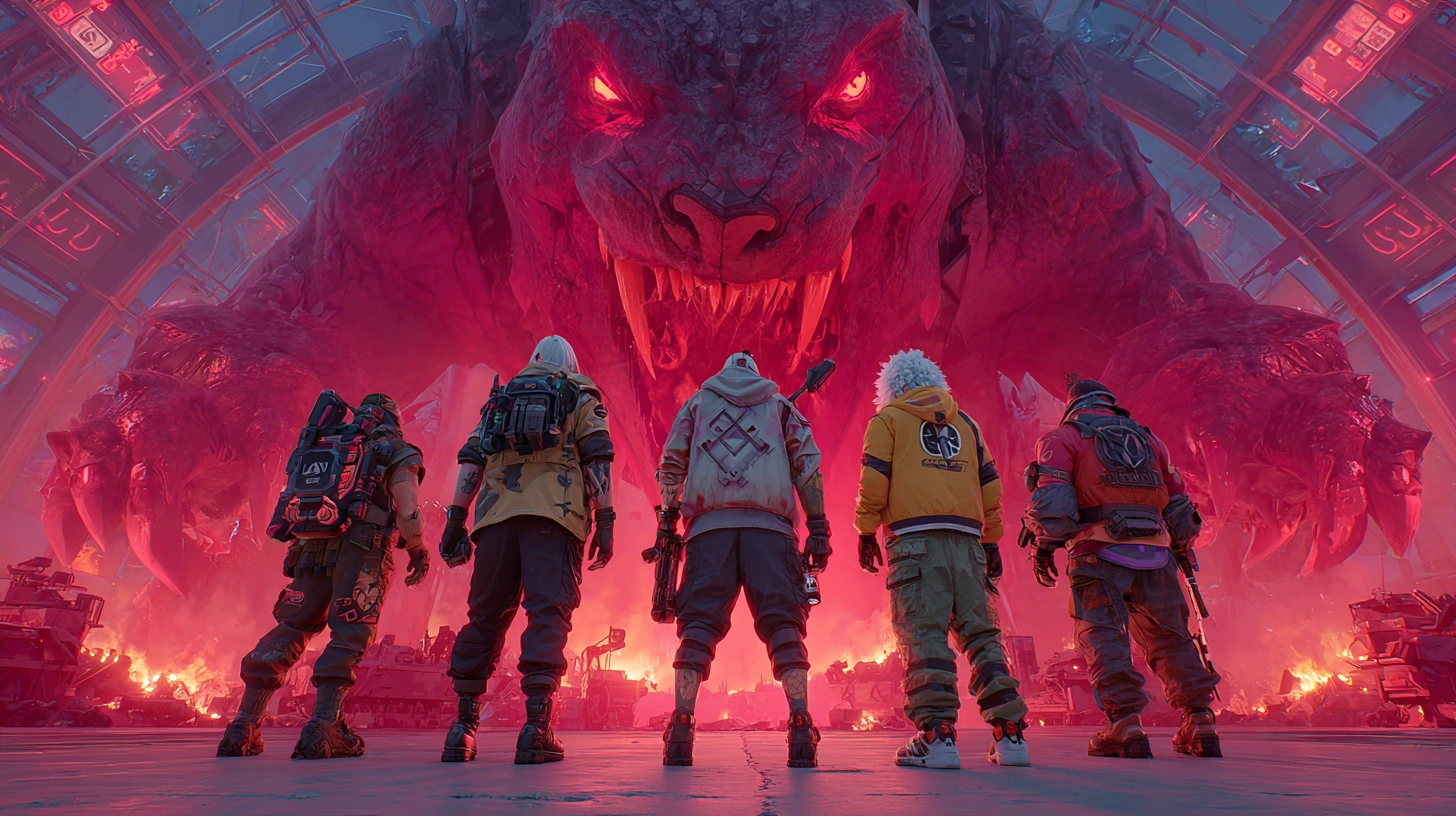
The Wildcard Combat economy is built around the WC token and related digital assets. The developers view Web3 as an additional interaction layer rather than a replacement for gameplay itself. Players can own digital items, participate in special events, and interact with the community through blockchain-based systems.
The project includes NFT assets such as Wildpass and collectible Flair items. These are connected to early access opportunities, ecosystem participation, and community activities. Some of these assets also influence rewards and access to specific events.
| Asset | Type | Main Purpose | Features |
|---|---|---|---|
| WC | Token | Project economy and ecosystem activity | Used throughout the Wildcard Combat ecosystem |
| Airlocked WC | Locked Token | Delayed reward distribution | Cannot be used immediately after receiving |
| Wildpass | NFT | Access to early activities and events | Considered one of the main early supporter assets |
| Flair | Collectible NFT | Cosmetic and status functions | Represents player participation in the project |
| Thousands Rewards | Ecosystem Rewards | Support for community members and creators | Connected to streaming and audience engagement |
The developers aim to prevent the economy from dominating gameplay. Because of this, Wildcard Combat is positioned as a PvP game with Web3 elements rather than a simple token farming platform.
The project also focuses on long-term community engagement. Many digital assets are connected not only to gameplay but also to events, streaming activities, and ecosystem participation. This approach helps create a stronger relationship between players, viewers, and content creators.
5. Future Potential and Final Thoughts
Wildcard Combat occupies an unusual position within the Web3 gaming market by combining competitive PvP gameplay, card strategy elements, and a digital economy. Unlike many blockchain projects, the game focuses heavily on dynamic team-based combat instead of relying only on token systems.
One of the project’s strongest aspects is its focus on streaming audiences. The developers aim to make matches entertaining for both players and viewers, which is important for building a long-term community and supporting esports growth.
At the same time, the game is still in active development. Balance updates, content expansion, and economic adjustments are ongoing, and the project’s future success will depend not only on Web3 mechanics but also on the quality of the gameplay itself.
Wildcard Combat represents an attempt to build a full multiplayer ecosystem where PvP battles, teamwork, and NFT mechanics work together. If the developers manage to maintain balance between competitive gameplay and digital economics, the project could become a notable title within the next generation of Web3 games.











