

Wildcard Season 1 is the first major competitive season of the Web3 gaming project Wildcard, combining fast-paced action gameplay, digital collectibles, and modern esports mechanics. Developed by Playful Studios, the game introduces a new form of spectator-friendly PvP entertainment where blockchain technology is used to enable ownership of in-game assets and participation in the broader ecosystem. Unlike many early blockchain games, Wildcard focuses on competitive gameplay, dynamic matches, and community building rather than token-based earnings. Season 1 marked an important milestone for the project, showcasing its core mechanics, economic structure, and vision for the next generation of Web3 gaming.
Contents
- What Is Wildcard and How the Project Was Created
- Gameplay and Season 1 Features
- Key Features of Wildcard
- Tokens and Digital Assets in the Ecosystem
- Future Development and Conclusion
1. What Is Wildcard and How the Project Was Created
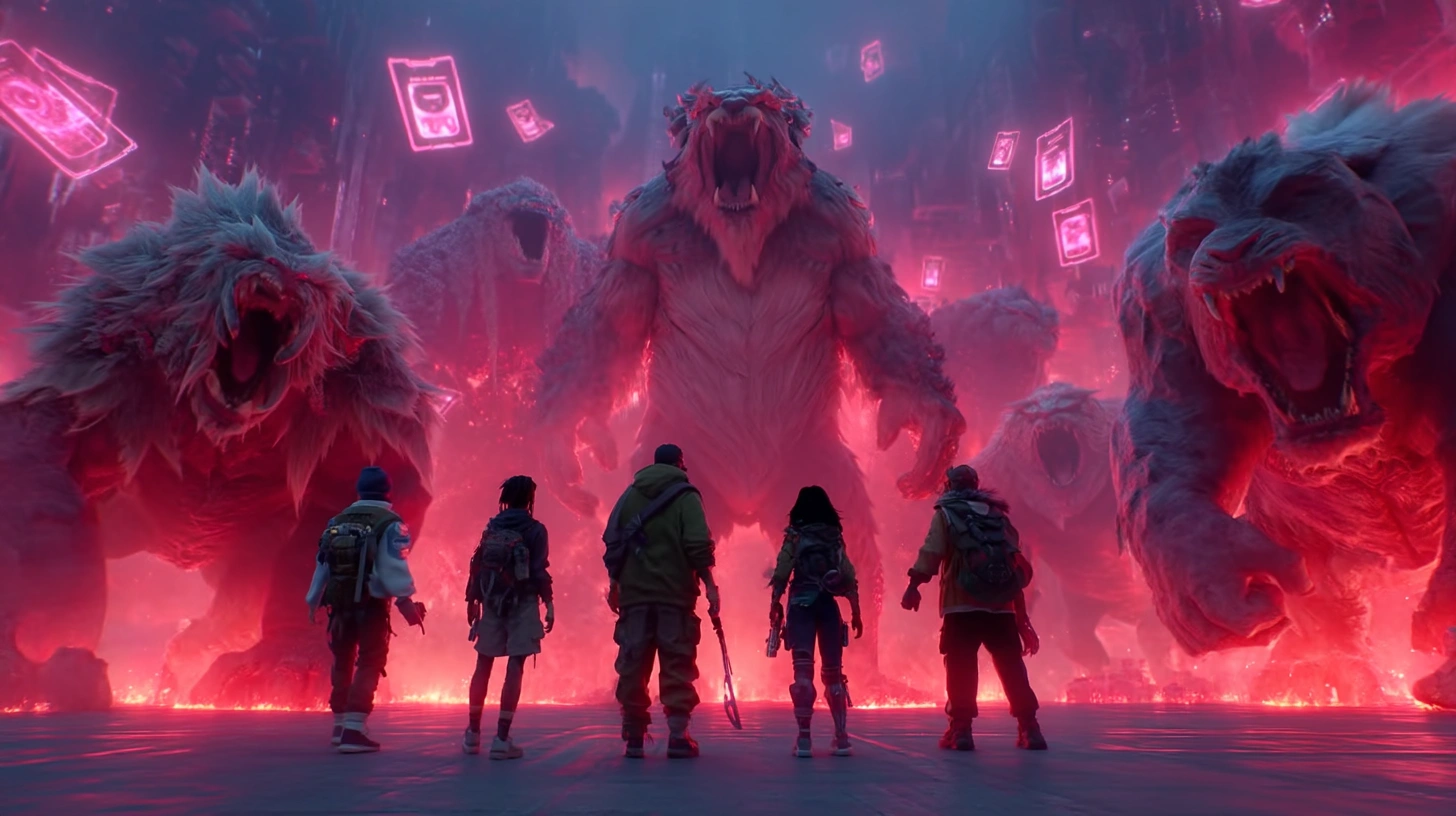
Wildcard is a multiplayer competitive game that combines elements of MOBA titles, collectible card games, and team-based action gameplay. The project is being developed by Playful Studios, a company founded by industry veterans who previously worked on major AAA productions. The team aims to demonstrate that Web3 games can compete with traditional esports titles in terms of gameplay quality, production value, and entertainment potential.
The concept behind Wildcard emerged alongside the growing interest in digital ownership within gaming. Rather than building an economy around speculative NFTs, the developers chose to focus on creating a fully featured competitive experience where blockchain technology serves as a supporting layer. Ownership of in-game items, collectibles, and ecosystem assets is enabled through Web3 infrastructure, while the primary emphasis remains on gameplay itself.
The project gained significant attention through support from prominent investors and figures within the crypto industry. Wildcard is often viewed as one of the most ambitious gaming initiatives in the Web3 sector due to its high production standards and focus on mainstream audiences. Season 1 provided the first opportunity for both players and spectators to experience the project's vision in action. To better understand Wildcard, it is important to examine the gameplay mechanics that form the foundation of the ecosystem.
2. Gameplay and Season 1 Features
At its core, Wildcard revolves around team-based competition between two opposing sides. Each participant controls a hero while simultaneously deploying creatures onto the battlefield through a deck-building system. This combination creates a more layered experience than traditional MOBA games, as success depends not only on character control but also on strategic card management.
Matches focus on controlling key areas of the arena and destroying critical enemy objectives. Players must make rapid decisions, combine hero abilities effectively, and maximize the value of their available resources. Because of its fast-paced nature, the game is designed to appeal both to active competitors and to spectators, an important factor in its esports ambitions.
Season 1 introduced the core gameplay systems and progression structure. Players gained access to a limited selection of heroes, units, and collectible elements. This approach allowed the development team to test balance, gather community feedback, and establish a framework for future content expansions.
A major component of the ecosystem is the Wildcard Alliance, a community-driven initiative that connects players, content creators, and fans. Through this concept, the developers aim to build not only a game but also a media and entertainment platform centered around competitive gaming and digital ownership.
3. Key Features of Wildcard
Wildcard differs from many blockchain games because it positions itself first and foremost as a premium gaming experience. Economic systems and digital assets are integrated into the ecosystem, but they do not overshadow the gameplay itself. This strategy allows the project to attract both crypto enthusiasts and traditional gamers.
The developers also place significant emphasis on spectator engagement and community interaction. The game is designed with streaming content, tournaments, and audience participation in mind, making it closer to modern esports titles than traditional blockchain-based projects. By combining competitive gameplay, digital ownership, and social interaction, Wildcard introduces a distinctive model for next-generation Web3 gaming.
Main features of the project include:
- fast-paced PvP battles combining MOBA and card-strategy mechanics;
- hero control alongside creature deployment through deck-building systems;
- a strong focus on esports and spectator-friendly gameplay;
- digital ownership powered by Web3 infrastructure;
- the development of the Wildcard Alliance community;
- collectible in-game assets and cosmetics;
- support for streamers and content creators;
- regular seasonal updates and content expansions;
- a gameplay-first approach instead of a Play-to-Earn model.
Together, these features make Wildcard one of the most distinctive projects in the Web3 gaming sector. Rather than creating a financial platform with game elements, the developers are building a competitive entertainment product where blockchain technology enhances the overall user experience. To better understand the ecosystem, it is important to examine the digital assets used within the game.
4. Tokens and Digital Assets in the Game Ecosystem
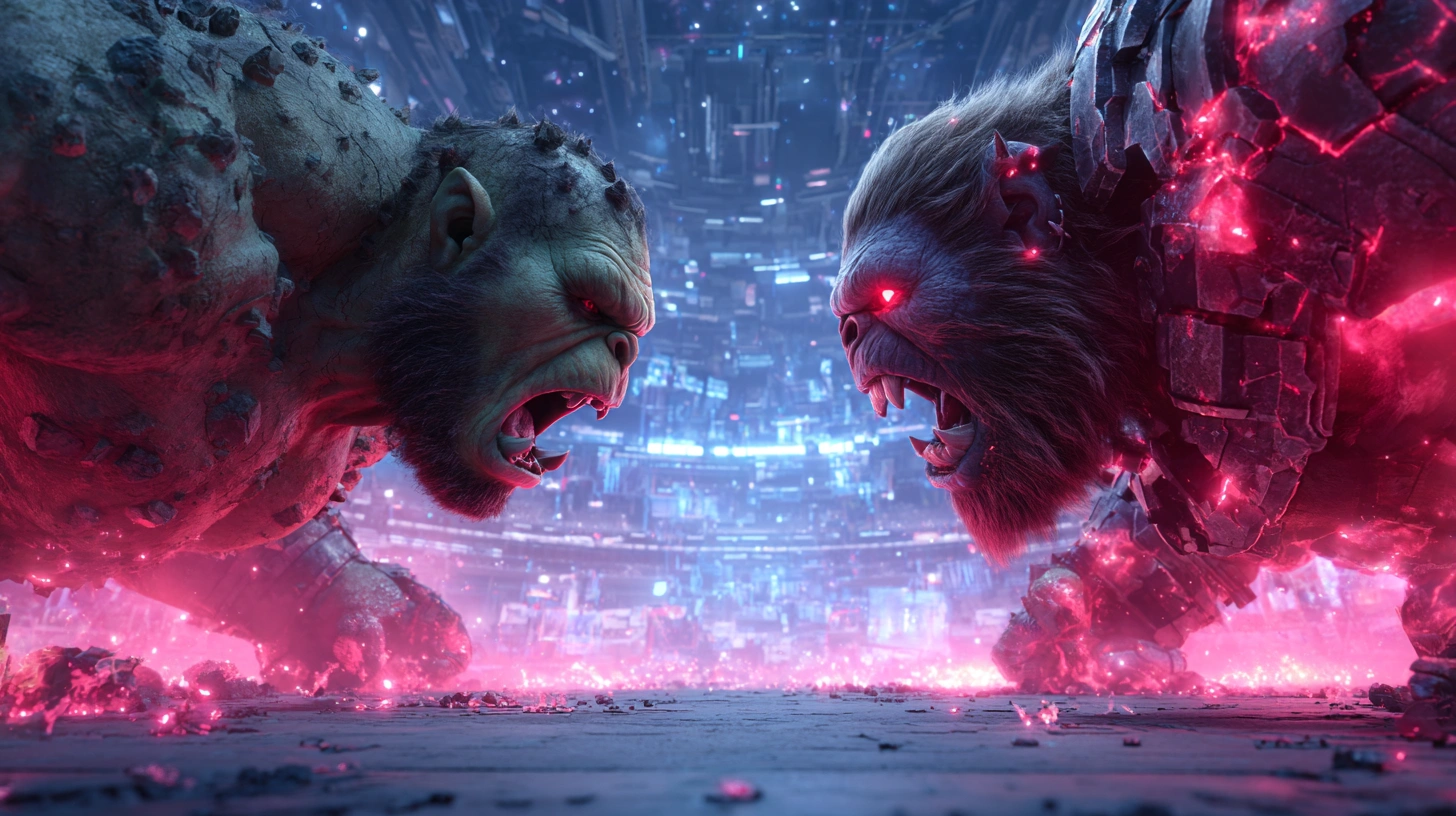
The Wildcard ecosystem includes several categories of digital assets. Some are directly connected to gameplay, while others serve collectible purposes or facilitate interactions between members of the community. At the same time, the developers aim to avoid excessive dependence on speculative market activity.
A key aspect of the project is that digital assets are viewed not only as collectibles but also as part of a player's identity within the ecosystem. These assets help strengthen connections between players, creators, and community members while expanding opportunities for engagement. As Wildcard evolves through new seasons and events, the importance of these assets may continue to grow.
Below is a table outlining the main digital elements associated with Wildcard Season 1.
| Asset | Purpose | Role in the Ecosystem |
|---|---|---|
| Wildcard NFT | Collectible digital assets | Confirm participation in the ecosystem and unlock additional opportunities |
| Heroes | Main playable characters | Used in competitive matches |
| Units | Combat cards and creatures | Shape player strategy on the battlefield |
| Collectible Items | Cosmetic and rare assets | Increase account uniqueness and collection value |
| Alliance Assets | Community-related assets | Connect players, viewers, and content creators |
The Wildcard economy is built around ownership of digital assets, yet the developers emphasize that the success of the project should be determined by gameplay quality rather than asset prices. This philosophy distinguishes Wildcard from many earlier Web3 games, where economic incentives often overshadowed the gaming experience itself.
The asset structure may continue to expand with future seasons, additional heroes, and the growth of the project's esports ecosystem.
5. Future Development and Conclusion
Wildcard reflects a new direction in Web3 gaming, where blockchain becomes part of the infrastructure rather than the central focus of the product. Instead of relying on complex financial mechanisms, the game delivers a competitive experience aimed at mainstream audiences and esports enthusiasts.
Future growth will depend on several factors, including the quality of upcoming seasons, the ability to maintain balance between gameplay and digital ownership, and continued interest from players, viewers, and creators. If the development team can maintain its current standards, Wildcard has the potential to become a significant player in the competitive gaming market.
One of the project's greatest strengths is its focus on entertainment. Unlike many previous Web3 games, Wildcard does not build its model solely around tokens or earning opportunities. This makes the game more accessible to traditional gamers while reducing dependence on short-term crypto market cycles.
Wildcard Season 1 marked an important stage in the development of the ecosystem and demonstrated the project's potential as both a gaming and media platform. By combining dynamic PvP gameplay, digital ownership, and modern social mechanics, Wildcard stands out as one of the most promising examples of next-generation Web3 gaming. Its future success will depend on content quality, community growth, and the team's ability to transform Wildcard into a full-scale esports ecosystem.











