
ZeroSum is a blockchain game that combines elements of classic tabletop strategy with Web3 and NFT technologies. The project focuses on competitive gameplay, where success depends primarily on players' decisions rather than chance. Blockchain technology enables verifiable ownership of digital in-game assets while supporting an open economy for virtual items. As a result, ZeroSum serves not only as an entertainment project but also as an example of how decentralized technologies can be integrated into the gaming industry.
- What Is ZeroSum and How Does the Game Work?
- Gameplay Features of ZeroSum
- How Blockchain and NFTs Are Used in ZeroSum
- Key Features and Advantages of the Project
- ZeroSum Ecosystem and Future Development
1. What Is ZeroSum and How Does the Game Work?
ZeroSum is a multiplayer Web3 game inspired by classic tabletop strategy games. The project is built around competitive gameplay, where the outcome depends on players' skills, strategic thinking, and decision-making rather than random chance.
Blockchain technology is used not only to store digital assets but also to verify ownership of in-game items. NFTs can represent cosmetic assets, board customization elements, and other digital collectibles that exist independently of the game servers and can be transferred between players.
The project also emphasizes community development. In addition to standard matches, the ecosystem supports competitive tournaments, player interaction, and the growth of digital ownership, reflecting the modern approach to building Web3 games.
One of ZeroSum's defining features is its combination of traditional tabletop strategy with blockchain technology. Instead of creating a complex metaverse, the developers focused on an accessible gameplay model where Web3 technologies enhance the player experience without replacing the core mechanics.
2. Gameplay Features of ZeroSum
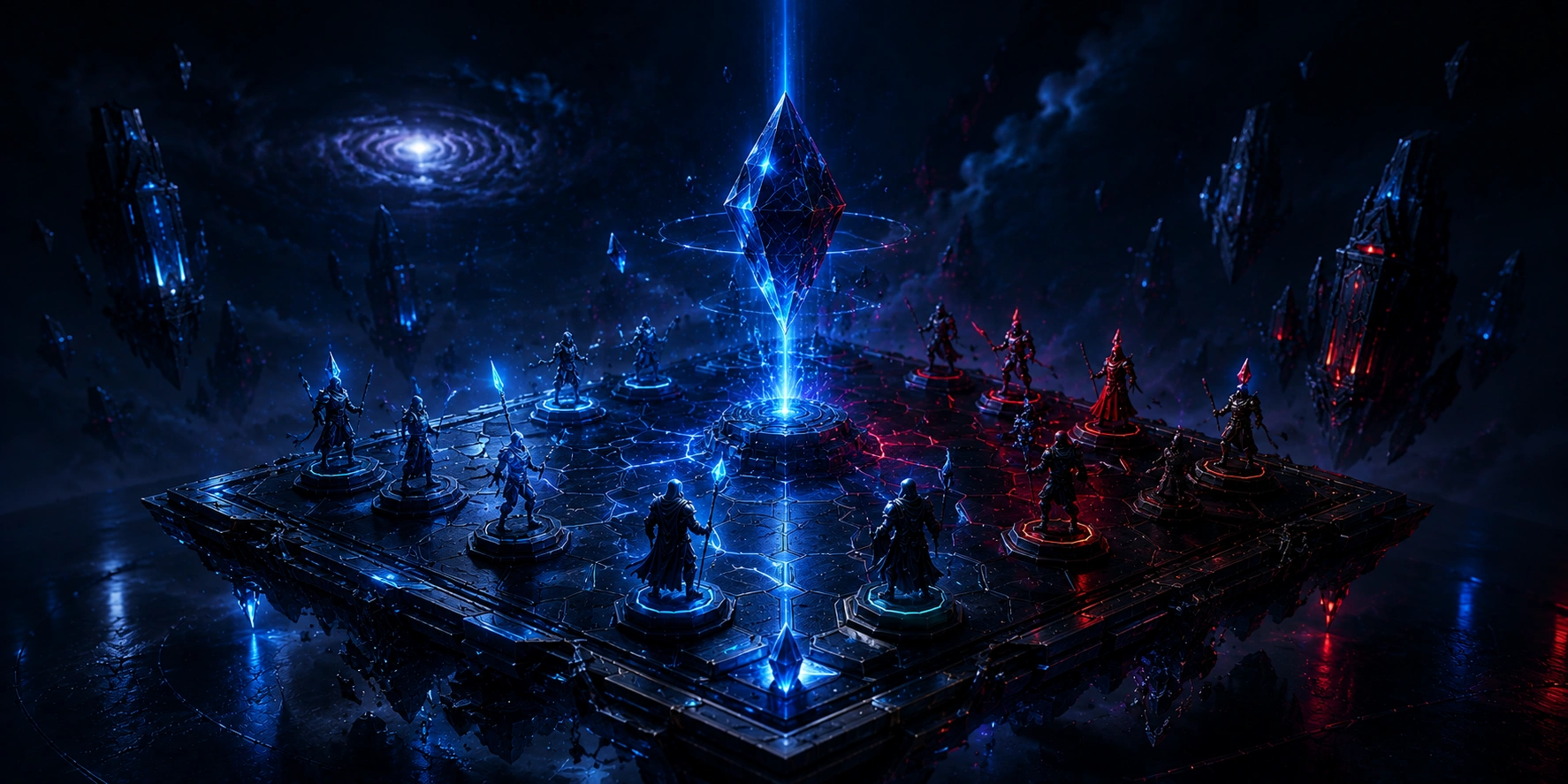
ZeroSum's gameplay revolves around strategic competition between players who make decisions according to established tabletop game rules. Victory depends on analyzing situations, anticipating opponents' actions, and selecting the most effective strategy. This design makes ZeroSum closer to traditional strategy board games than to blockchain games that rely heavily on random mechanics.
A key aspect of the project is its focus on competitive gameplay. The developers emphasize mechanics in which player skill has a greater impact on the outcome than random events. This approach reflects the current evolution of Web3 gaming, where engaging gameplay is becoming more important than the early Play-to-Earn model.
ZeroSum supports tournaments and various competitive events, allowing players to participate in organized matches while strengthening the community. Blockchain technology provides transparent ownership of digital assets, while match outcomes continue to be determined by gameplay mechanics rather than the distributed ledger itself.
The project is designed for both PC and mobile users, expanding its potential audience. A unified Web3 infrastructure allows players to access their digital assets regardless of the platform on which they play.
3. How Blockchain and NFTs Are Used in ZeroSum
Unlike traditional online games, where all in-game assets are controlled exclusively by the developer, ZeroSum uses Web3 infrastructure to verify ownership of digital assets. Blockchain records NFT ownership, allowing in-game items to exist independently of a specific game server and to be transferred between players within the supported ecosystem.
In ZeroSum, NFTs are not required to understand or enjoy the gameplay. Their primary purpose is to provide verifiable ownership of specific in-game assets. This approach reflects the current evolution of Web3 gaming, where blockchain serves as a supporting technology rather than replacing the gameplay itself.
- using NFTs to verify ownership of individual in-game assets;
- allowing digital assets to be transferred between players;
- transparent recording of transactions on the blockchain;
- supporting community growth and competitive events;
- integrating Web3 technology without changing the core gameplay.
The developers focus on building an open digital asset economy. NFT holders can manage and transfer their in-game assets, while blockchain technology provides transparent records of ownership and transaction history. At the same time, match outcomes continue to be determined by gameplay mechanics rather than the distributed ledger.
This approach aligns with the concept of Web3 Gaming, where digital assets enhance the gaming experience instead of replacing it. As a result, ZeroSum combines traditional strategic gameplay with the advantages of blockchain technology, providing transparent management of virtual ownership.
4. Key Features and Advantages of the Project
ZeroSum differs from many early blockchain games by focusing primarily on competitive gameplay rather than solely on its economic model. The project is built around strategic tabletop mechanics, while Web3 technologies expand digital asset ownership and strengthen interaction within the ecosystem.
This approach reflects the broader transformation of the blockchain gaming industry. Modern projects are gradually moving away from models driven mainly by financial incentives and instead emphasize engaging gameplay, sustainable game economies, and long-term community development.
| Parameter | ZeroSum | Traditional Online Games |
|---|---|---|
| Ownership of in-game assets | Verified through NFTs | Controlled by the developer |
| Asset transfers | Supported through Web3 infrastructure | Usually restricted by game rules |
| Gameplay model | Competitive tabletop strategy | Depends on the game genre |
| Blockchain integration | Digital asset storage and ownership verification | Generally not available |
| Community development | Tournaments, player interaction, and community participation | Defined by the publisher's policies |
Comparing ZeroSum with traditional online games highlights the differences between centralized ownership models and Web3-based digital asset management.
Despite integrating blockchain technology, ZeroSum maintains a straightforward architecture. Gameplay remains the core of the project, while blockchain serves as a supporting layer for digital ownership and transaction transparency. This balance reflects one of the key trends in modern blockchain gaming, where decentralized technologies complement rather than replace the gaming experience.
5. ZeroSum Ecosystem and Future Development
ZeroSum is evolving as a new-generation blockchain game that combines strategic gameplay with Web3 technologies. Blockchain is used to manage digital assets and verify ownership without complicating the core game mechanics. This approach is becoming increasingly common among modern GameFi projects.
The ecosystem places strong emphasis on competitive gameplay, community interaction, and digital ownership. NFTs allow players to own and manage selected in-game assets, while blockchain technology provides transparent records of ownership. At the same time, match outcomes continue to depend on player skill and game mechanics rather than the distributed ledger itself.
Another advantage of the project is its support for multiple platforms, making the game accessible to a broader audience. This reflects the overall direction of Web3 gaming, where developers aim to lower the barrier to entry and integrate blockchain technology without compromising the user experience.
The future of ZeroSum will largely depend on the continued expansion of its game content, the growth of its community, and the effective integration of Web3 features. The project represents a modern vision of blockchain gaming, where NFTs and digital assets enhance player ownership while high-quality competitive gameplay remains at the center of the experience.











