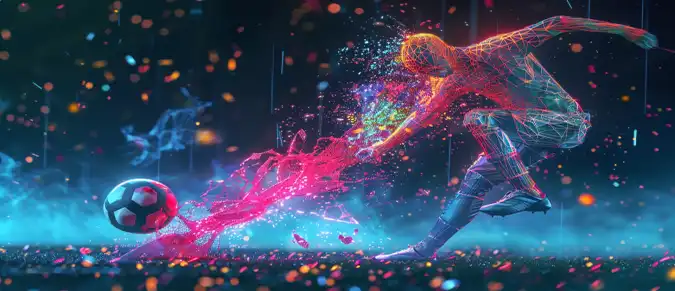

Captain Tsubasa Rivals is a Web3 game based on the famous Japanese franchise Captain Tsubasa, widely known for its культ anime and football manga series. The project combines sports gameplay, NFT systems, and Play-to-Earn mechanics, allowing players not only to collect iconic characters but also to participate in a digital economy. The developers focused on combining a recognizable anime universe, collectible cards, and blockchain technology, making the game appealing both to anime fans and Web3 audiences. In Captain Tsubasa Rivals, the main emphasis is placed on team development, character upgrades, and competitive gameplay, while NFTs and tokens become part of the overall in-game ecosystem.
Contents
- What Is Captain Tsubasa Rivals
- Gameplay and Team Progression
- Main Features of the Project
- Tokens and the NFT System
- The Future and Potential of Captain Tsubasa Rivals

1. What Is Captain Tsubasa Rivals
Captain Tsubasa Rivals is a Web3 game inspired by the legendary sports series Captain Tsubasa. The project brings famous anime characters into a blockchain ecosystem where players can collect NFT football cards, build teams, and participate in different game activities.
Unlike traditional mobile football games, Captain Tsubasa Rivals introduces digital ownership mechanics. Some in-game assets exist as NFTs, allowing players to own and manage them as digital property. This includes characters, upgrades, and special items that influence team progression.
The project is designed both for fans of the original anime and for Web3 gaming audiences. Captain Tsubasa fans are attracted by the recognizable characters, iconic visual style, and competitive football atmosphere, while blockchain users are interested in the token economy and NFT integration.
The developers also aim to make the game accessible to newcomers who may have no previous experience with cryptocurrencies or Web3 systems. Many blockchain mechanics are integrated directly into the interface, while the core focus remains on team building and competitive gameplay.
2. Gameplay and Team Progression
The foundation of Captain Tsubasa Rivals is character collection and building a personal football team. Players obtain cards of famous heroes, improve their attributes, and create lineups for matches and various game modes.
Each character has unique stats and abilities that affect team performance. Some footballers focus on attack, while others strengthen defense or help control the pace of the match. Because of this, players must carefully think about strategy instead of simply collecting the rarest characters.
The progression system includes leveling up players, enhancing stats, and using special items. NFT characters may also have greater value within the ecosystem, creating a direct connection between gameplay progression and digital assets.
PvP modes and competitive events remain an important part of the project. Players can participate in tournaments, ranked matches, and limited-time events, helping maintain community interest and active competition.
At the same time, the developers aim to balance gameplay and economic mechanics. Captain Tsubasa Rivals is positioned not only as an NFT project but also as a football game with strategy and collection elements.
3. Main Features of the Project
Captain Tsubasa Rivals combines sports gameplay, collectible systems, and Web3 technologies. The game focuses on the recognizable Captain Tsubasa universe while preserving the atmosphere of the original anime and integrating modern blockchain tools. This helps the project stand out from many NFT games focused only on economics.
- Captain Tsubasa Universe. The game features characters and visuals from the iconic sports anime.
- NFT Characters. Some football players exist as digital assets within the ecosystem.
- Collection System. Players gather cards, upgrade their lineup, and build custom teams.
- Competitive Modes. The project includes PvP matches, tournaments, and ranking events.
- Web3 Integration. Blockchain technology supports NFTs and the in-game economy.
- Team Development. Users can improve character stats and adjust strategies.
- Play-to-Earn Elements. Some activities are connected to earning tokens and rewards.
- Accessibility for New Users. Mechanics are simplified for players unfamiliar with crypto systems.
The combination of these features allows Captain Tsubasa Rivals to function not only as a Web3 platform but also as a complete sports game. The project focuses on long-term community development through regular updates, events, and economic expansion.
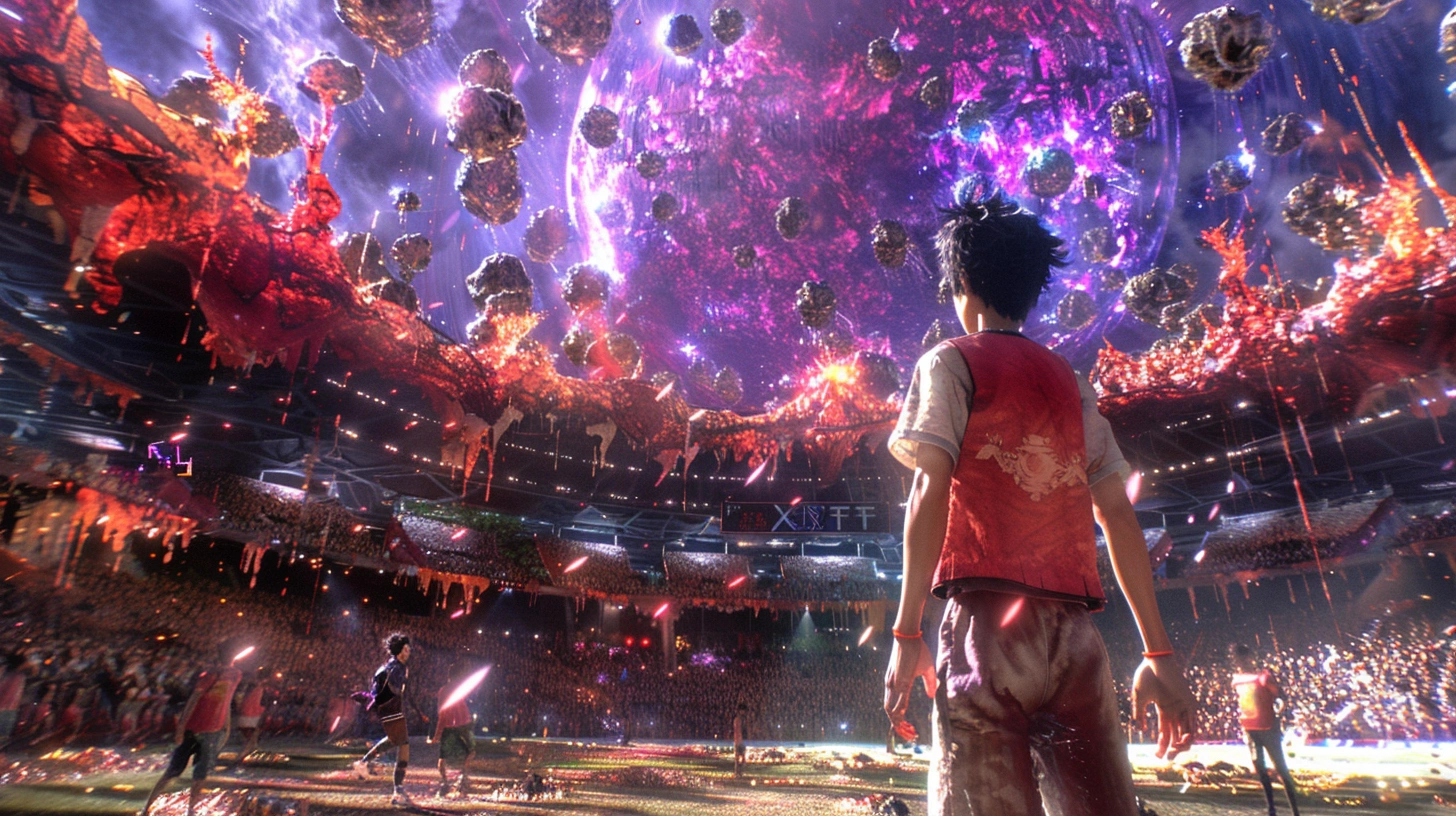
4. Tokens and the NFT System
The economy of Captain Tsubasa Rivals is built around NFT characters and in-game tokens. The developers use Web3 infrastructure to allow players to interact with digital assets inside the ecosystem.
Tokens are used for team development, player upgrades, participation in specific activities, and interaction with the in-game marketplace. NFT cards are an important part of progression and can vary in rarity and value.
| Element | Type | Main Purpose | Role in the Game |
|---|---|---|---|
| TSUGT | Governance Token | Used within the project ecosystem | Connects players with the Web3 economy |
| TSUBASAUT | Game Token | Used for in-game operations | Supports upgrades and progression |
| NFT Players | NFT Assets | Represent football characters | Used for team formation and progression |
| Items NFT | Collectible Items | Enhance characters | Improve attributes and strategy options |
Rare NFT characters generate the most interest among players. They may offer enhanced attributes, unique abilities, and higher value within the community. However, the price of these assets depends heavily on the popularity of the game and overall player activity.
The developers are trying to ensure that tokens and NFTs remain connected to gameplay rather than existing purely for speculation. Because of this, Captain Tsubasa Rivals aims to balance collection mechanics with competitive football gameplay.
5. The Future and Potential of Captain Tsubasa Rivals
Captain Tsubasa Rivals stands out among Web3 games благодаря the combination of a famous anime franchise, football gameplay, and blockchain technology. The project combines collection systems, team strategy, and digital economics, making it attractive both to Captain Tsubasa fans and NFT gaming audiences.
The main potential of the game is connected to community growth and competitive modes. The more active players become in tournaments, ranked matches, and NFT trading, the stronger the in-game economy can develop. The popularity of the Captain Tsubasa brand also remains a major advantage due to its global fan base.
At the same time, the project faces risks common to the Web3 sector. Interest in NFTs and tokens depends heavily on cryptocurrency market conditions and player activity. If the economy becomes too focused on speculation, it could negatively affect the perception of the game.
Despite these challenges, Captain Tsubasa Rivals demonstrates a successful attempt to combine sports gameplay and Web3 mechanics into one ecosystem. Thanks to its anime style, collection systems, and digital economy, the project remains one of the more unique examples among modern NFT games.











