
Champions Tactics: Grimoria Chronicles is a tactical PvP RPG from Ubisoft, released on October 23, 2024 as a separate experiment with Web3 gaming and digital ownership of characters. Players build teams of three Champions, use their abilities in turn-based battles, and can create new fighters through the Forge system. It is important to distinguish the project from Ubisoft’s collaboration with Immutable: Champions Tactics used the Oasys blockchain, while Immutable infrastructure was later used by Ubisoft in other initiatives, including Might & Magic: Fates. By 2026, Ubisoft had announced a gradual withdrawal of Champions Tactics from Web3 functionality, making the game a useful example of both the possibilities and limitations of blockchain integration in traditional gaming.
Contents
- What Is Champions Tactics and How Does the Gameplay Work?
- How NFTs, Oasys, Forge, and the Marketplace Worked
- Champions Tactics Compared With Other Web3 Games
- Champions, Warlords, and the Core Elements of the Game Economy
- Transition Away from Web3 and the Immutable Connection
1. What Is Champions Tactics and How Does the Gameplay Work?
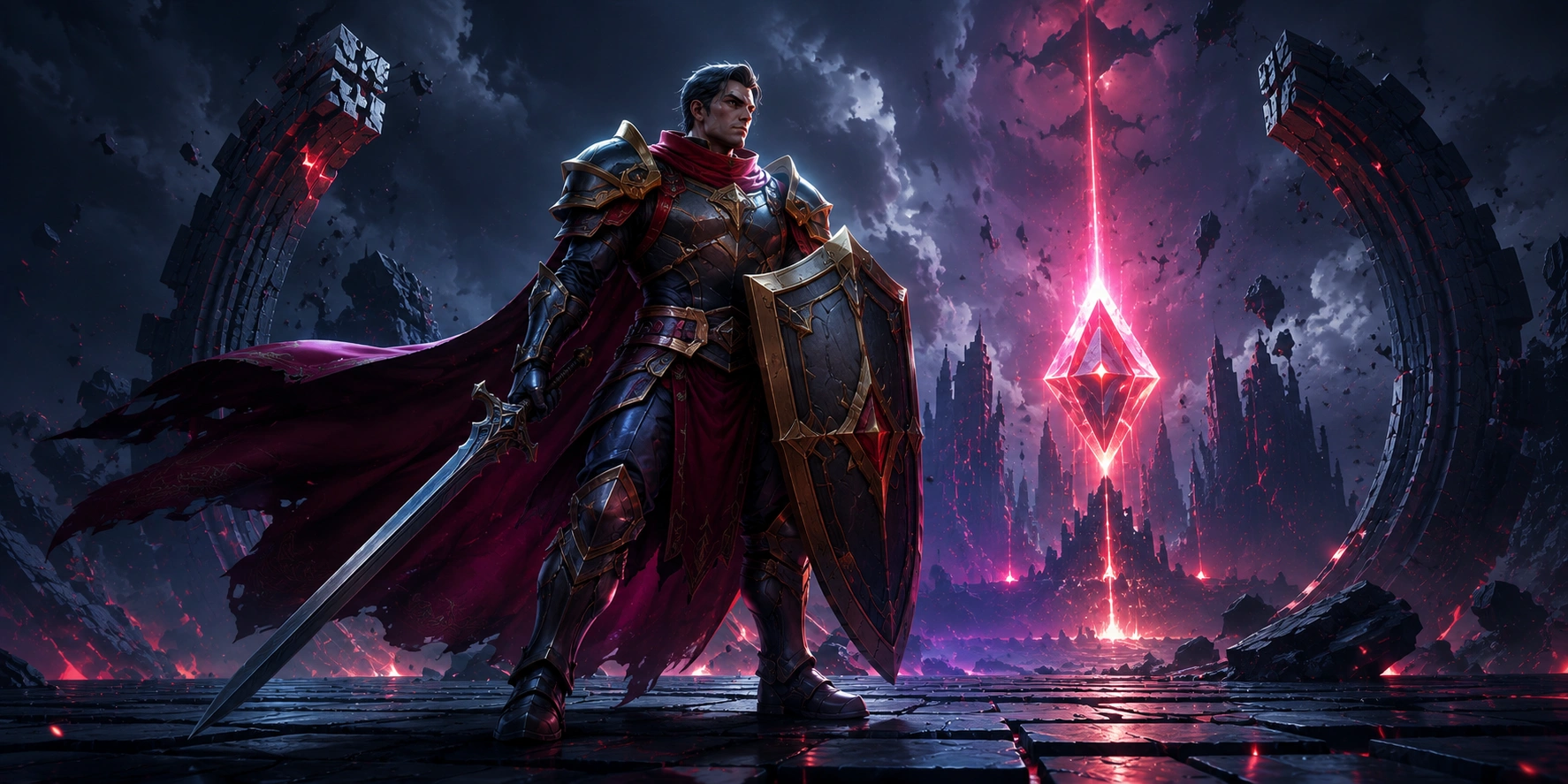
Champions Tactics: Grimoria Chronicles is a competitive turn-based RPG for PC set in the dark fantasy world of Grimoria. Ubisoft describes the game as a mix of classic tabletop strategy and modern turn-based RPG mechanics, where outcomes depend on team composition, understanding character abilities, and tactical decisions during combat.
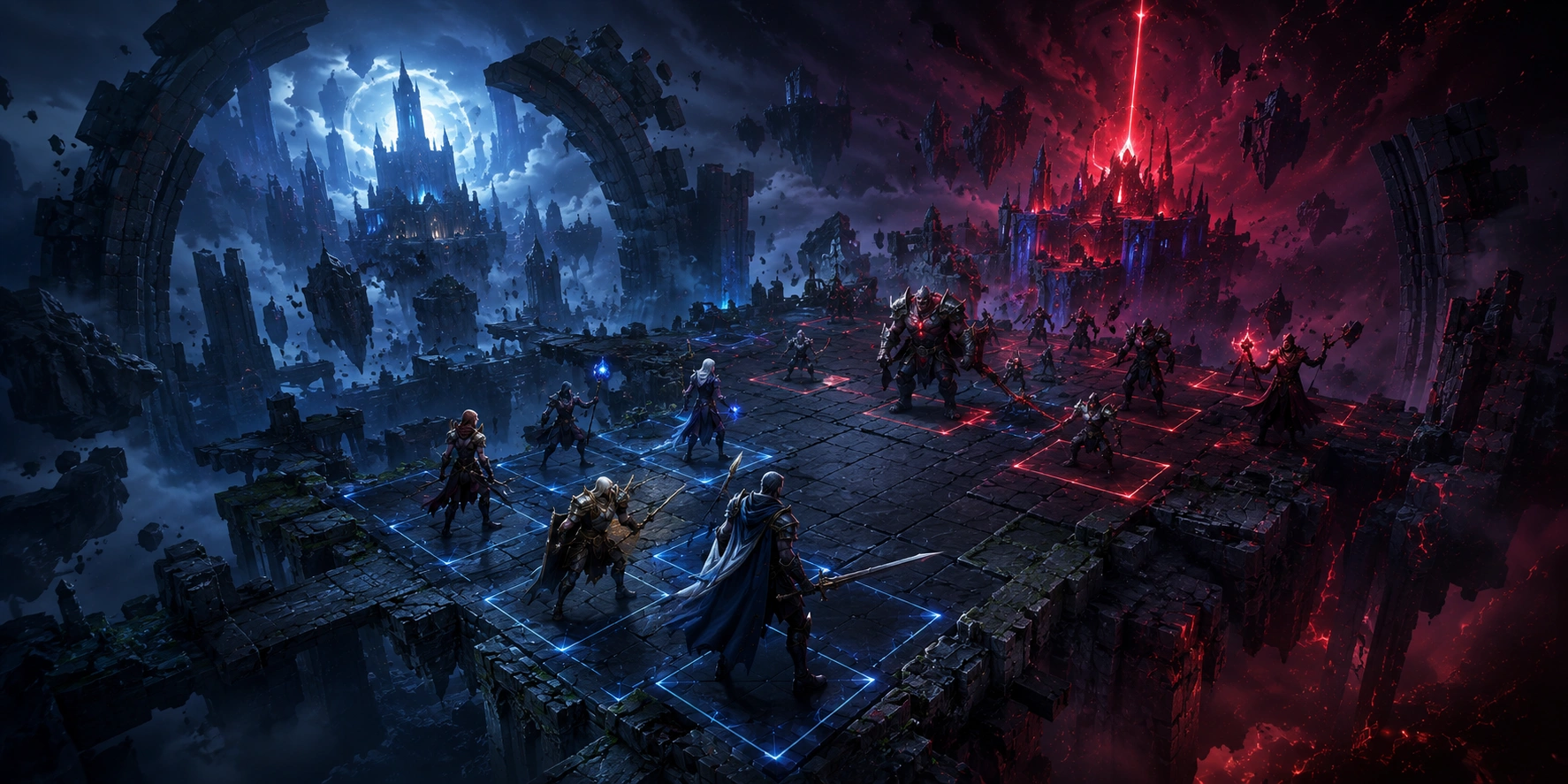
Before each match, players assemble a squad of three Champions. Every character has its own statistics, abilities, and individual traits that determine its role in the team. A major part of the strategy lies not only in finding powerful characters, but also in building combinations that can counter a specific opponent lineup.
During PvP battles, players choose the actions of their Champions, after which selected abilities are resolved according to turn order and the current state of each character. This structure creates short tactical cycles in which players must anticipate possible enemy actions and adjust their strategy at the right moment.
At launch, the project differed from a traditional RPG because Champions existed as digital collectible assets. However, the battle system itself did not require every gameplay action to be executed on-chain. Web3 was used mainly for ownership, issuance, creation, and trading of characters.
2. How NFTs, Oasys, Forge, and the Marketplace Worked
The Web3 infrastructure of Champions Tactics was built on Oasys, a Proof-of-Stake blockchain focused on gaming applications. Therefore, despite Ubisoft’s broader collaboration with Immutable, the digital assets of Champions Tactics were not originally launched on Immutable zkEVM.
Champions were the primary blockchain assets in the game. Ubisoft released 75,000 of these characters through a free mint in the summer of 2024. Each Champion represented a digital game character with its own attributes and could be used in PvP, stored in a wallet, or transferred to another owner.
One of the central Web3 mechanics was Forge. Players could combine two existing Champions to create a new character that inherited traits from the original fighters according to the system’s rules. The number of Forge operations available for each Champion was limited, and creation could require in-game Gold or OAS.
A dedicated Marketplace allowed users to buy and sell Champions between each other. This connected gameplay progression with an external digital asset market, since players could adjust their team composition not only through gameplay but also by acquiring characters from other users.
3. Champions Tactics Compared With Other Web3 Games
Champions Tactics belongs to a generation of blockchain games in which NFTs are used as functional game characters rather than only as cosmetic collectibles. This distinguishes the project from traditional games, where characters remain locked inside a user account and do not exist as independent blockchain assets.
The model also differs from the first wave of Play-to-Earn games. The core of Champions Tactics was competitive turn-based gameplay rather than continuous distribution of a liquid token for basic actions. Players earned Gold, participated in ranked matches and seasonal systems, while NFTs served as a tool for ownership and team building.
| Project | Genre | Web3 Assets | Main Approach |
|---|---|---|---|
| Champions Tactics | Tactical PvP RPG | Champions and Warlords | NFT characters, Forge, and a secondary market |
| Axie Infinity | Collectible strategy game | Axies and gaming tokens | Breeding, battles, and a tokenized economy |
| Gods Unchained | Card strategy game | NFT cards | Ownership and trading of game cards |
| Big Time | Action RPG | NFT items and the BIGTIME token | Game loot and a digital economy |
| Might & Magic: Fates | Card strategy game | Digital collectible elements | Ubisoft project using Immutable infrastructure and services |
A notable feature of Champions Tactics was that it was released directly by a major traditional game publisher. Ubisoft had previously experimented with NFTs through Ubisoft Quartz and Ghost Recon Breakpoint, but Grimoria Chronicles was a standalone game in which digital ownership was built into the economy from the beginning.
At the same time, the project demonstrated how dependent this model can be on supporting infrastructure and the secondary market. When blockchain features are discontinued, developers still need to preserve the ability to use characters inside the game regardless of the status of the NFT network.
4. Champions, Warlords, and the Core Elements of the Game Economy
The game economy was built around Champions, in-game Gold, Forge, and the Warlords collection. Champions directly participated in battles and formed the user’s squad, while Warlords appeared earlier as a separate collection connected with additional features and status within the ecosystem.
Each Champion has its own combination of traits and abilities. Character diversity made it possible to create many different team compositions, while Forge added another mechanism for changing supply by using existing assets to create new Champions with different combinations of characteristics.
- Teams of three Champions for ranked PvP battles.
- 75,000 Champions released through a free mint in 2024.
- Unique character statistics, abilities, and DNA.
- Forge for creating a new Champion from two existing ones.
- Gold as an in-game resource earned through PvP and seasonal activity.
- OAS support for selected Web3 operations.
- Marketplace for secondary trading of digital characters.
- Warlords as a separate collectible category within the ecosystem.
- VIP mechanics linked to collection size and in-game benefits.
The economic model created a direct connection between a user’s collection and their gameplay options. Buying or creating a Champion could change the competitive lineup, so the value of an asset depended not only on rarity but also on its characteristics, the current meta, and demand in the secondary market.
This structure represents both a strength and a controversial aspect of Web3 gaming. Transferable characters give users broader ownership rights, but expensive assets or benefits for large collectors can affect perceptions of competitive balance. Developers therefore have to manage both the game meta and the economy of tradable assets at the same time.
5. Transition Away from Web3 and the Immutable Connection
By 2026, Ubisoft had announced that Champions Tactics was gradually moving away from blockchain functionality because of changes affecting the infrastructure supporting its Web3 components. According to the published transition plan, Forge and the Marketplace were scheduled to close, while the state of user collections would be recorded so that Champions could be transferred directly into game accounts.
This represents a shift from a model in which character ownership is verified by NFTs in a wallet to a more traditional Web2 architecture. Ubisoft also introduced the ability to obtain new Champions with in-game Gold, while seasonal rewards moved toward a structure without Web3 components. As a result, the core PvP gameplay can continue to operate independently of blockchain infrastructure.
The connection with Immutable should be considered separately. Ubisoft does collaborate with Immutable in Web3 gaming, but that partnership does not mean Champions Tactics ran on Immutable. A more direct result of the collaboration was Might & Magic: Fates, launched in February 2026, where Immutable participated in digital ownership infrastructure and user acquisition tools.
The history of Champions Tactics highlights the difference between blockchain as the foundation of a game and blockchain as an additional ownership layer. Tactical battles, rankings, and team building can function without NFTs, while digital ownership requires ongoing support for wallets, trading infrastructure, the underlying network, and a liquid market.
As a result, Champions Tactics remains an important Ubisoft experiment with functional NFTs and a Web3 economy, while also illustrating the industry’s shift toward more cautious blockchain integration. The future of similar games will likely depend on whether digital ownership meaningfully improves the player experience without introducing unnecessary technical complexity for the broader gaming audience.











