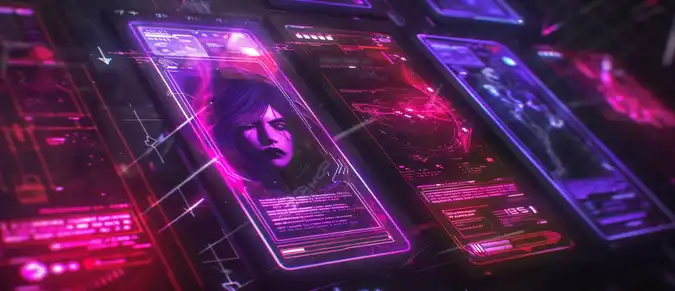

Rumble Arcade is a competitive Web3 game that combines elements of auto-battler, card strategy, and roguelike. The project is developed by Tribo Games and is currently in open alpha testing, available via both browser and mobile devices. With Play & Earn mechanics, an NFT-based economy, trading on the Beam Testnet, and opportunities for community-driven game governance, Rumble Arcade aims to build a vibrant decentralized ecosystem. This article explores the core ...
Contents
- Goals and Structure of Rumble Arcade
- Gameplay: Modes, Mechanics, and Progression
- Economy: NFTs, Tokens, and In-Game Resources
- Beam Testnet and Play & Earn Events
- Conclusion: Challenges and Opportunities
1. Goals and Structure of Rumble Arcade
Rumble Arcade is being developed as a next-generation Web3 platform that merges dynamic gameplay with blockchain technology. At its core is the concept of decentralized growth, where players can not only compete but also help create content, influence governance, and shape the in-game economy. Built-in tools like a map editor and voting mechanics allow the community to directly participate in the evolution of the game world.
Tribo Games positions Rumble Arcade as a game for a wide audience — from Web2 gamers to Web3 enthusiasts. The interface is intuitive, no wallet is required to start, and NFT features are gradually introduced as users engage deeper. The game is designed around the live-ops model: regular events, tournaments, and seasons maintain engagement and variety. Development focuses on long-term economic sustainability, scalability, and compatibility with Beam.
2. Gameplay: Modes, Mechanics, and Progression
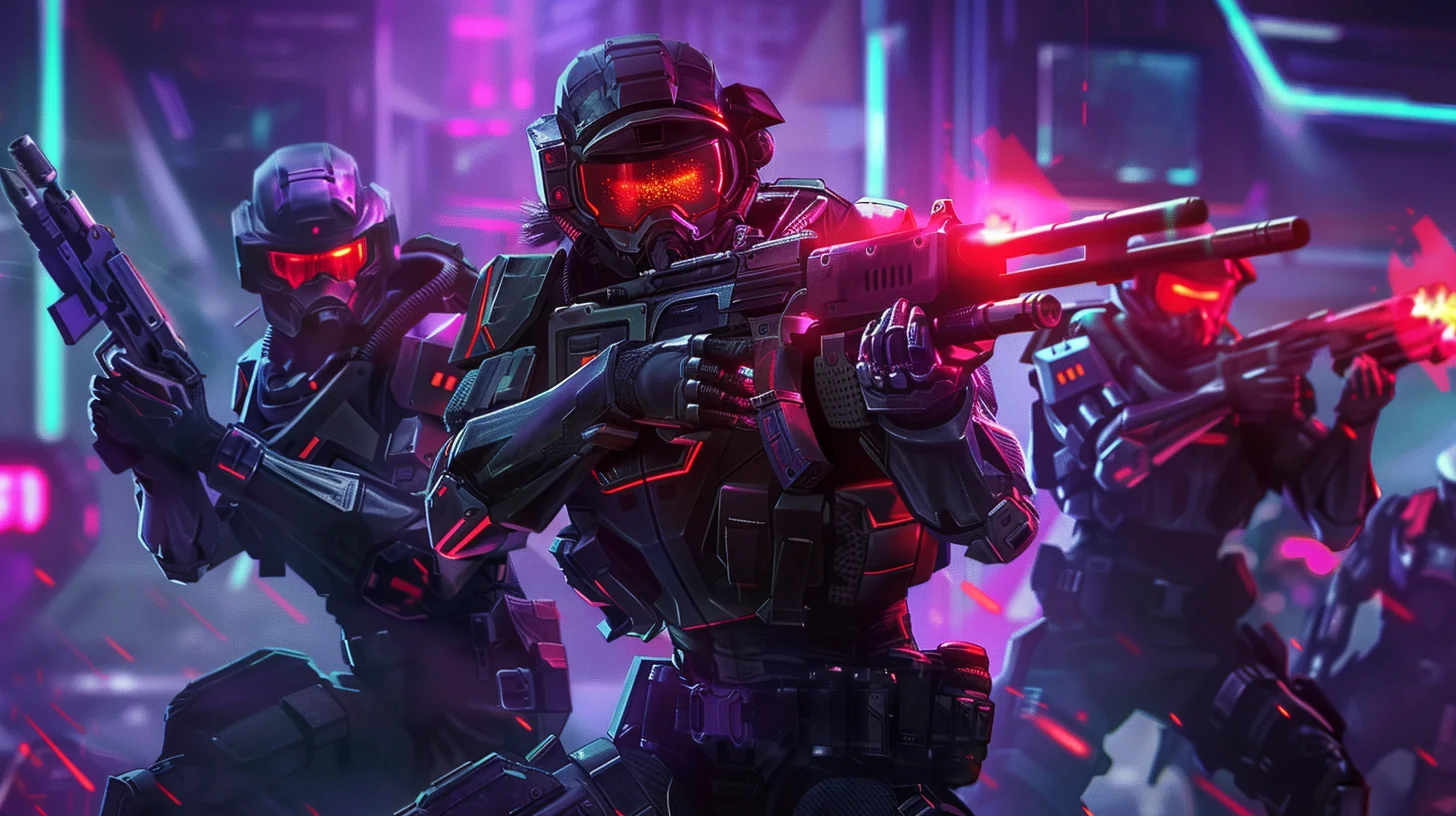
At the heart of Rumble Arcade lies turn-based PvP gameplay, where players assemble squads of NFT characters known as Rumblers. These units come with unique skills, classes, and rarity levels. Battles take place on hexagonal arenas with terrain features and random modifiers. The roguelike element adds unpredictability — each match presents new conditions and strategic challenges.
Progression is based on collecting units, leveling them up, and climbing ranked ladders. Players gain access to new arenas, seasonal rewards, and in-game currencies. The game also supports custom content and social features that allow users to create scenarios and interact. Future updates are set to include co-op modes and team-based tournaments.
- Rumblers: NFT characters with roles, skills, and ranks.
- Roguelike events: Random effects and dynamic battle conditions.
- Leagues and rankings: Competitive systems with seasonal rewards.
- Live tournaments: In-game events supported by the community.
- Customization: Players create and test their own arenas and maps.
This structure enables flexible, adaptive gameplay where both tactical thinking and collecting progress matter. The fusion of traditional mechanics and Web3 innovation makes the project both accessible and original.
3. Economy: NFTs, Tokens, and In-Game Resources
Rumble Arcade's economy revolves around NFT units and several core resources, some of which are already functional on the Beam Testnet. A native token is planned for future activation to provide meaningful incentives to players, traders, and content creators.
| Asset | Function |
|---|---|
| Rumblers | Core NFT units used in PvP battles |
| Shards | Off-chain resource used to upgrade basic units |
| Super Rumblers | Advanced NFTs tradable on the Beam network |
| Gold Credits | Tickets used to enter events and tournaments |
| $RAT | Test token used within the Beam Testnet environment |
In the current alpha version, Super Rumblers can already be traded, duplicates burned, and units fused via smart contracts. Future updates aim to introduce DAO voting, NFT renting, and token-based in-game quests for deeper engagement.
4. Beam Testnet and Play & Earn Events
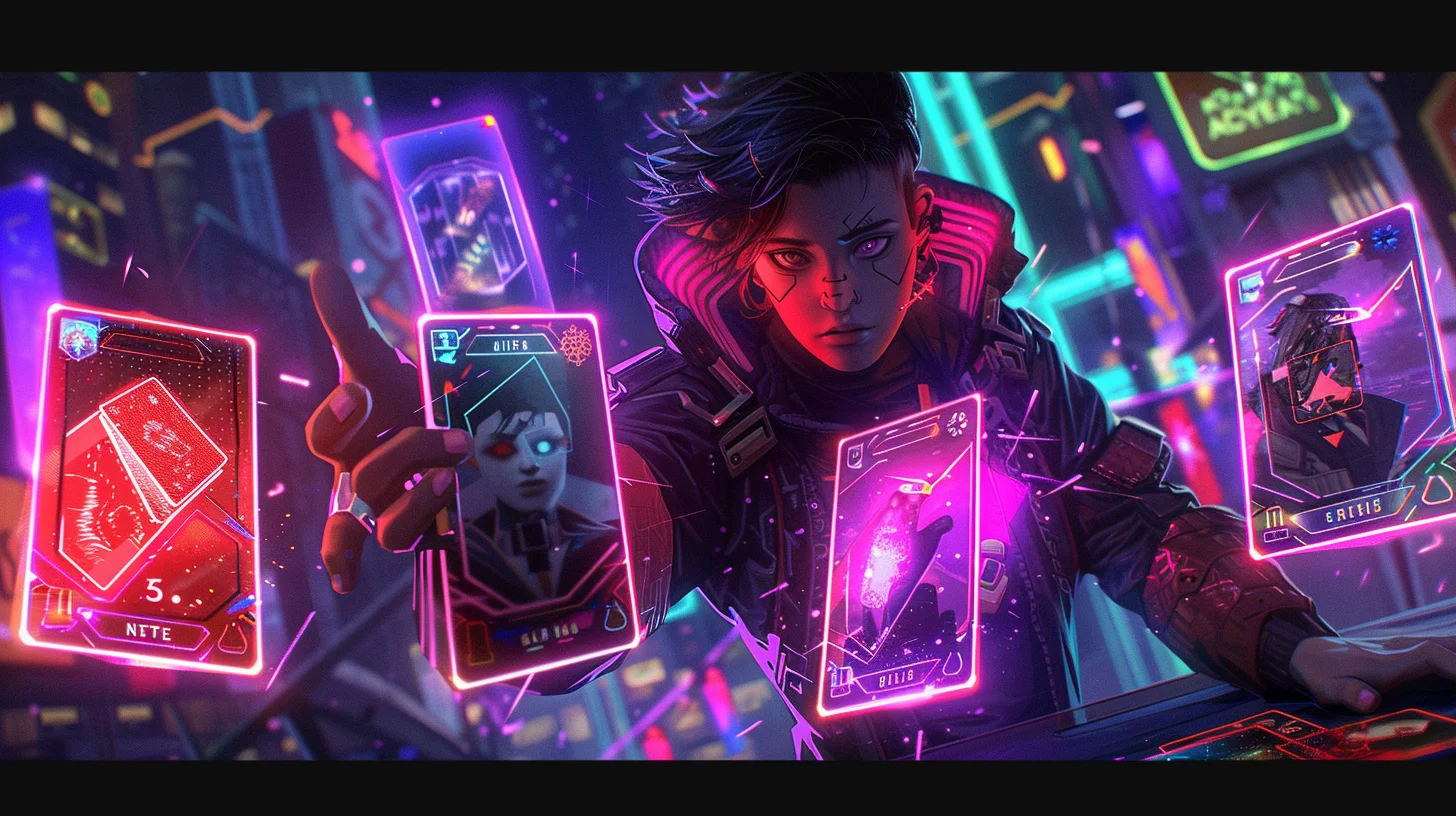
The integration with Beam Testnet provides a safe environment to test all blockchain-related features of Rumble Arcade. Players can trade Super Rumblers, use the $RAT token, participate in Payday events, and compete in ranked challenges. Although rewards are currently non-monetary, they reflect the planned structure of the Mainnet economy.
Participants earn Gold Credits by winning battles, staying active, and inviting new players. These credits can be used to enter events with real rewards. Additionally, Rumble Arcade introduces a Decentralized Live Ops format — tournaments organized by the community, where hosts set rules and distribute rewards.
Beam serves as both the technical foundation and the entry point into the Merit Circle ecosystem. In the future, players will be able to withdraw earnings, vote in DAOs, form in-game clans, and unlock role-based benefits.
5. Conclusion: Challenges and Opportunities
Rumble Arcade is rapidly evolving into one of the most flexible and ambitious Web3 gaming projects. Its combination of accessible gameplay, innovative NFT mechanics, and Beam integration positions it as a standout initiative in the GameFi space.
Key challenges include building a sustainable economy, maintaining player engagement in a competitive market, and ensuring a continuous stream of content. Nonetheless, the team’s willingness to innovate, strong community involvement, and visual polish give the project significant long-term potential.
If the team stays committed to transparency and innovation, Rumble Arcade could evolve beyond a game into a fully decentralized platform where players own and govern the experience. We'll be watching its progress closely.











