
Domi Online is a medieval fantasy MMORPG focused on long-term character development, challenging PvE and PvP mechanics, and an economy built around digital game assets. The project stands out for having no fixed level cap or skill limit: a character’s strength depends directly on the time invested in progression, equipment, and exploration of the game world. Domi was historically developed as a blockchain MMORPG featuring the DOMI token and NFTs, while its Web3 infrastructure has been associated with the Avalanche ecosystem and the Beam gaming network. However, the project’s current positioning places greater emphasis on traditional MMO gameplay, demanding progression, and meaningful death mechanics, with blockchain serving as an additional economic layer.
Contents
- What Is Domi Online and How the MMORPG Works
- Domi Online Gameplay: Progression, PvE, PvP and Open World
- Domi Online Economy: DOMI Token, NFTs and Digital Items
- Web3 Integration and Avalanche Infrastructure
- Domi Online Development and the Future of Blockchain MMORPGs
1. What Is Domi Online and How the MMORPG Works
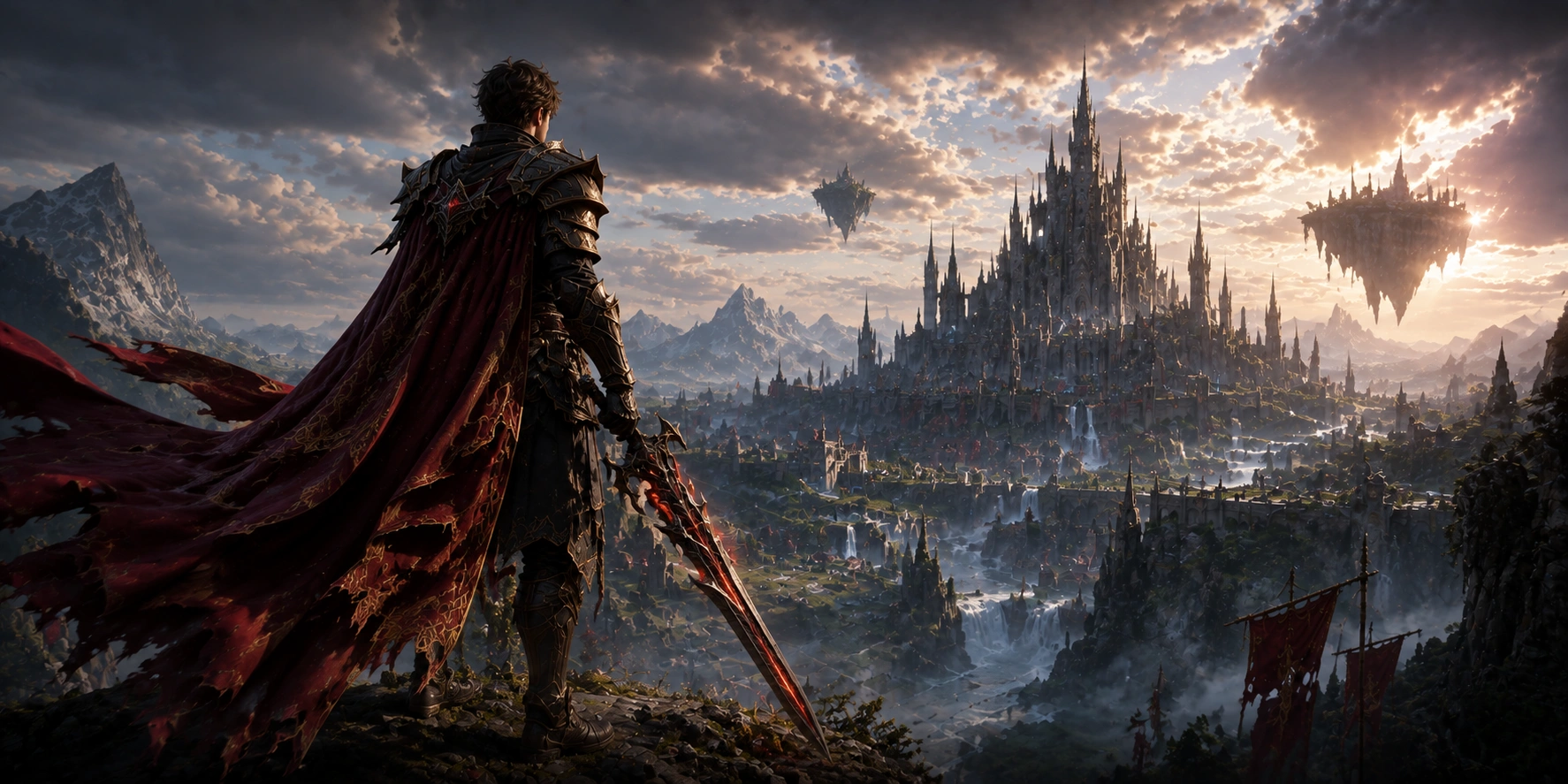
Domi Online is a 3D MMORPG set in an open medieval world where players develop characters, explore different regions, complete quests, fight creatures, and interact with other users. Visually and structurally, the project follows the traditions of classic PC MMORPGs, while the developers have repeatedly cited older games with long-term character progression as important sources of inspiration.
One of Domi Online’s defining features is the absence of a traditional level cap. Character levels and skills are not restricted by a fixed maximum, allowing players to continue developing their attributes over extended periods. This model differs from many modern MMOs, where reaching the maximum level shifts most progression toward seasonal content or equipment upgrades.
The game also limits some of the shortcuts commonly found in contemporary MMORPGs. The developers emphasize world exploration, travel, and preparation for difficult encounters rather than instant movement between major activities. As a result, distance, resources, and route selection become meaningful parts of the gameplay.
The death system also plays an important role. Defeat in Domi is designed to have meaningful consequences for a character and their position in the world, encouraging players to evaluate enemy difficulty and potential risks before entering combat. This structure is primarily aimed at players who prefer long-term and more demanding MMORPG progression.
2. Domi Online Gameplay: Progression, PvE, PvP and Open World
The core gameplay loop revolves around developing combat and supporting skills. Damage, health, magic effectiveness, and other attributes depend on character progression and equipped items. Because progression is not restricted by a fixed maximum level, players can gradually develop characters with significantly different levels of power.
PvE gameplay includes exploring forests, deserts, ruins, caves, islands, and other areas. The world contains both regular enemies and more dangerous creatures that may reward players with rare items and resources. Preparation for difficult expeditions is particularly important: for example, slow mana regeneration limits the ability to continuously use the most powerful abilities.
PvP complements the long-term progression system. Differences in character development affect the balance of power between players, while stronger participants can build a reputation through battles and rankings. This model resembles older sandbox MMORPGs more closely than games that heavily normalize character statistics between competitors.
The economic layer is closely connected to item acquisition. Rare weapons and equipment can be valuable not only because of their character bonuses but also because of their role in the player-driven market. Under Domi’s Web3 model, selected rare items can be linked to digital assets, combining traditional loot-driven gameplay with verifiable digital ownership.
3. Domi Online Economy: DOMI Token, NFTs and Digital Items
The DOMI token was created as a utility asset for the Domi Online ecosystem. The original model envisioned its use for in-game economic operations, rewards, staking mechanisms, and interactions with digital items. DOMI entered the cryptocurrency market before the MMORPG reached its full release, meaning that the token’s market history has developed separately from activity within the game itself.
NFTs and digital game items are another important part of the Web3 concept. The idea is that selected rare assets can have blockchain-based representations connected to a player’s account. This makes it possible to verify ownership and potentially use these assets within the project’s trading infrastructure.
| Component | Purpose | Role in Domi Online |
|---|---|---|
| DOMI | Utility token | Economic operations, Web3 mechanics and related services |
| NFT Items | Digital game assets | Representation of selected rare items and equipment |
| Character Progression | Character development | Skills and levels without a fixed maximum cap |
| Loot | In-game rewards | Weapons, equipment and resources obtained through gameplay |
| Player Economy | User-driven market | Exchange of valuable game items between participants |
| Beam / Avalanche | Web3 infrastructure | Blockchain layer associated with the ecosystem’s digital assets |
This approach differs from models in which NFTs are sold primarily as initial assets before the game launches. Domi connects economic value more closely to long-term gameplay, resource acquisition, and the discovery of rare equipment. The more difficult the content and the lower the probability of obtaining a particular item, the more significant its potential role can become within the player economy.
However, neither NFTs nor DOMI should be considered a source of guaranteed income. The value of digital assets depends on demand, the number of active users, item utility, liquidity, and broader cryptocurrency market conditions. Developers may also adjust equipment balance and economic parameters as the MMORPG evolves.
4. Web3 Integration and Avalanche Infrastructure
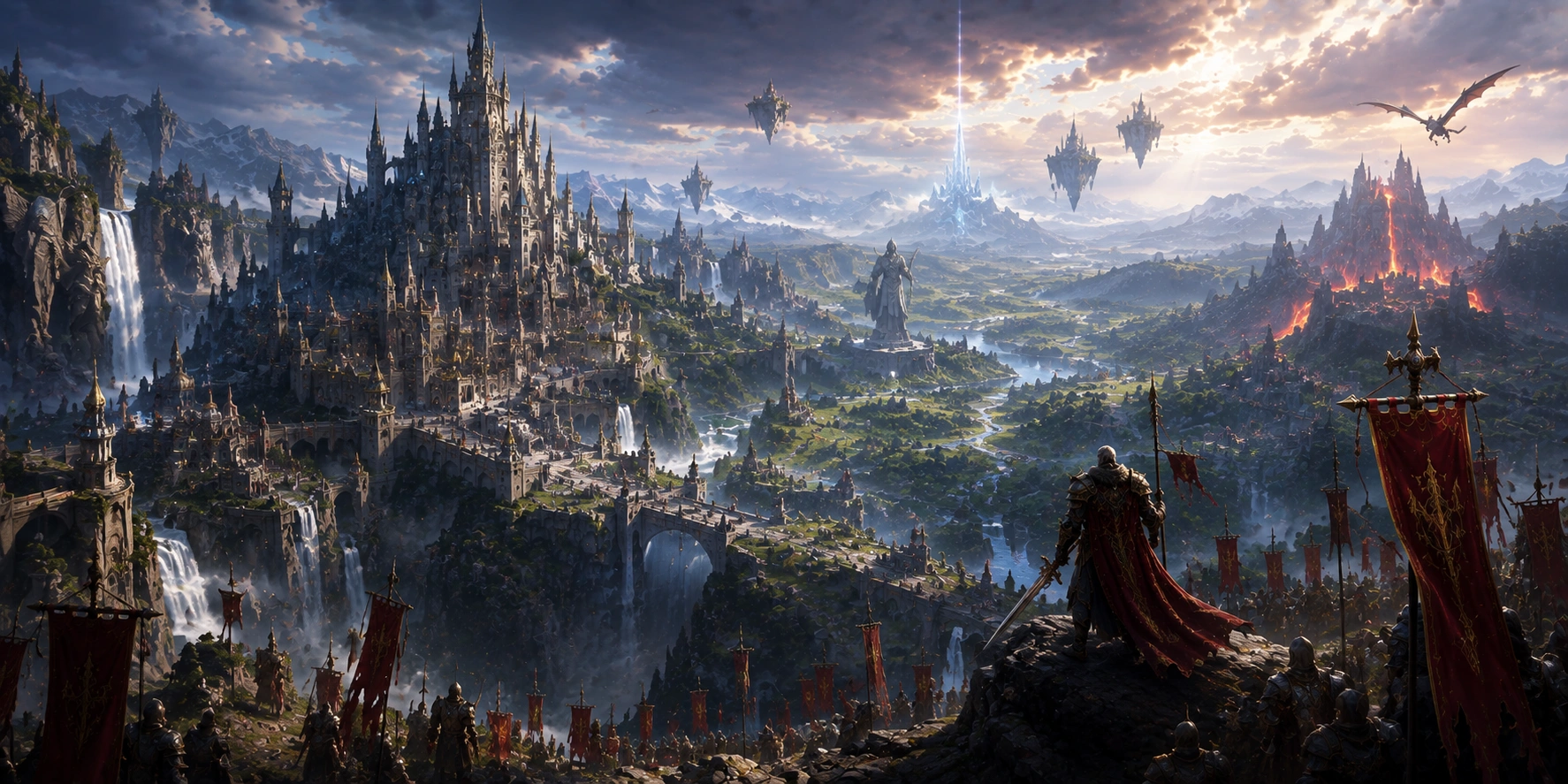
Domi Online has historically been associated with Avalanche, although the project’s technical model has evolved alongside broader changes in gaming blockchain infrastructure. One relevant component is Beam, a specialized gaming network created by Merit Circle and originally launched as an Avalanche Subnet. Avalanche later renamed this category of application-specific networks as Avalanche Layer 1s.
Dedicated gaming infrastructure makes it possible to separate game-related blockchain operations from activity on a primary network while configuring the environment for applications with large numbers of users. This can be particularly relevant for MMORPGs, where the economy may involve substantial numbers of items, transfers, and transactions between participants.
Key Features of Domi Online:
- 3D MMORPG set in a medieval fantasy world;
- no fixed maximum character level;
- no predefined cap on skill progression;
- meaningful consequences for character death;
- an open world with multiple biomes and dangerous regions;
- PvE and PvP as interconnected parts of progression;
- rare weapons, equipment and resources obtained through gameplay;
- DOMI token for the Web3 economy;
- NFT model for selected game assets;
- historical integration with gaming infrastructure connected to Avalanche and Beam.
It is important to distinguish the blockchain architecture from the gameplay itself. Defeating enemies, moving characters, calculating damage, and most other MMORPG actions do not require every event to be recorded on a public ledger. DLT is primarily used where digital ownership needs to be verified or where users interact with economic assets.
This hybrid approach allows the game to retain the performance of conventional server infrastructure while adding on-chain accounting for selected assets. However, it also introduces additional risks: users depend not only on the game’s servers but also on smart contracts, wallets, liquidity conditions, and the rules governing digital asset transfers.
5. Domi Online Development and the Future of Blockchain MMORPGs
Domi Online belongs to a generation of projects that began development during the first major wave of Play-to-Earn and NFT gaming but gradually shifted their focus toward traditional game design. Early materials frequently described Domi as a Play-to-Earn MMORPG, while the project’s more recent positioning emphasizes the absence of a level cap, demanding progression, meaningful death mechanics, and long-term character development.
This shift reflects a broader trend in Web3 gaming. MMORPGs face particular challenges when attempting to build sustainable economies entirely around token rewards for player activity, as continuous reward emissions can create selling pressure on digital assets. Connecting the economy to rare items and organic in-game demand can potentially align more closely with the traditional structure of an MMO.
As of August 2026, Domi Online remains under active development, while the project has described 2026 as beginning with challenges followed by renewed activity. At the same time, older descriptions on cryptocurrency aggregators still largely reflect the project’s earlier Play-to-Earn concept, so these materials should be distinguished from Domi Online’s current positioning.
Domi Online represents an attempt to combine the long-term progression model of a traditional MMORPG with digital ownership. The absence of a level cap, demanding progression, and meaningful consequences for death make the core game design independent of blockchain technology, while DOMI, NFTs, and Avalanche-related infrastructure form an additional economic layer. The project’s long-term prospects will depend primarily on the quality of its MMO content, server stability, the size and retention of its active community, and whether its digital item economy can develop without making financial incentives the main reason to participate.











