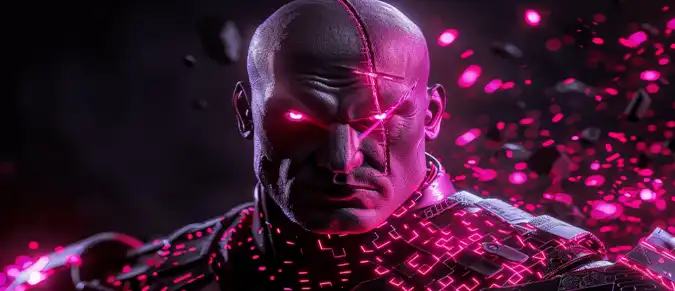

Eldarune Arena is a Web3 game that combines dynamic PvP battles, an NFT character system, and a well-designed economy. The project focuses on gameplay rather than just earning, which sets it apart from many early blockchain games. Players not only gain access to matches but also control digital assets that hold value both inside and outside the game. As a result, Eldarune Arena builds a more sustainable model that connects gameplay with blockchain technology.
Contents:
- Concept and development of Eldarune Arena
- Gameplay and core mechanics
- Economy and Eldarune Arena tokens
- NFTs and in-game assets
- Project advantages and future potential
1. Concept and development of Eldarune Arena
Eldarune Arena is being developed as part of a broader ecosystem that combines multiple gaming products and services. The core idea of the project is to give players full ownership of in-game assets through blockchain technology. Unlike traditional games, where items belong to the developer, users here own their characters and resources.
Initially, the concept focused on creating a multiplayer PvP experience, but over time the developers began expanding its functionality. New game modes, in-game events, and interaction mechanics are continuously introduced, making the project more flexible and adaptable to market changes.
Special attention is given to integrating Web3 features without complicating the user experience. Players can interact with blockchain elements without needing deep technical knowledge. This reduces the entry barrier and makes the game accessible to a wider audience.
As a result, Eldarune Arena aims to merge traditional gaming with digital ownership, creating a foundation for long-term growth. Understanding this concept helps better grasp the mechanics described in the next section.
2. Gameplay and core mechanics
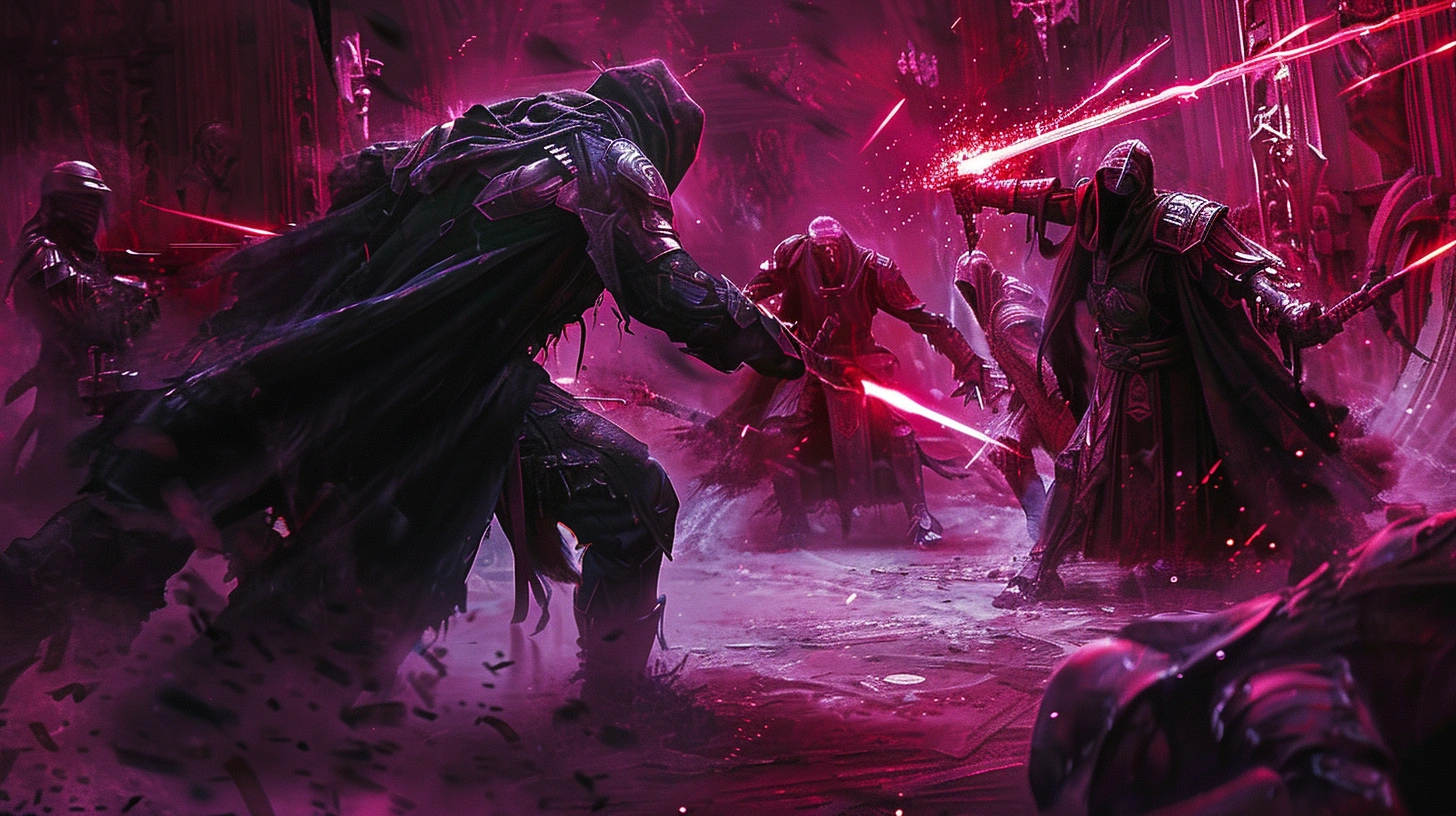
The gameplay of Eldarune Arena revolves around PvP battles, where strategy, quick decision-making, and team composition are essential. Each match requires analyzing the situation and adapting to the opponent’s actions. This makes the game more complex compared to simple arcade-style experiences.
Characters have unique abilities that can be combined in different ways. Players build their teams based on preferred strategies. Some heroes are suited for offense, while others excel in defense or support roles. This variety allows for multiple tactical approaches.
- real-time competitive PvP battles;
- unique abilities for each character;
- team-based strategies and hero synergy;
- character progression and skill upgrades;
- regular tournaments and in-game events.
The progression system adds additional depth. Characters can be upgraded, unlock new abilities, and improve combat performance. Success depends not only on upgrades but also on how effectively resources are used.
The game also emphasizes balance, allowing new players to compete with experienced ones if they apply the right strategies. This approach keeps the gameplay engaging and sustainable over time.
3. Economy and Eldarune Arena tokens
The economic model of Eldarune Arena is based on a combination of a blockchain token and in-game resources. This separation allows the project to balance gameplay and financial elements, creating a more stable system. The main token, ELDA, serves as the core of the ecosystem.
The token is used for rewards, asset purchases, and participation in various project features. At the same time, in-game currencies provide flexibility and help maintain balance. This reduces the impact of market volatility on gameplay.
| Token | Type | Function |
|---|---|---|
| ELDA | Blockchain | Rewards, purchases, ecosystem participation |
| Gold | In-game | Character upgrades and basic actions |
| Energy | Game resource | Limits activity and enables match participation |
The use of multiple resource types prevents economic overload. In-game currencies support daily activity, while the main token connects the project to blockchain infrastructure. Reward systems for tournaments and events further encourage player engagement and community growth.
4. NFTs and in-game assets
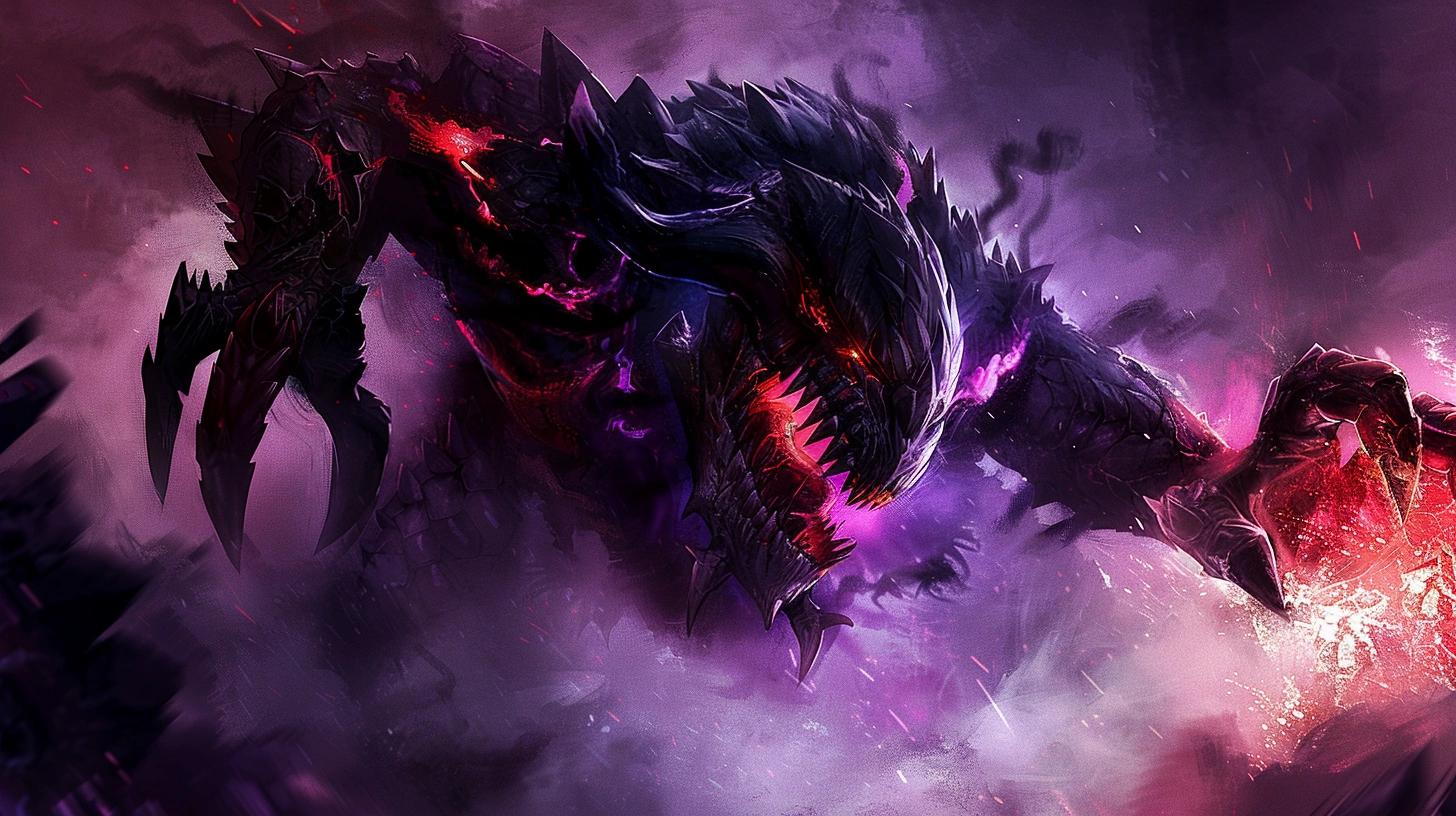
NFTs play a key role in Eldarune Arena. Characters, equipment, and various items are represented as tokens, allowing players to truly own them. This creates a new model of interaction between users and the game.
Each NFT has unique attributes that directly impact gameplay. These may include power level, rarity, or additional abilities. As a result, an asset’s value is determined not only by appearance but also by its practical utility.
Integrating NFTs into gameplay makes them part of strategic decision-making. Players must consider their assets when building teams, adding depth and variety to matches. NFTs can also be traded outside the game on marketplaces, expanding their usability and forming a secondary economy.
5. Project advantages and future potential
Eldarune Arena stands out due to its combination of dynamic gameplay and blockchain integration. The project offers not only entertainment but also digital ownership, making it appealing to both gamers and Web3 users.
Its strengths include strategic depth, competitive PvP modes, and a flexible economic system. These elements create a solid foundation for long-term development. At the same time, the project aims to build an ecosystem rather than rely on a single product.
However, challenges remain. The Web3 gaming market is still volatile, and retaining players requires continuous content updates. Maintaining a balanced economy is also critical for long-term success.
In conclusion, Eldarune Arena can be seen as a promising example of blockchain gaming evolution. If developers manage to maintain balance between gameplay and economics, the project has strong potential to secure its place in the market.











